


Gansu flat chilli cultivation technology and prospects
Han su-jin
As a major agricultural power in the world, my country has a rich and long-standing character in the production and cultivation of crops. Precipitous peppers are a spice that is common in people's lives and more widely distributed, producing greater economic benefits in their planting and nurturing and marketing. Therefore, the improvement and optimization of the efficient cultivation and cultivation of peppers can increase the returns of farmers on the cultivation of peppers, contribute to the development of our rural economy and provide new methods and pathways for the modernization and urbanization of our rural areas。
1 overview of pepper cultivation techniques
In my country, peppers are not just a plant, but also a cash crop. They are part of the aroma, and they are small leaves. In the specific agricultural production and economic operations, mainly through the processing and development of crop fruits to achieve their economic value, the increase in the economic value of peppers requires not only consideration of the growth of single peppers but also the optimization of the production of peppers in an area. In addition, when the peppers mature, they are more difficult to harvest because of their uneven distribution. For this reason, the management of labour during the harvesting process is also a technology that needs to be optimized in the production of modern peppers。
2. Exploration of pepper cultivation techniques
2. 1 seed growth and seeding
In the process of pepper cultivation, the planting time is usually concentrated in spring and autumn, and the spring area needs to be kept under control. The planting of seedlings has had a better effect when they were first born, while the planting of autumn trees is generally appropriate around the national day。
2. 2 embedding environmental management
There is a need to strengthen the management of hydro-fertilizers in the pre-breeding process, to water the pre-breeding area around 5d, and to conduct seedling operations for the pre-drying area, with a focus on the protection of the roots of the tree and the promotion of its integrity。
2. 3 seeding
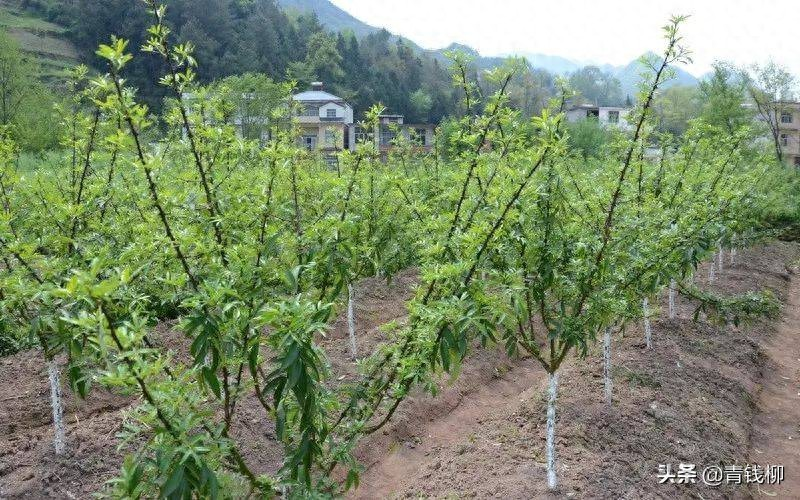
The control of plant density in the process of pepper cultivation is also important, and scientifically sound plant distribution allows the nutrients of the park's soil to be fully utilized by the pepper plant and maximizes the production of pepper per unit area and optimizes the management system for the cultivation of pepper. During seeding operations, soil conditions in the actual plantation areas need to be analysed and studied to determine the density of cultivation。
2. 4 cultivation
Prior to planting, pits for planting and treatment of seedlings of peppers need to be dug in gardens where they are grown. First, the broken root branch of the paprika tree is to be removed, and second, the fertilizer is to be put into a dug pit and planted, with the upper layer filled with softer surface soils. In practice, it would be desirable to ensure that the tree seedlings achieve a slightly higher root than the surface of the ground after planting and are essentially in a straight-line state。
3 sterilization and management of water fertilization
The scientifically sound management of the water fertilizer condition of the peppers during the cultivation of the peppers is a key to increasing the production of the peppers and preventing their multi-prevalence pests. Prior to management of water fertilizers, there is a need for scientific and effective management of the condition of the soil, which focuses mainly on the control of soil thickness and the preservation of soil nutrients, which can significantly improve soil quality by appropriately optimizing the thickness of the soil's living layer. The main method of raising soil trophic levels is fertilization of the soil, which requires an analysis not only of the actual state of the land but also of the actual nutrient needs of the flowers, taking into account local climatic conditions and the growth of the pepper tree. In addition, the application of fertilizers should be consistent with the growth of the paprika tree, which in practice is used on a large scale in the production and cultivation of agricultural peppers, which are often based on soil fertilizers, urea, boron and plant hormonals, and more in soil fertilizers, such as recombinant and organic fertilizers, which have a good effect on the management of pests。
For the management of the water of the ground, care needs to be taken to ensure the water supply of the tree, but overwatering also leads to a certain difference between the growth and ideal state of the tree, since the level of water resources available under the natural conditions available to the environment during its growth varies from one region to another, so that water management needs to be combined with local realities, water drainage and irrigation systems in the field of the ground is designed in a rational manner, and, to the extent possible, the management needs of the tree for water resources are taken into account in the process of cultivation, and attention needs to be paid to drainage during the high precipitation season to prevent adverse effects on the growth of the tree. In addition, drainage and water storage and irrigation systems can be optimized in the design of the ground garden, enabling the plant water supply facilities to achieve more efficient and effective precipitous management of the tree and to improve the operational ease of the management of the tree。
4 pest and pest technology
4. 1 pyramids
The prairie ox is black, has yellow hair on its whole body, which reproduces over a period of two years, and is active in a weathered planting environment as the larvae gets warmer in winter; the adult larvae eats the leaves of the pelican, while the larvae survives by biteing on the side of the bark and spills out the slime, also known as “fruit oil”. The main methods of prevention are the removal of insect eggs to reduce the survival rate of larvae, or the capture and eradication of insect adult pests in clear weather, which is active in the summer. In addition, biological control, with the development of biological pest control techniques in the country, will not only reduce the human cost of pest eradication, but will also achieve more sustainable pest eradication, with some positive effects on the protection of local ecosystems. For the pyramids, whose natural enemy is a hard-skin swollen leg bee and which can achieve good insecticidal effects by planting them on a plant, the insecticidal method based on this insecticidal approach has become more widely used in agricultural production and has had the desired practical effect, providing new lines of thought and research for the development of techniques to combat crop diseases and pests in our country。
4. 2 pepper shellworms
The precipitous larvae have a unique adsorbent in the body, capable of sucking out the juice from the plant, loss of plant nutrients, signs of long decay and yellow leaves, and, if not addressed in a timely manner, death of the plant. This pest is relatively small in size and has a faster rate of reproduction, usually a year of reproduction of one generation or more, and therefore needs to focus on prevention in the process of pepper cultivation. Because the surface of the shellworms has a relatively hard-temperature protective shell, there has been little success in pest control by spraying the pests, which can be prevented and eliminated only during the larvae period. In addition, larvae eggs and female insects can be used in winter or spring to reduce the number of larvae pests in the herb tree. In biological control methods, species such as natural enemies of the shellworms, such as parasitic bees, can be used to combat the paprika shellfish pests。
4. 3 precipice rusty
Precipital rust is a precipitous precipitous disease that occurs in the area of the precipice leaf, and the early fallout of the precipice tree following the infection is extremely detrimental to the second year of pepper production. In the early stages of the infection, the paprika tree manifests itself as a drip-like spot on the surface of the leaves, with a green spot colour, as well as a pickle outside the leaves corresponding to the spot, which is produced by the infection of the paprika streptomosis for the pepper plant, most often on the paprika plant, which is closely related to local climatic characteristics and the geographical environment in which the paprika tree is grown. Particularly in areas with large precipitation, which are more suitable for the growth and reproduction of precipitous carcass, there is a marked increase in the risk of the infection of the plant with the plant, and there are a wide range of measures to combat it. The spraying of bordeaux is a more frequent method of combating the disease through the application of a percentage of the medication to the strains not infected by the disease, which is usually carried out in june-july each year. Because of the vulnerability to malnutrition in the paprika tree following infection with this disease, it is necessary to strengthen the management of water fattening, weeding and cutting in the cultivation of the paprika plant in order to avoid loss of its nutrients. In addition, the basic response to this disease is greater research and development, from which researchers can study excellent varieties of peppers that are resistant to rust and improve the growth and resistance of the flowers, thereby increasing the production of peppers and streamlining the cultivation of farmers。
4. 4 fluid disease
Fluctuation is due to the infection of fungi by the pepper plant, the rapid death and decomposition of the infected pepper plant, which is extremely contagious and destructive, and the death of the branch in a very short period of time, the yellowing of leaves and poor growth. The basic preventive measures against this disease are the upgrading of the quality of disinfection protection in the areas where the paprika trees are grown, the upgrading of the level of disinfection measures and disinfection in the gardens, more frequent disinfection of the gardens and adequate attention to clean-up, thorough burial and destruction of sick leaves and spraying of disinfectants during winter. In addition, during the prevention phase, the application of organic fertilizers can to some extent avoid the occurrence of precipitous tree diseases. If there were signs of a disease in the pepper plant, it would need to be protected from timely spraying of the agent, which would prevent further deterioration of the situation with regard to the fluids already present in the plant. At the same time, rational fertilisation and weed removal can improve the growth of the flowers and thus increase their resistance to disease and pests, not only to prevent the infection of the plants, but also to increase their growth and production. There is a strong link between paprietate adhesion and pests such as paprika oxen, and in practice not only the prevention of diseases but also the prevention and decontamination of pests are necessary elements of cultivation。
5 concluding remarks
In the light of the foregoing, in order to promote the country's agricultural economy, research into the cultivation of peppers can significantly boost the revenues from the production of peppers and advance the process of economic development and modernization in our rural areas。
The results of the year were planted on the ground without a stingy sprouts of peppers



