After late april and throughout may, the technical team of the pepper industry took 40 days to communicate and discuss the current situation of the pepper industry, plant management, processing and marketing with local governments, the yunnan precipitous areas. The main issues and technical points for the management of the green pepper cultivation along the north-east, south-east and yunnan routes are shared, as follows:
I. Cultivation density
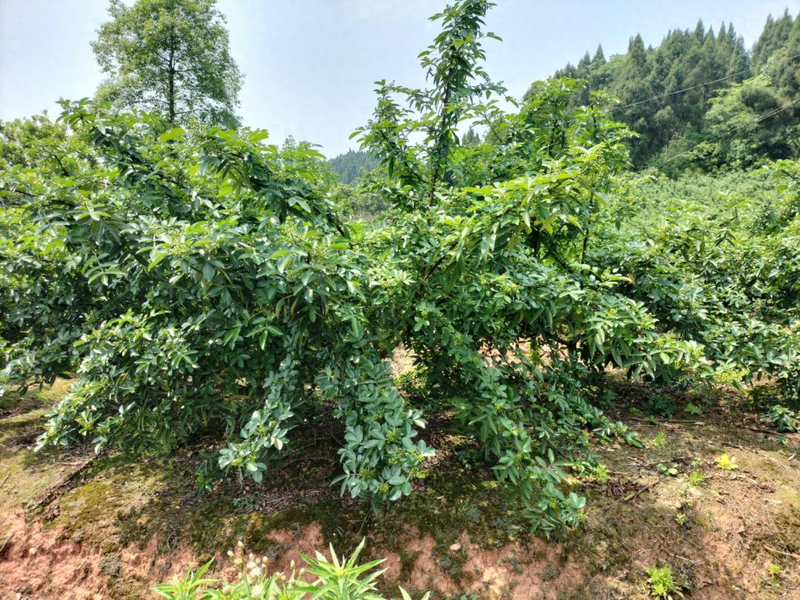
Problems: too small a distance leads to overlapping branches of the paprika tree, affecting ventilation and light conditions, resulting in inefficient flowering and infestation; and too long a branch leads to poor tree formation。
Solutions: for vine peppers, planting density is recommended at 3 m*3m, retrenching one branch each year, managing nutrients, rationally retaining branches, and matching 10 branches per 1 cm dry diameter. For piping, the plant density is recommended at 3 m*3m. Yunnan green peppers are suitable for tree formation and planting density is recommended at 4m*4m or 4m*5m。
Ii. Fold
Problem: some paprika fields are too late or too long because of human problems, resulting in high temperatures, loss of water, severe burning of trees, weakening and even death。
Solution: vegetable peppers should be finished by july 20th, nine-leaf green peppers should be finished by june 30th and fruit fertilisers should be applied from 5 to 7 days. An appropriate retrenchment of a branch, the number of which is reasonable, can slow the occurrence of the side-sprouts. The next round is too late to be too heavy and the branch's sprouting can be blocked to reduce the number of hanging fruit in the coming year, and the following branches are not sufficient in number, resulting in overnourishment resulting in booming and lumbering. In addition, to avoid the effects of the high temperature weather on the tree, we can whiteen the trunks, keep the benign weeds between the pelicans to reduce the humidity of the pelicans, reduce the evaporation of water, protect the pelican trees and wait until the fall (before and after the mid-autumn). Weeding twice a year, around april and around september。
Iii. Motion
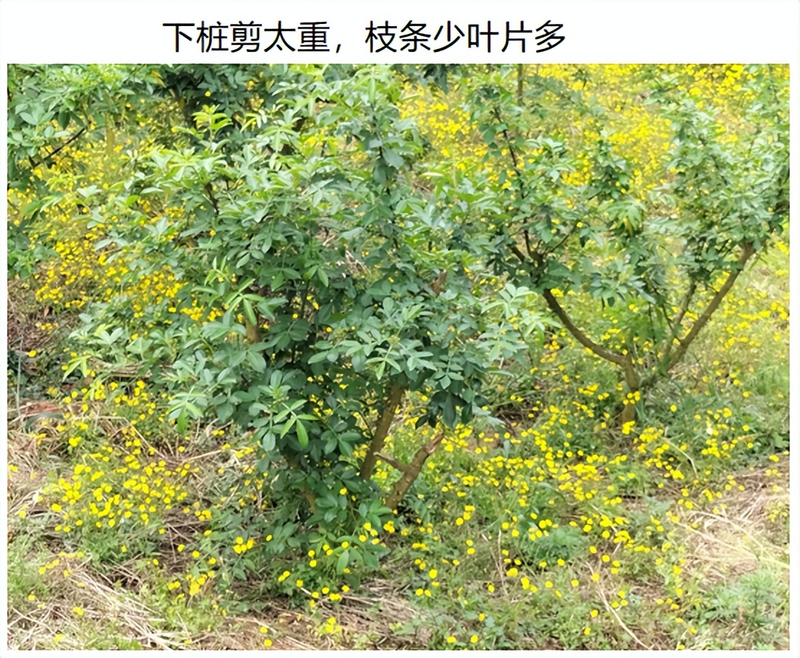
Problem: the lack of cutting technology is one of the most common and serious problems in the precipitating areas, and the long, excessive and small size of the branches are the direct cause of the difficulty in improving the form, quality and yield of the precipitous trees. It is true, however, that the precipitating of the pepper tree takes into account a variety of factors, with different long-term cutting techniques and degrees. Over-heavy cuttings have resulted in fewer branches but many side branches, short cutts or constant sharpness, which have led to weak ears, unreasonable openings, and long branches of influence management。
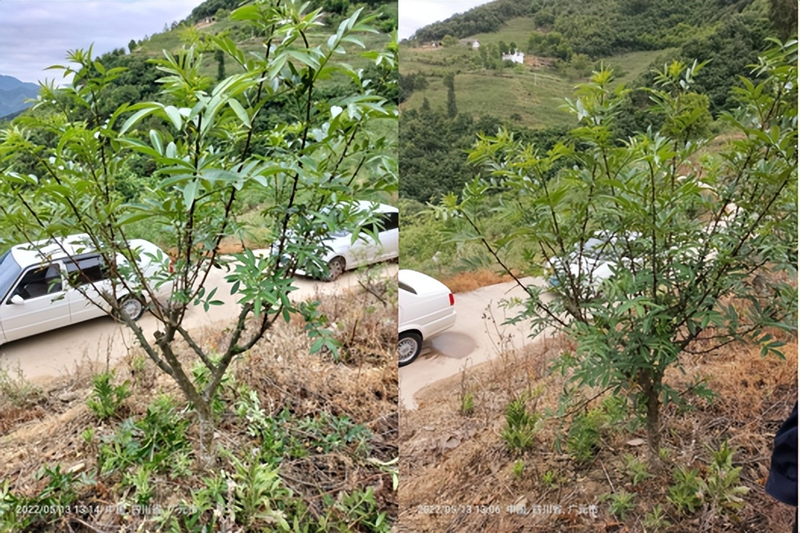
Solutions: the level of cut-off should be based on the timing and size of the extraction, with the total length of the primary branch and the main branch being maintained at around 80 cm, the length of the second branch being kept at 5 -30 cm depending on the length of the branch and the space, the length of the second branch being maintained at sufficient length to ensure that the number of stakes is sufficient to allow for new hair withdrawals, and the point of cut-off should be determined on the basis of the degree of woodification and the length of the branches, the point of cut-off should be cut off at 1 ~ 2 cm at the front end of the first bud at the top, and the point of break before and after the onset of spring at the latest, and, if it continues, the buds will consume a large amount of nutrients for the nutrient branch and increase the fall of the fruit
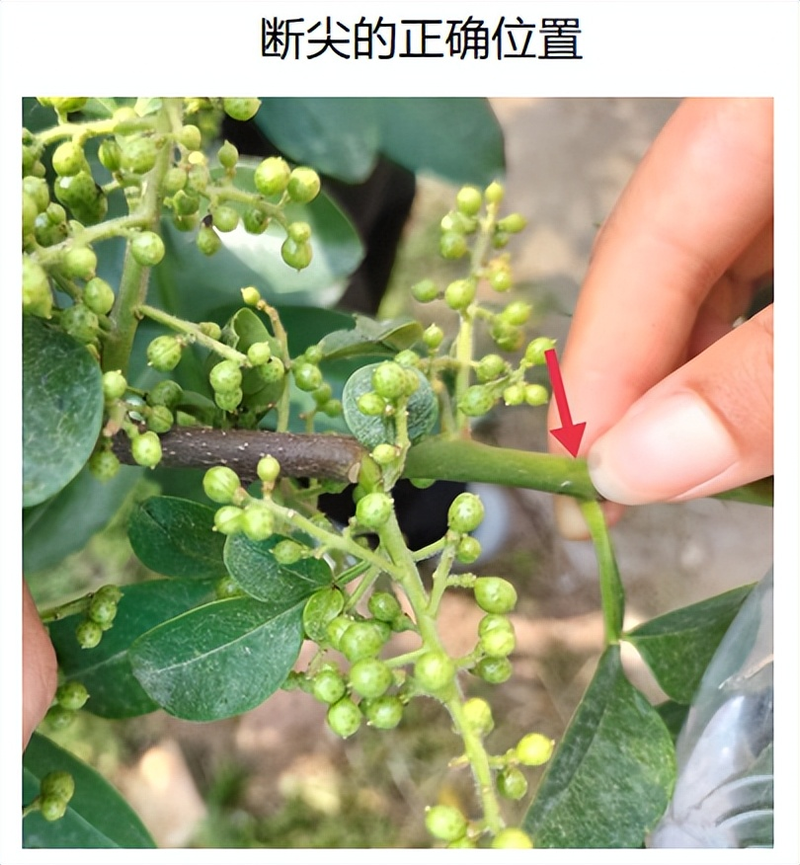
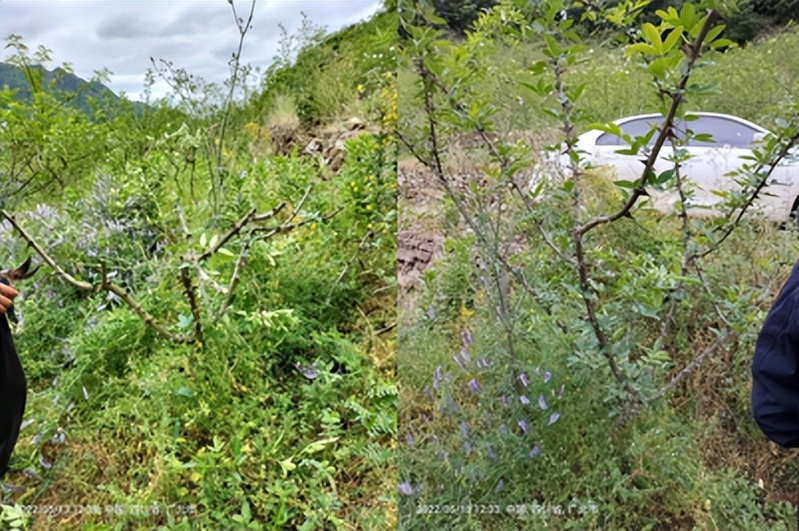
On board, the next pillar will be consciously reoriented into an inner-air outreach shape, the opening of the wheel and the retrenchment of the main branch in the light of the realities of the pepper park, the retrenchment of the weak branch at the front end of the main branch that is retained, the leading branch for the upper and new branches, and the extension of the tree in the context of the collection of old medicine; the pre- and mid-autumn, pre- and post-spring, over-tightly-streaked, straight-tightly-streaking of the tree, which cannot form a bow and is controlled at 40-60 degrees。
Iv. Use of correctives (old drugs)
Problems: the improper use of regulating agents is present in many pelican gardens, such as overdose of old medicine, which leads to wrinkles and excessive side branches; too small or too few doses of old medicine, which leads to poor woody symmetry and vulnerability to freezing; too late the first collection of old medicine, which leads to too little distance; and the use of corrosive acid (920) in some pelican gardens during the flower season, which we found during the visit, which is intended to stretch the bouquets and increase the seating rate, provided that the concentration of use and the time of use is controlled and that high concentrations lead to flowering, flowering or curving seasons. Note also that cromic acid is an acid regulator and cannot be mixed with alkaline substances。
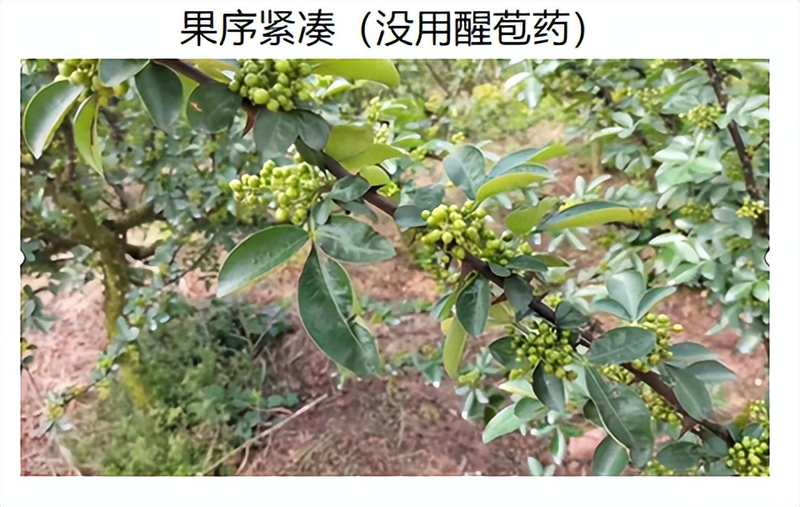
Solutions: rational use of the adjustment agent. On the old side, it is usually the first time an old drug is taken when the new branch reaches 30 centimetres, and the time of each dose is kept at four days, after which the dose increases to 65 cm, 105 cm, 145 cm, and the dose increases gradually, accompanied by a cure for pests and insects, especially aphids, which ensures the substitution. The pharmacist has been pulled at least twice, but the use of cromic acid is not recommended and is at high risk。
V. Costs
Problem: precipice trees are suffering from undernutrition, as are the fallout from small and red particles. The reasons for this are: insufficient application of fertilizers, which in some cases are applied only twice a year; inappropriate application of fertilizers, where only compound fertilization without farm fertilizer leads to soil acidification and inhibition of root absorption; the prevalence of nitrous fertilization, which leads to the growth of trees, with insufficient flowering, with many side branches and many grafts, and competition for nutrients with fruit; the close proximity of fertilisation to the main stem, which leads to ingestion of nutrients or excessive concentration in the application of fertilizers; and the failure of underground fertilization in arid areas and the absence of ditch drainage in long-duration rain areas, which leads to the inability to absorb nutrients。
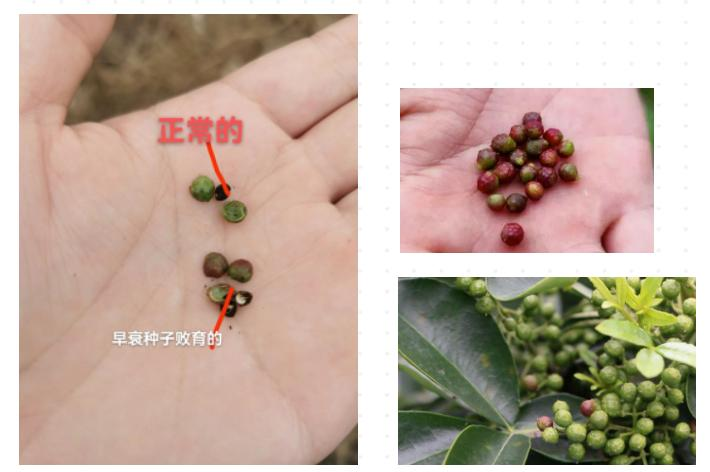
Solutions: fertilizer is essential four times a year, i. E., 5-7 days before the harvest; winter fertilizer is applied at 5-15°; budding fertilizers are applied during the precipice period; and fertilizers are applied late in april. Fertilizers are applied at the time node, mainly by farmers, supported by compound fats; high nitrogen fertilizers are applied to the larvae tree; the adult pepper tree uses balanced fertilizers; the fruit fertilizers choose high nitrogen; the swelling fertilizer selects high nitrogen potassium; and the application type selects potassium sulphate compound fermentation. Fertilizers are over 80 cm from the trunk and dig deep at 20-30 cm. At the same time, the dry pepper gardens have recommended the construction of irrigation facilities or the application of water soluble fertilizers for drainage purposes。
Vi. Pests and pests
Problems: in the summer, with the increase in temperature and excessive rainfall, too little pepper fields, aphids, snails, mountain screws, red spiders, shellfish, leaf disease, yellow flower disease, anthrax, tremors, coal pollution, moss and moss in all areas of production, where the level of harm is low, the preventive measures taken by the pepper farmers are not ideal, especially in those areas where no preventive measures are taken。
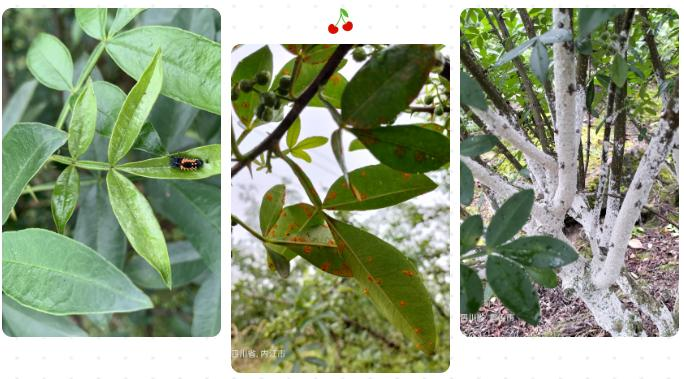
The solution: in any case, the injury to the pepper tree is irreversible. We must be positive, and we cannot choose to abandon the tube this year or next year if it is bad, unless you really do not plan to plant it again. Otherwise, if not addressed in accordance with the pattern and symptoms of disease and pests, they will be repeated and hazards will occur in the following year and year, and they will not be extinct, but will occur in succession. Prevention should be done in a timely manner before and after the onset of pests and pests, with a greater focus on the use of targeted agents for pests and diseases that occurred last year. It also provides small climate management of the pepper garden, which ensures dry ventilation。
Vii. Social issues
The high labour costs associated with the use of peppers for fertilizing and picking each year are evident in large bases, owing to the shortage of personnel and the fact that workers are mostly 60-70 years of age and are not sufficiently executed. This, combined with the recent downturn in the market for peppers, has led to a vicious circle in which peppers are less well managed, of poor quality, disease and pests, and are less active in the cultivation of peppers。
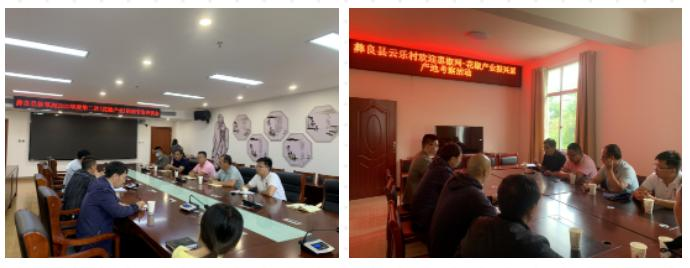
We have found that pelican friends who are serious about planting peppers, working with the pepper industry, are constantly studying technology and looking for guidance, including long-term cooperation agreements with companies, technical guidance agreements, year-round use agreements for pesticide farming, but with little or no impact, and in some cases with less success. And at a time when agricultural pesticides, technologies are constantly evolving and updated, there is a great deal of talk, which also leads to the deterioration and confusion of the peppers。
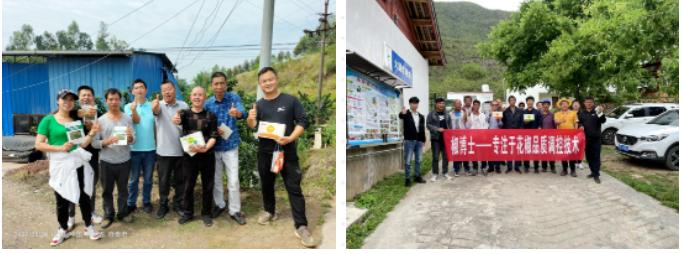
As far as we can manage our own pelican gardens, with so many friends of the pepper farmer who have been holding on and working, we can help each other, even though the market for the peppers is in disarray and the price of the peppers is low, but we dare to slap our chests and say that the quality of the peppers that we grow is not driven by bad markets, but rather, as always, the better, the better, the worse, the worse, the worse, the better, the better, the better, the better, the better, the better, the better, the better, the better, the better, the better, the better。