


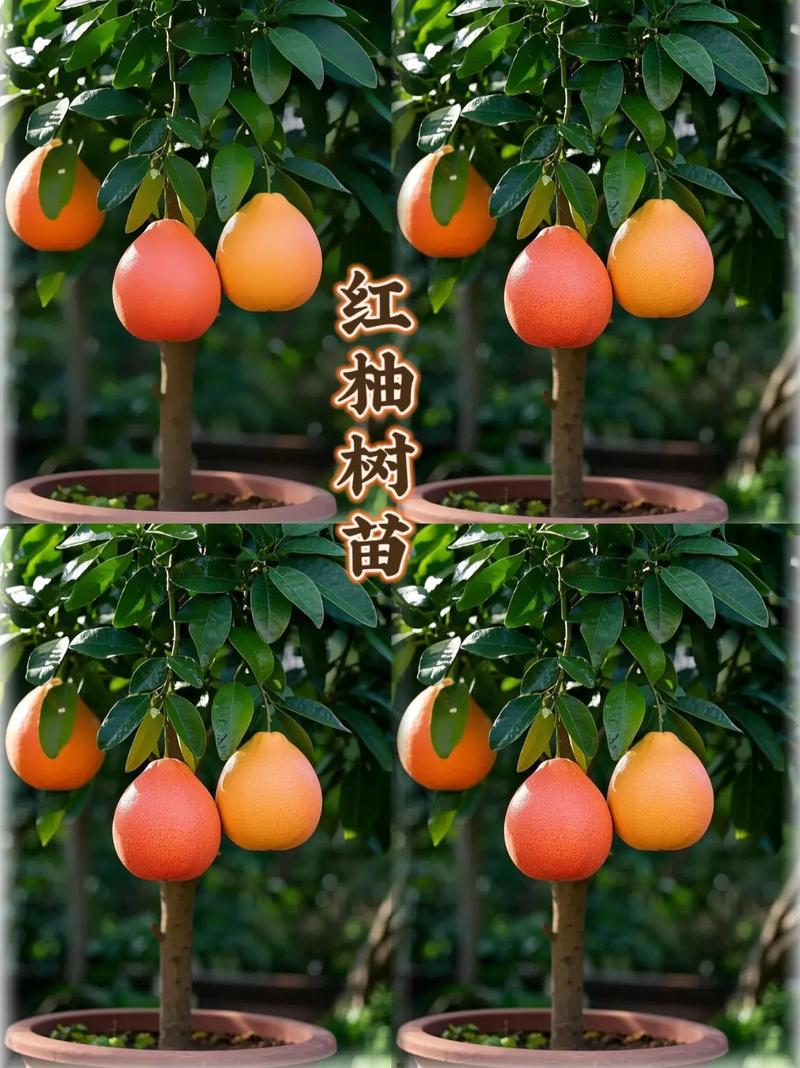
Red nectar grapefruit is one of the good growing varieties of grapefruit trees, which are characterized by red fruit, precipice, good quality, etc. And have some health effects. And how do you grow a red meatfruit? And here's how you grow the red gravy。
I. Building parks
1. Land selection: since the red honeyapple prefers wet, estranged and fertile soils, it is desirable to choose deep, well-drived sandy soil, with soil ph of 5. 5-6. 5. Soil weights, poorly drained water, poor air flow are extremely detrimental to the growth of grapefruit and prone to freezing。
2. Cultivation density: the growth of red nectar grapefruit, the growth of tree crowns, and the 6-7 years of graft, make it inappropriate to be too dense. The range of mountain orchard stands can be 3 x 3 metres, 74 acres, 3 x 4 metres and 55 acres。
3. Excavated pits: before planting, red grafts dig 0. 8 metres deep, 1 metre wide, or 0. 8 metres deep, 1 metre wide and 1 metre wide, and the topsoil is separated from the heart and earth. At the time of filling, 25-50 kg of green fat, weed, etc. Were buried at the bottom of each cave, a layer of green fat soil was laid in the landfill, and lime powder was distributed over layers totalling 1 kg; 15 kg of pig and cow dung, 1. 5 kg of cake fat, 0. 5 kg of phosphorous fat were applied in the centre of the cave, fully modulated with the heart soil, and then the ground was 20-30 cm higher。
Ii. Standing
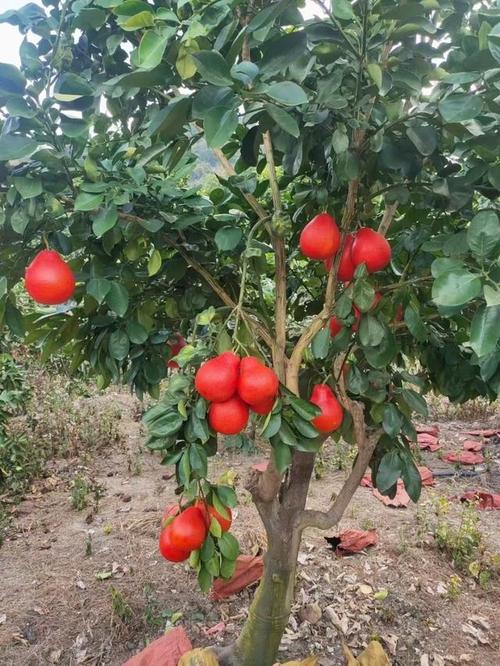
1. Configure pollinating trees: while red nectarapple is strong in solidity, pollination with algae increases the fruit rate and increases the fruit, so pollinating trees should be installed。
2. Timing: the planting is better in mid-march, the planting should take place in the middle of the day or in the evening of the sun, and should not be done in the rain or when the soil is wet。
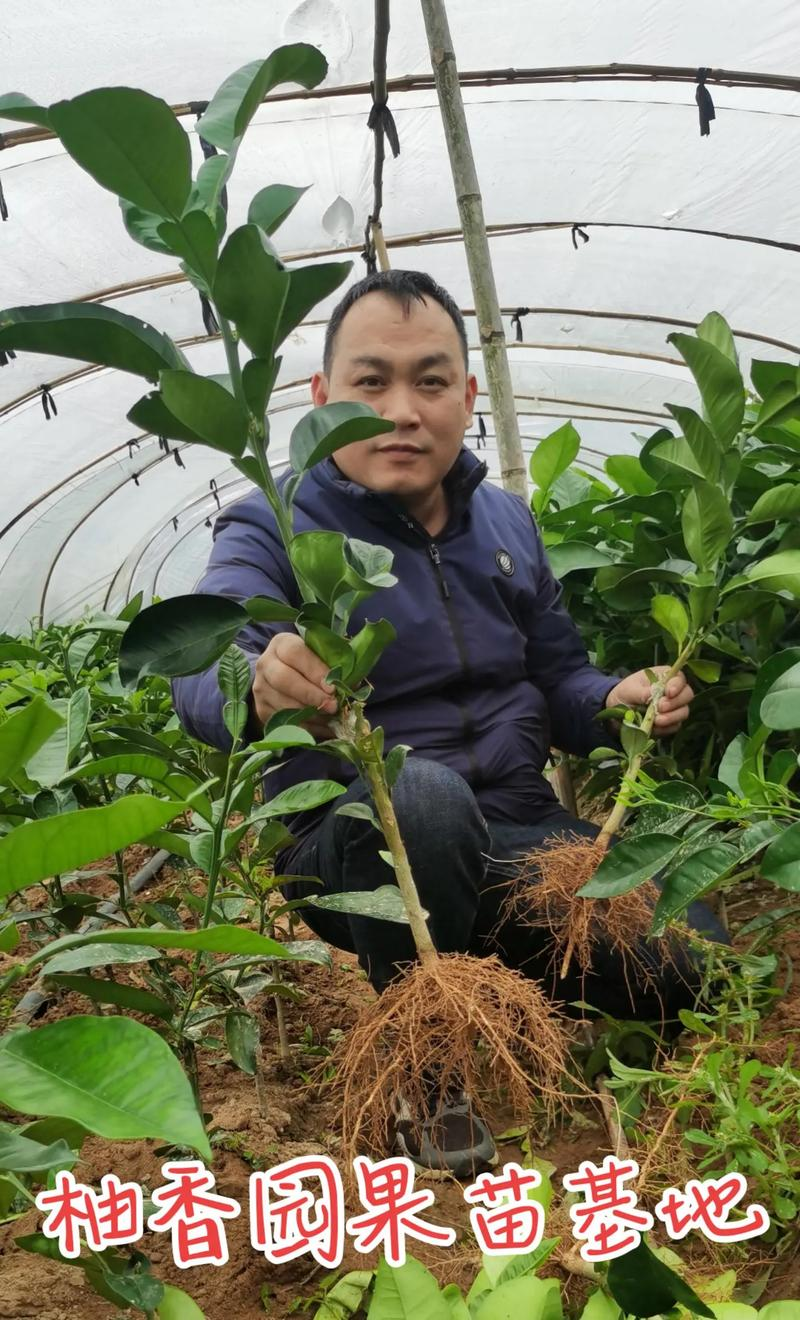
3. The method of planting: before the cultivation of red graft, cut off parts of the tree in order to reduce the evaporation of the water, cut the long primary roots, keep the stubble roots to the extent possible and slurry them with yellow mud. At the time of planting, a small cave was dug in the center of the earth, the tree was placed in it, the roots of the tree were naturally stretched and then returned to the soil, which was crushed and buried at a height that did not allow for marriage. When planted, the water is soaked that straw or other weeds are covered on the tree plate. Within one month, the soil in the vicinity of the roots is kept humid, and water is poured around three to five days apart。
Iii. Intracting
1. Orthopaedic: after the planting of the sapling tree, it is cut to dry at 30-40 cm above the marriage interface. After the stub, three or four new stubs are selected for the main branch and the rest are removed. When the top of each branch continues to be extended to about 40 cm, the heart breaks to the top in a timely manner. The right two to three branches of strength are selected for each branch. The main pole and the secondary branch should be kept at appropriate intervals so that the branch is fully lighted. It is often necessary to erase the sprouts of branches and branches that intersect, overlap, disrupt the shape of trees and have an inappropriate position。
2. Cutting: the result of the red meat nectar is generally only spring paste, with few summer and autumn leaves and strong internal capacity. The initial result, therefore, should be trimmed to the point where it would normally involve the removal of ill-positioned protruding, insecticidal branches, dead branches, over-stretching branches, etc., with more ingested branches and less short-term results. The adult tree canopy has been formed, and the subject is trimmed mainly on the side branches of the bone branches and on the branches of the branches, with the aim of balancing growth and results. The principles of cutting are that the strong trees are trimmed, the short ones are trimmed, the thick branches, the straight branches and the side branches are cut, and the lean branches and the weak branches are kept in order to facilitate the flowering of the flowers; the weak trees are often the result of the strong branches and should be left with less strength and more leaves and fruit。
Iv. Fertilizing
1. Fertilisation of larvae: red honeyapple is scheduled to start fertilizing one month after the fruit seedling is alive. (1) fertilisation every year. The principle of the balance of fat water, thinness and diligence should be understood and applied two to three times a month, with three times the application of decomposed manure or biogas, or 0. 3 per cent urea or compound fertilizer, with 5 to 10 pounds per plant, gradually increasing the concentration and use of fertilizers as the larvae grows; (2) fertilization in the second year. Fertilizing around 15 days before the spring, summer and autumn seasons and during the greening of the leaves, three times throughout the year, after six fertilisations, 5-10 kg of manure per manurea and 0. 1 kg of urea or 0. 1 kg of compound fat. (iii) three years prior to the larvae, i. E. In december, 50 centimetres deep, 40 centimetres wide and 1 metre long, followed by organic fattening of 20 kg + 1 kg phosphorus fat, filling in the ditches with green fats, leaves weeds, dead branches, falling leaves, and some lime, which would be replaced by the other side of the tree at the second extension。
2. Result tree fertilization: normally at least three fertilisations per year. (1) surgeon fat. At the beginning of march, 10-15 days before the gestation, mainly nitrogen fattening, with an appropriate amount of potassium phosphorus fatting, contributed to the high volume and good quality of spring sprouts, with a general application of composite fertilizer of 0. 5 kg; (2) strong fruit fertilizer. Fertilizers during the six-august fertilisation period, with a high number of cedars and a high fertilisation rate can be applied twice in june and august, with a normal urea application of 0. 5 kg of urea and composite fertilizers, and with fewer or no fertilizers, as appropriate, in order to prevent a thaw; and (3) fruit fertilization. In early november, urea was applied in general, 0. 5 kg of compound fat, 5 kg of cake fat and 50 kg of earthly fertilizers, such as bar-weight garbage. In addition, extra root fatting with appropriate urea and potassium phosphate can be applied in combination with sprays to supplement the need of trees for nitrogen, phosphorus and potassium in a timely manner。
V. Purpose poverty measures
1. Multi-activation applications: as a result, the tree sprayed a polyecstasy from late october to early november, which inhibited the onset of winter, robust trees, strong green leaves, small spring sprouts, large flowers, good flowers, high seating rates, few figs, generally increasing production by 10-20 per cent and high economic efficiency。
2. Circumcision: in general, 6-10 years of productive trees were cut in one circle in november and december. This is done in the main branch or in the smooth and smooth parts of the main dry branch, using a knife to go down and not to be circumcised in a closed-mouth ring。
3. Plumbing fruit: during the fertilization period, the amount of flowers is high, the rate of sitting fruit is high, and luminous fruit is conducive to reducing the inefficient consumption of nutrients and increasing production. Time spent, usually between mid-february and early march, is spent in both twigs and buds. In the case of the puddles, emphasis is placed on cutting off the hidden leaves-free and weak branches within the canopy, which are called twigs. In principle, two strong plumes are left in the upper part of each of the parent branches. Some 10 days after the twig, the estuarine is then trimmed, using each estre to leave its middle, and generally not more than four bouquets, which are called leeches. In april and early may, three or more fruits were born on the branches of the result, with the poor growth of the disease, the deformity, the weak, the small fruit, and the preservation of the normal fruit, which is called the berries. One or two strong fruits per branch of the result, 100 -- 200 fruit per grapefruit in the period of the fruit。
4. Package: when the fruit is 10 cm in diameter or more, the leaves near the fruit are removed and the bag is preceded by pests and pests to the whole grapefruit tree, followed by a bag。
The above is a description of the techniques used to grow red honeyapple, and the friends who grow red meat and teafruit can use the above-mentioned techniques for rational cultivation, taking into account actual cultivation。



