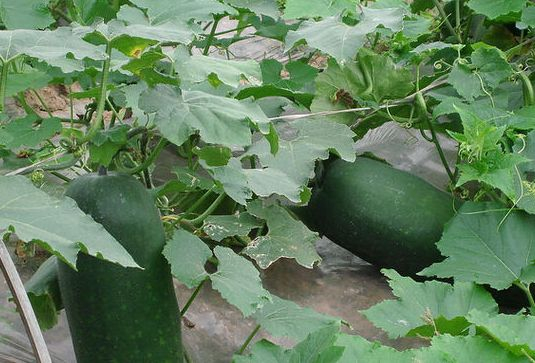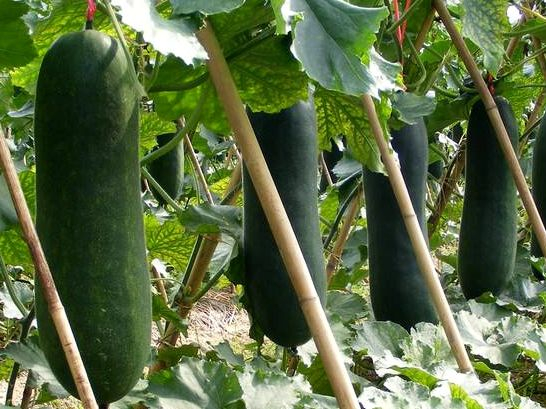
1. Varieties selection. Owing to the high demand for winter melons in the market, combined with their cold- and heat-resistant advantages, they can be grown throughout the country, and hundreds of varieties are now available. During the planting of winter melons, vegetable farmers choose the type of winter melons that are suitable for local planting, with high resistance to pests and pests, depending on the local climate, soil characteristics and market demand for melons. For the most part, winter melons grown in the field tend to choose large fruit-type varieties, such as dragon spring melons, grey melons, or, if they are grown in large sheds, small fruit melons, such as a bell in beijing, an early melon in nanking, etc。
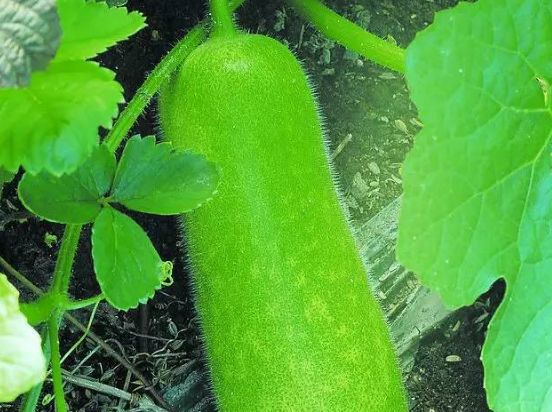
Seed treatment. The skin of winter melon seeds is thick and, if planted directly, it is difficult for the water to penetrate the core of the seeds, affecting their gestation time and gestation rate, so that they can be treated before planting them. First, winter melon seeds are fully mixed in a warm water of 55 degrees, which is impregnated for four to six hours when the temperature is reduced to 30 degrees. When the seeds of winter melon are soaked, the seeds of winter melons are sprung, the immersed seeds of winter melons are extracted and placed in a wet gauze at temperatures of 25-30 degrees, and in the process of sprouts of winter melons, they are washed twice a day, usually after two to three days, and can be planted。
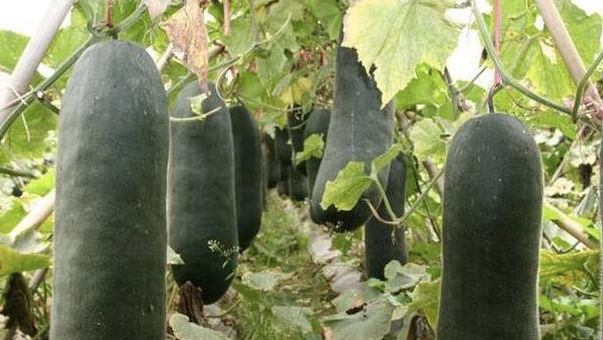
Seeding. Depending on the method of cultivation of winter melons, it can be divided into direct seedlings and seedlings before planting. The direct seeding is the direct seeding of impregnated winter melon seeds at a distance of 30 to 40 centimetres and a distance of 1 metre, with 2 to 3 seeds per den, which will then be covered with thin soil. When winter melons are bred, they are weakened according to their strength, and only one strong winter melon is kept in each den. Pre-planting is more appropriate for early spring planting or for planting in large sheds, where the seeds of winter melons are grown evenly in nursery beds, where water is sprayed once a day before the seedlings sprouts, ensuring that the nursery beds remain wet. Once winter seedlings have grown to 3-4 leafs, it will be possible to plant healthy winter seedlings on the plots they are growing, and to check the rate of planting in time for three to four days after planting, and if winter seedlings are reduced after planting, they should be replanted in time。