


In the fruit stand in the south, there are always “fruits” that make friends in the north look curious. These fruits may have strange names, may look strange, but they hide sour memories that belong exclusively to the south. Let's talk today about five types of southern cold fruit that are rare in northern markets
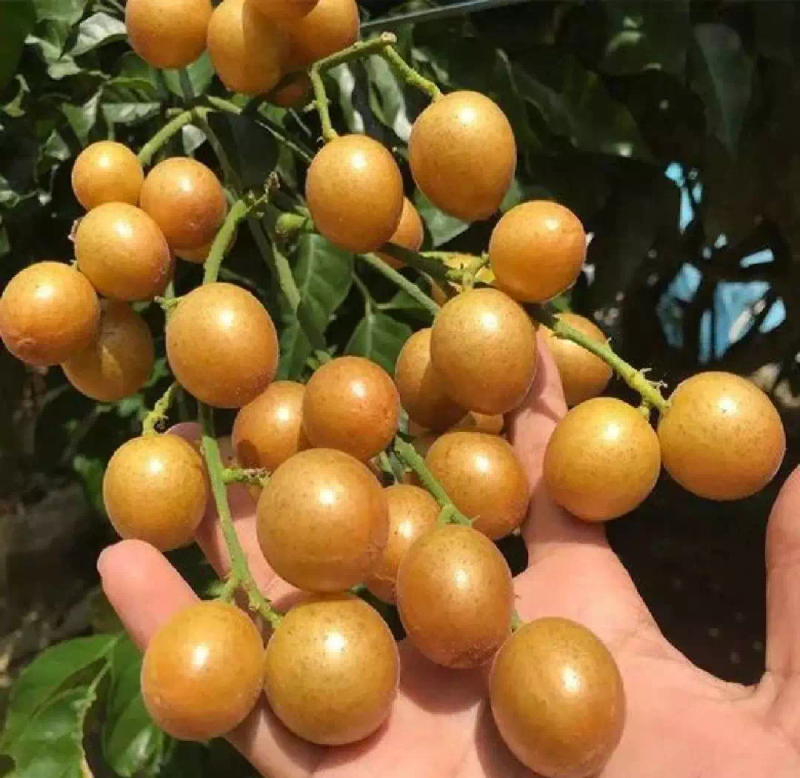
First of all, yellow fruit, which is set by the summer of guangdong and guangxi. A rolly little yellow fruit, a thin skin, a translucent piece of fruit, and sweet sour sweets with a swirling smell, like wild fruit that snuck out of childhood. The local elderly often say that they “eat yellow under a yellow-skin tree and don't eat yellow-skinned,” not only can they eat directly, but they can also make beads or make wine. It's a pity that the baby's warm for two or three days, and it's broken before it gets to the north。
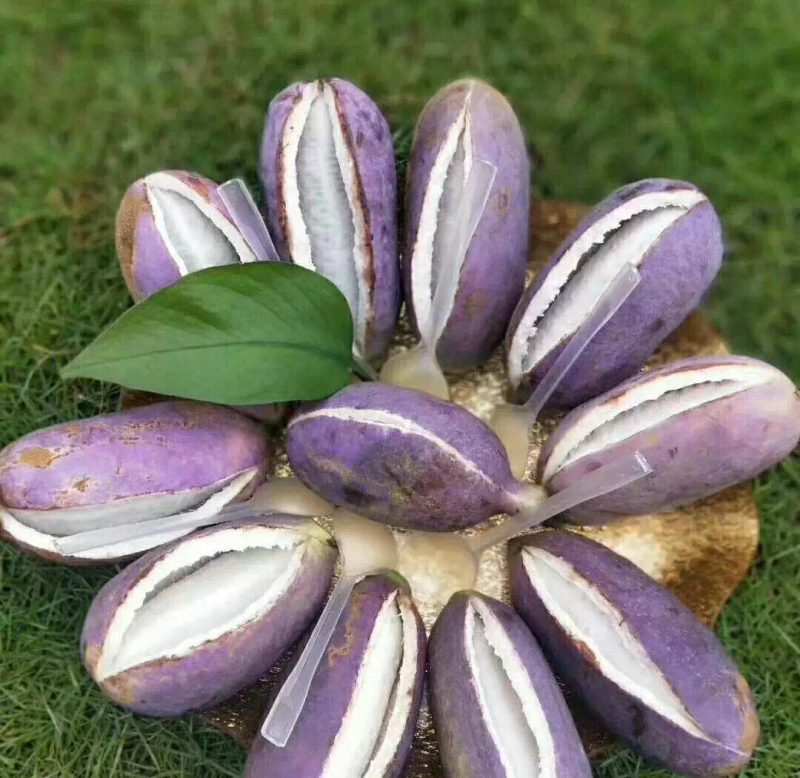
The name of august's bombing sounds so graphic that when it matures, it cracks into its belly, displays white fruit, tastes like bananas, so it's called "bananas". In the mountains of hunan and hubei, it is always visible at the beginning of autumn, but it would be harder to find it in the north supermarket than winning the lottery. Most of the wild fruit is in the mountains, with little artificial cultivation, and it will be broken in a few days, all on luck。
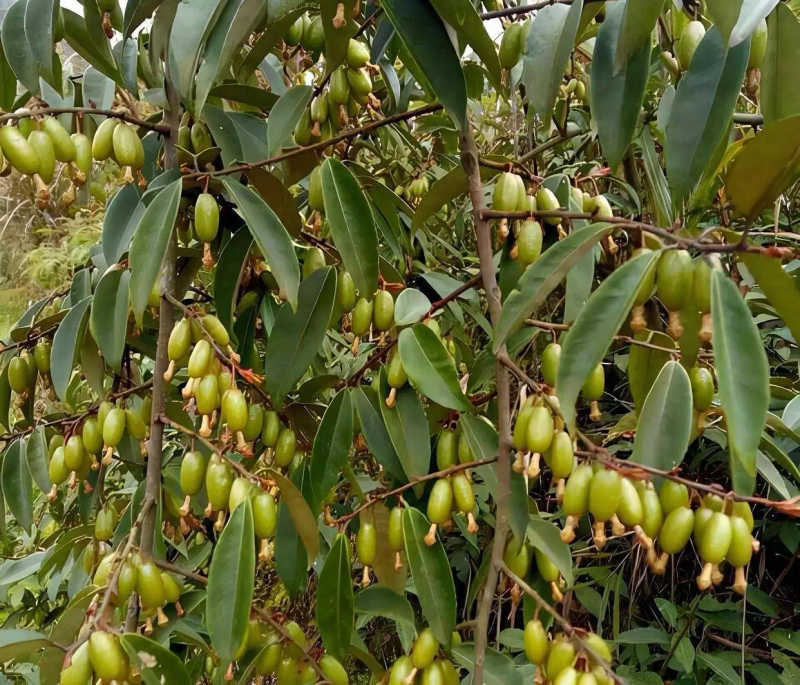
It's curious to hear a name. Orange-red fruit is covered in silver spots, with sour and sweet belts, and locals prefer to eat with a little pepper noodles or to drink in wine. Its skin is thin and it rots when it is transported, so it can only be seen in a market around the site. Some northern tourists have tasted it and say that it tastes like “unmaturized almonds in the mountains” and is unique. Mysterious fruit is more like a magic master in nature. It's made in west africa, and it's grown in hainan and yunnan in small quantities, and the little red fruit eats sour, but then in half an hour, it eats lemon and bitter melon, and it turns sweet! It's all a temporary change in taste through the "mysterious fruit protein" in the fruit. Unfortunately, it is highly demanding and of little economic value to the growing environment, which can only be seen in research parks or small orchards, and it has to travel to the site to try it。
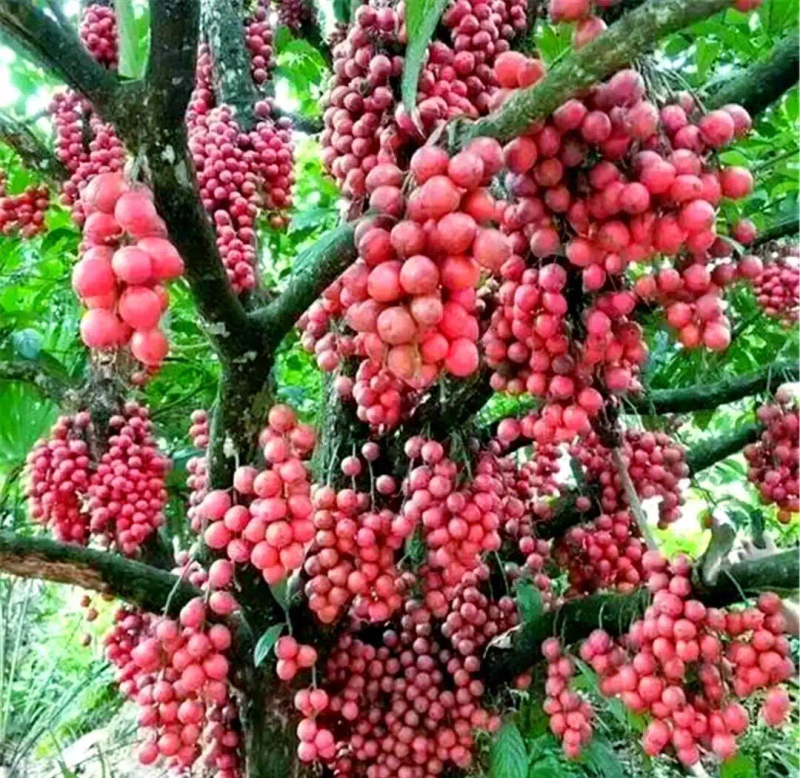
Finally, it's like an “outer fruit” in a tropical rainforest. The purple fruits are hanging on the trunks, like grapes and tomatoes, sweet and juicy fruit, and the seeds extract oil. It can only be seen in the rainforests of hainan and yunnan, where the fruit is so thin that it can barely be transported long distances, and where many southerners have only seen it in documentaries. These fruits, hidden in the corner of the south, are like a tasting code, a secret of geography. They may not be able to get on the shelf of the supermarket, but they take root in the memory of the locals with their unique sour and sweet taste. Next time we go to the south, look at the local farmers' markets, maybe we can unlock these "cool doors"



