It fits
Cold shed grape cultivation management techniques
Construction of sheds
The cold sheds were designed on the basis of the vegetable arch plastic sheds, which are called cold sheds because they do not require heating facilities. The width of cold sheds is determined by the condition of the plot and the form of planting, generally 8 m-12 m, and 15 m-20 m, depending on the condition and needs of the plot, generally 80 m-120 m and 200 m ~300 m. The cold sheds are supported by concrete columns, with wire wires (or wooden poles) used as archers, with 10-cm ~ 15 cm corrugated bamboo poles and bamboo caps, a cushion of 8 cm ~ 10 cm long wood between beams and arches, with the top membrane using a large chain of violet-producing film and a line of nylon rope. The shed is north-south and southward, with imports and exports。
2. Choice of varieties
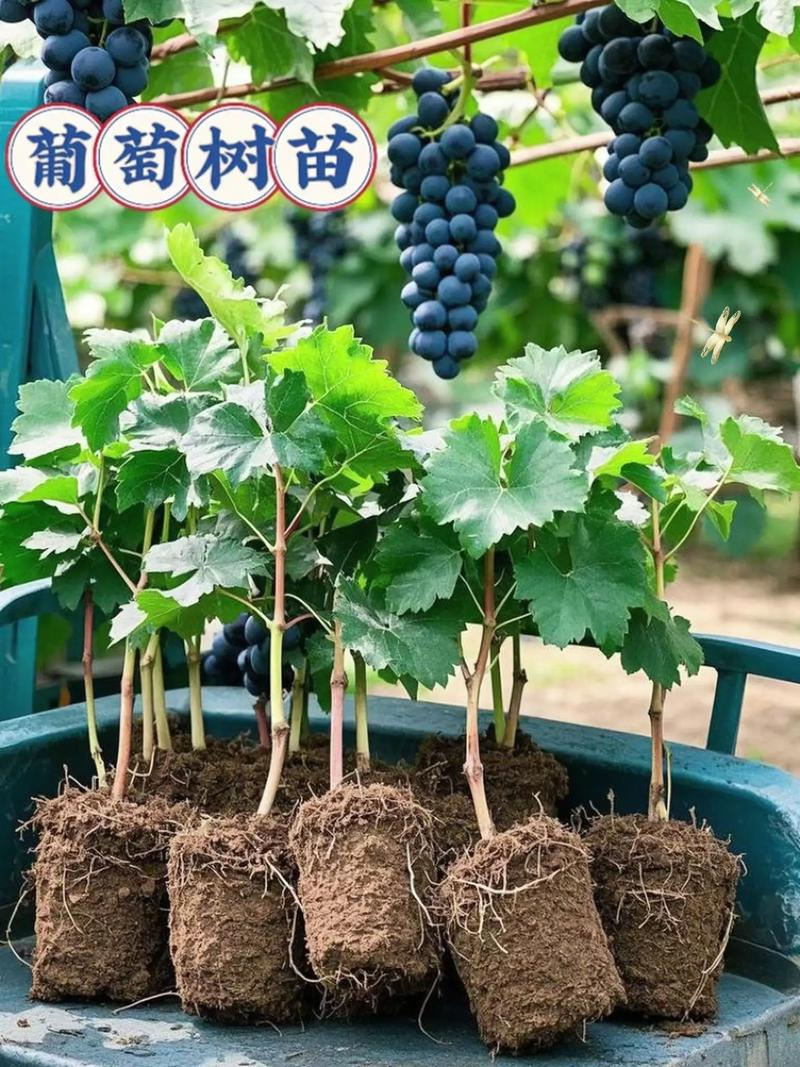
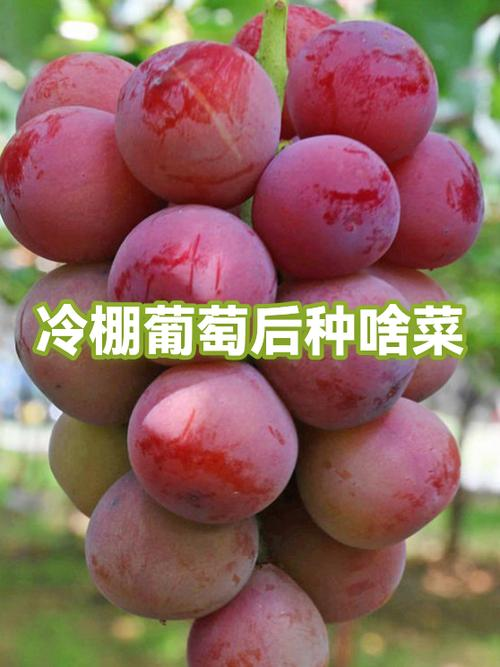
There are many varieties of grapes that are suitable for protected planting, mainly in rizamat, but also in great peaks, kyungya, redti, white heart without nuclears, princess roses, red flags early roses, victoria, august, etc. The principle of selection should be pre-existing, medium-preparative and marketed in the wrong seasons, with as many varieties as possible of large, sweet, well-colored, unique and disease-resistant, resilient and durable product. Green dragon mountain vineyard
3. Forms of planting
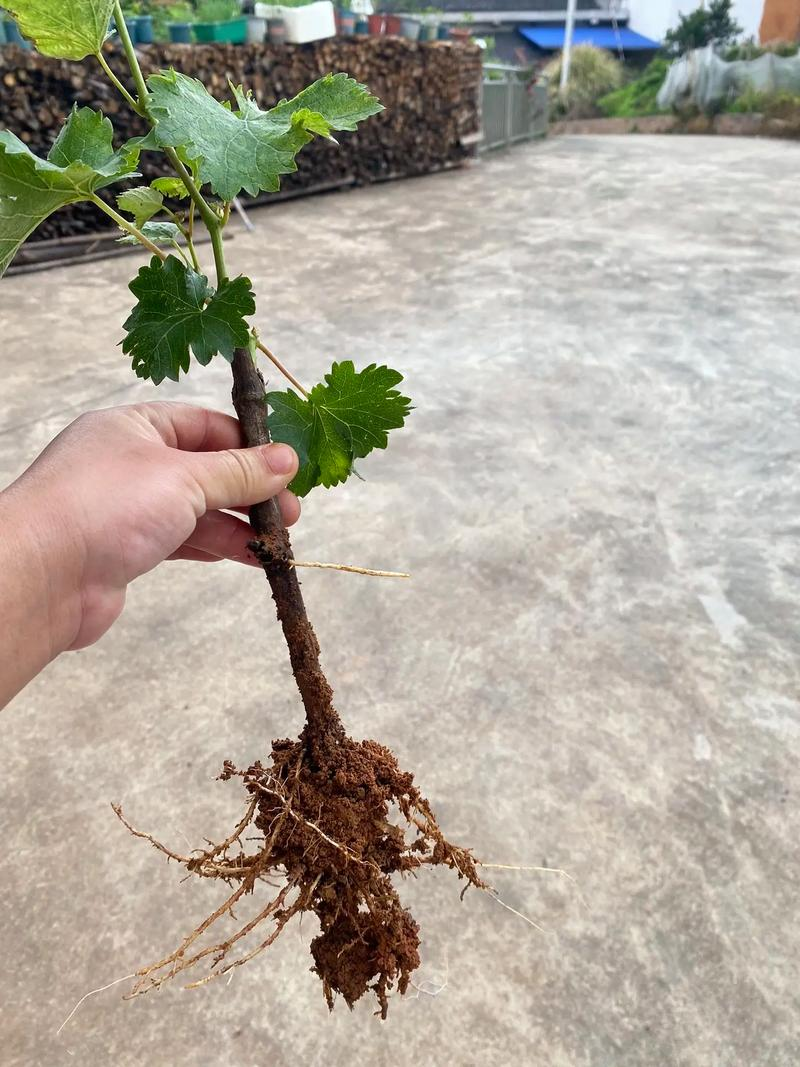
Cultivation takes the form of a 3-4 metre slab, as well as an intermediate slab, a slab on both sides of the slab, which is more suitable for planting at 55 cm ~ 70 cm a chicken. After selection of the silos, a ditch is to be dug, straws and farm and fertilizer are to be refilled and planted around 1 may, in the same way as in the field. Yes
4. Temperature control
The cold sheds of grapes are grown, usually in early october to cut the racks, in late november to prepare the ground against the cold, in mid-december to begin to clear the ground around 20 february. At this time, the plant has passed its hibernation) and the removal of the soil is to be carried out gradually according to the thawing of the soil inside the shed and the temperature of the exterior of the shed, which is to be followed by the addition of cold-proofs and small arches. The prefacing temperature is between 15 and 25°c, the prefacing temperature is between 22 and 28°c, the flower temperature is between 28 and 30°c, the fruit is followed by 25 to 33°c, and the control method is a membrane vent, which can be applied to the whole-day membrane at 18 to 20°c. The raisins should be covered with warm and humid membranes, while keeping the temperature of the ground in step with that of the shed。
The air in the shed should be relatively wet: 70 per cent in infancy, 80 per cent before flowering, 60 per cent after flowering and about 80 per cent after fruit。
Management of chickens and flowers
Grapes planted in cold sheds are easy to grow, small and thin, and the quality of flower sprouts varies, so the management of chickens must be put in place in a timely manner, with the sprouts, branches, hearts, bystands, shavings and semens coming in and going around. When the fruit is judged and confirmed, the branches shall be fixed, the branches shall be sufficient, the nutrient branches shall be sufficient, and the branches shall be prepared, with 8 to 10 new floors per square metre, with the result being a ratio of 1 to 2, and the branches shall be evenly and symmetrically placed on the chickens through the whole branch and the branches。
Plant nutrients and regulators are sprayed on the front lobes, generally using phosphorus potassium power, sea chlorophyll, pbo, beryllium, etc. The fruit is followed by fruit oscillations and oscillations, which are mainly poached at the tip of the ear, which are determined by weighting on the basis of production indicators and by weighting the grains by mass criteria. It is followed by an uninterrupted process of seeding and the timely removal of special particles, malformations and insect particles. Physiological nuts are followed by a fruit pack。
6. Fertilizer water management
Under the basic conditions of the base fat (organic fertilizer) before the grounding of the post-harvest harvest, emphasis is placed on pre-fab fertilizer (mainly nitrogen fertilizer), catch up on corrosive fertilizer (nitrogen, phosphorus, calcium, potassium), apply congested fruit fertilizer (phosphorus, potassium) and supplement the foliage fertilizer (trem calcium and trace elements), which is determined by soil condition and the need for plant growth indicators。
On the basis of enough frozen water, a permutation of water is required before the gestation and subsequent watering according to soil conditions and the demand for plant growth. It is good to have pre-flower water, to fill with fruit water, to have an expansion followed by a coloured water, to use constant and high-temperature deep well water, with the conditional use of heat storage, since cold-shed grapes are mature during the rainy season, and generally not before they are harvested。
7. Pest management
Grain cold sheds are planted to prevent and treat diseases caused by high temperatures, high humidity and poor ventilation. The main diseases in the cold shed are ashilosis, frost, anthrax and other diseases, as well as pests such as trams, dungs and mites. On the basis of the integrated response measures, photopharmaceutical sulfide is used to prevent and treat diseases in accordance with the patterns and conditions of the disease, to control them and to eliminate them。