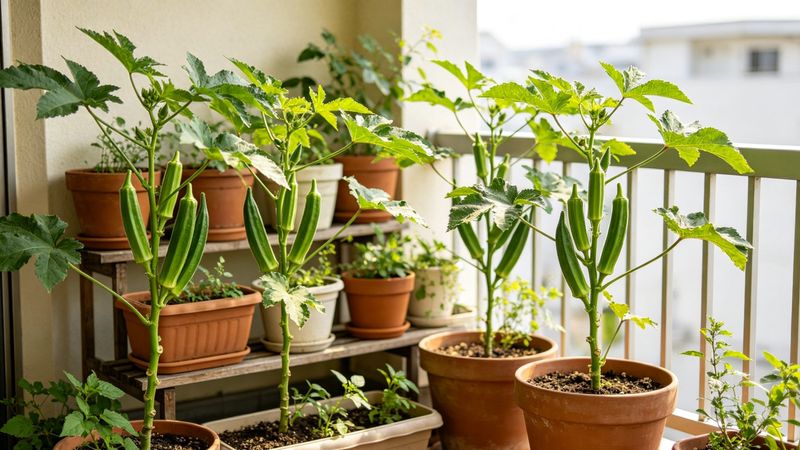
This crop of sorghum, a known friend, is not used as much as an illustration, and even an unknown friend has probably heard it many times from the anti-war song " on the river of pine. " our main task today is not to listen to songs, but to learn to feed on the high-yielding production of sweet sorghum。
We divide it into grains of sorghum, which we eat, sweet sorghum, sorghum of grass, sorghum of crafts. Among them, sweet sorghum and sorghum are good-quality pastures for sheep, and this paper only describes the excellent varieties, biological properties and high-yielding techniques for sorghum, which are the focus of our learning。
The sweet sorghum is a one-year grasshopper with heights of 2 to 4 metres, a sweet and juicy tuber, small ears, water and water resistance, drought resistance, salin resistance, high yield and high adaptive capacity. Sweet sorghum leaves and straws are of some similar size to maize and are mainly used in green storage。
I'll introduce you to the sweet sorghum
As i understand it, there are two categories of excellent domestic and foreign varieties of sweet sorghum, which are presented separately。
The best varieties in the country are those of liaogra, liaogra and shennon. The liaonine, jilin, yunnan, henan, hebei, jamus, shenzhen, shanghai, beijing, tianjin, etc. Are suitable for cultivation in most of our provinces, including liaoning, hebei, henan, guangdong, guangxi province, hubei province, hunan province, shandong, shanxi province, anhui province, ningxia province, gansu province, shaanxi province, and other provinces, with the advantage of being fed and used, producing high yield, good quality, drought-resistant and disease-resistant; shennon 2 is suitable for cultivation in shenyang and shengyang south, especially beijing, tianjin, hebei north, guangxi province, and guangxi province, with the advantage of salt-resistant, drought-resistant, river-resistant, disease-resistant and disease-resistant, with the advantage of being more resilient。
Expatriate excellent varieties: the excellent varieties of sugar and sorghum for feeding abroad, which are currently widely available in the country, are for use by hercules. This breed, which has been introduced from australia as a new species of sorghum, has the advantages of high productivity, drought resistance, water resistance, salin salin resistance, infertile resistance, disease resistance and adaptability. It is adapted to the arid environment of the north-west and to the high temperature and rain climate in the south。
The biological properties of sweet sorghum
Temperature requirements: sweet sorghum for feeding is a warmer crop with a certain temperature tolerance. According to the data, the minimum temperature at which sweet, sorghum seeds sprouts are fertilized is 8-10°c, the most suitable temperature is 20-30°c, and the maximum temperature is 44-30°c, which is stunted during growth and development at temperatures above 38°c or below 16°c. Forage for sweet sorghum can't bear cold and frost。
Requirements for light: sweet sorghum for feed, though a short-sun crop, can contribute to increased leaf productivity by extending the light appropriately. The capacity to regenerate sweet sorghum leaves is strong, and in some areas of the south, sowing can harvest twice。
Water requirements: sugar and sorghum are well developed and drought resistance has been studied to be much higher than maize. Feeding sweet sorghum is, in fact, a very “repulsive” crop, which sleeps when water is scarce during growth and development, and when water is obtained, it returns to normal growth. In addition, the water resistance of sweet sorghum forage is strong and, if flooded after pumping, it will hardly affect production。
Soil requirements: the demand for sweet sorghum is not stringent, and we can plant adhesive land, sand land, drylands, lowlands and flooding. Salt-resistant, infertile, pest-resistant, especially as the main source of grass for saline land, with suitable soil ph ranging from 6. 5 to 8. 0。
Forage technology for high production of sweet sorghum
Five points are summed up by the high-yielding techniques of sugar and sorghum cultivation: crop rotation, land selection, seeding, field management, harvest of green stocks, which require our focus。
I. Crop rotation
With regard to the concept and benefits of rotation, i had an article a few days ago detailing the technology of beet-breeding, which is no longer repeated here and is accessible to friends who do not understand. Here's the point: sweet sorghum is also not suitable for reconnection, and it has to be reversed. Forage is often rotated with crops such as pulses and more fertilized wheat and cotton, with crops such as soybeans and grains, and with wheat。
Land selection
Land selection: it has been said that the requirement for soil to feed sweet sorghum is not stringent, but does not mean that the poorer the land, the better. In order to ensure high yields of sweet and sorghum, we are also trying to plant the fertile and well-soiled land。
(a) land-to-ground: the seeds of sweet sorghum are small, the roots are deeper, the seed season is slow to grow and weeds are not resistant and therefore deep-seated. It is recommended that the depth of tillage be 20 cm, combined with the application of bottom fertilization, which is more conducive to seedlings. Cultivation is practiced in some areas, usually in autumns and autumns。
Iii. Choosing seeding
Selection: the selection of seeds requires the removal of impurities, unsaturated seeds and weed seeds as a means of obtaining a more pure feed of sweet, sorghum seeds. The selected seeds need to be exposed for three to four days, flipping three to four times a day, thus increasing the gerontization rate. Pesticides are also used to plant before planting, which reduces the incidence of pests。
Seeding: the timing of planting depends on local climatic conditions, soil conditions, etc., which are generally selected for spring broadcasts in march-may, and for autumn broadcasts in august-october. In order to increase production, we shall make every effort to select early seeding. The seeding method is usually carried by stripping, with a sweet sorghum line distance set at approximately 60 to 70 cm. The sowing rate is determined by the quality of the land and is best at 2-3 cm and cannot be buried too deep。
Iv. Field management
Saplings: the management of periods of seedlings is an important link, with seedlings having three to four real leaves, until they are 10 to 13 centimetres tall before seeding。
Weeding in china: the planting of seedlings is carried out in a timely manner, and the planting time in china is approximately 3 to 4 sorghums, 10 cm tall and 20 to 30 cm tall。
Water fertilisation: feeding sweet sorghum is a crop that needs to be more fat, with a large amount of nitrogen, phosphorus and potassium fertilizer absorbed during the birth process, and requires more nitrogen than phosphorus and potassium. In addition to the application of bottom fertilizers in the run-off, one to two times is required for the long-term life (mainly for the pecking period). Repeated pursuit of nitrogen fertilizers in the prior period and subsequent application of phosphorus fertilizers. Because of the capacity to withstand drought with sweet sorghum, water can be watered in appropriate quantities during childbearing。
Insect control: sweet sorghum forage is vulnerable to grassland hardship, adhesive pests and can be combated by timely spraying of dichlorvos and trichlorfon solutions. It is also vulnerable to aphids in the post-natal period and can be prevented by the spraying of oxylene. It is important to remember to remove and burn the disease in time if it is encountered。
V. Harvested storage
The harvest period for sugar and sorghum and the harvest period for blue corn, which are raw materials, are similar to the harvest period for masturbation to masturbation. Note: some sheep farmers may be anxious to feed their sheep directly with fresh sweet sorghum, which is wrong. Because of the abundance of toxic hydrogen cyanic acid in fresh feed, especially during the nursery season, there is a risk of intoxication of sheep, resulting in significant damage to property. In order to address this problem, we can effectively avoid the occurrence of hydrocyanic acid poisoning with fresh feed from sweet sorghum that can be properly dried up or fed directly to the sheep. The process of cyanide is similar to that of corn, as detailed in our earlier illustrations, and here is a slight example。
From the above, we will find it easy to learn from the sweet and sorghum-growing techniques used to feed sheep. I personally believe that, in order for it to be productive and productive, in addition to focusing on detailed farming techniques, it will be necessary to adapt, select and understand the biological characteristics of locally grown varieties in order to be successful。