Orchid conservation techniques are knowledge that must be acquired during orchid planting. The right choice of a well-breeded medium is important for the healthy growth of orchids. This paper will describe in detail the two different methods of planting soils and stones, as well as their respective strengths and weaknesses, to help you better conserve your orchids。
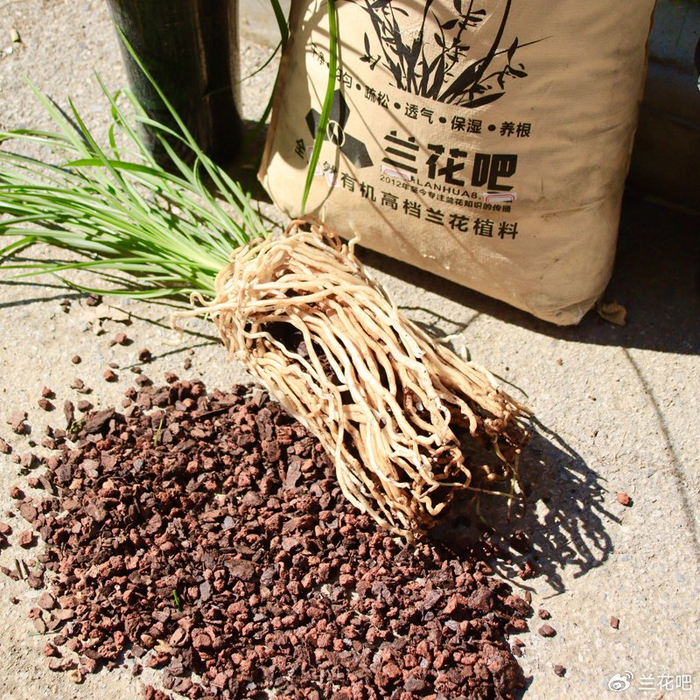
First, soil cultivation methods are used by many when they begin to grow orchids, although the soil is very sticky and adhesive, affecting its roots and nutrient absorption. There are two extremes in soil cultivation of orchids: 1. Water can be difficult to water: when the soil is dry, it is difficult for the water to penetrate quickly into the soil and it takes a long time for the orchids in the basin to be ploughed. If water is rushed, it may spill over the basin, resulting in ineffective water. This will reduce the nutrient supply of orchids. Water accumulation problems: if the soil is more water-absorbed and the water is difficult to escape from the basin, it can be silt in the basin for long periods, resulting in a lack of oxygen in the orchid. The roots of the orchids require oxygen for aerobic respiration to absorb nutrients in the soil, and the lack of oxygen causes the root to rot, resulting in the death of the orchid plant。
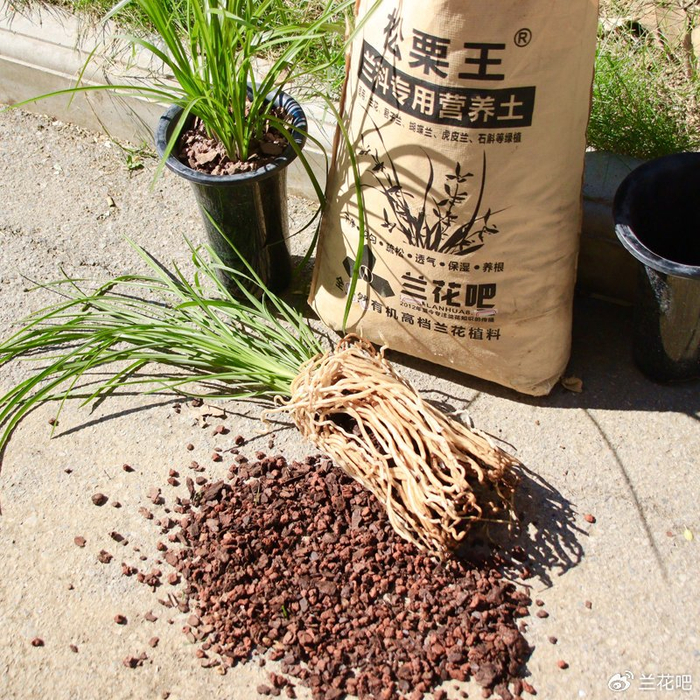
Second, by contrast, the use of quarries as planting media can effectively address soil cultivation methods. The granular shape of the stone creates a gap between them, which ensures the flow of air inside and outside the basin and the breathing of the root, reducing the risk of the rotting roots of the orchid. Common quarries include volcanic, gold, pearl rock, ceramics, red bricks, beehive dross, rubble, fossils, river pebbles, and so on, and we often call them hard。
However, there are also problems with the use of all quarries to plant orchids: 1. Dry and fast: the rocks are good water permeability, and water will soon run out of the basin, resulting in water shortages of orchids and the loss of orchids with special green and soft. At the same time, the roots of the orchids are prone to empty roots, with low gerbility rates, and can be frozen, requiring frequent watering. 2. Shortage of nutrients: the stone itself does not contain nutrients and does not provide sufficient nutrient support for orchids and therefore requires frequent fertilization. The usual method is to place long-activated, slow-decomposition fats, such as good condos, magic fats, occupant fats, etc., on the basin to provide nutrients needed for orchid growth. Otherwise, the orchids will suffer from malnutrition, smallness, weak leaves and vulnerability。
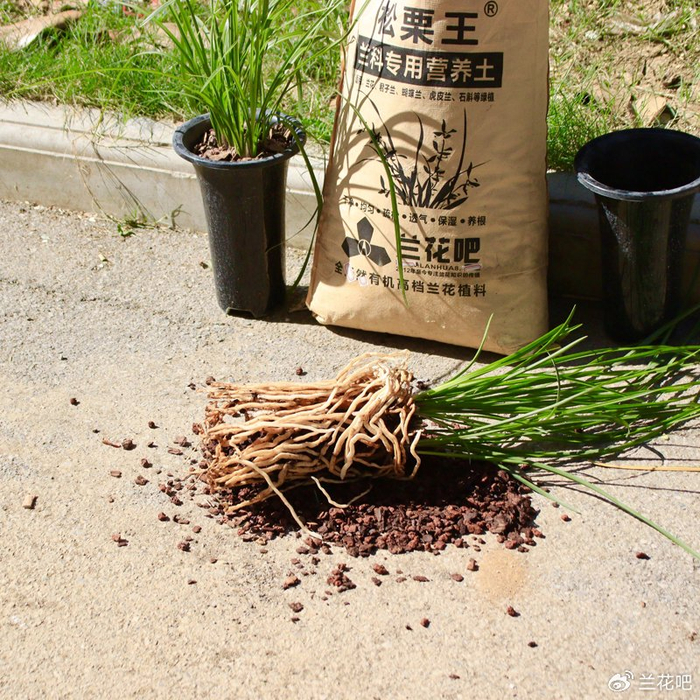
Iii. An integrated planting approach that combines the advantages of the two cultivation methods described above can be a more desirable form of planting, i. E., the mixing of appropriate amounts of organic plant in stone-based planting. Organic plant materials are soft, decomposed and decomposed. They can also increase the humidity of planting media, reduce the need for frequent watering and provide the nutrients needed for orchids, often referred to as soft plants。
Common organic plants include bark, leaves, branches, grass-breed, coconut shells, peanut shells, walnut shells, etc. Preferably fermentation and insecticidal treatment prior to the use of soft-planted materials to completely eliminate eggs and pests. The ratio of hard and soft is not strictly required and a mix of 1:1 can normally be tried. For example, the orchids in the map are planted with the classic formula 1-1 of the formula, which is easy to use and meets the growth needs of the orchids, and produce many orchids that can be spent more than 30 per cent without fertilization. Problems in the conservation of orchids can be effectively avoided by selecting well-breeded planting media. Soil cultivation requires attention to moisture control to avoid difficulties in water irrigation or water accumulation. While the quarries approach addresses these problems, attention needs to be paid to the water scarcity of the orchids and to the addition of appropriate amounts of organic material to provide nutrients. The integrated cultivation approach combines the advantages of both approaches and is more desirable. Orchid bar - focus on the dissemination of orchid knowledge from 2012 to the present