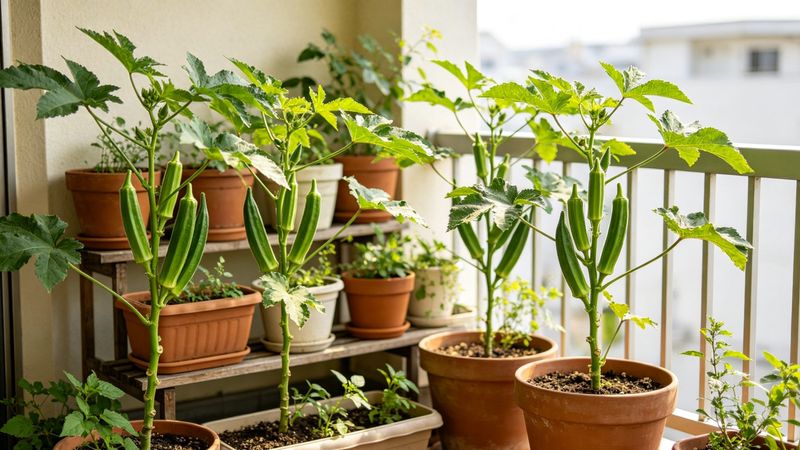
Potatoes, also known as beans and potatoes, are important food crops with high yields and nutrients, easy to grow and high market demand, attracting many growers. The time and method of cultivation of potatoes is described below。
1. Timing of cultivation
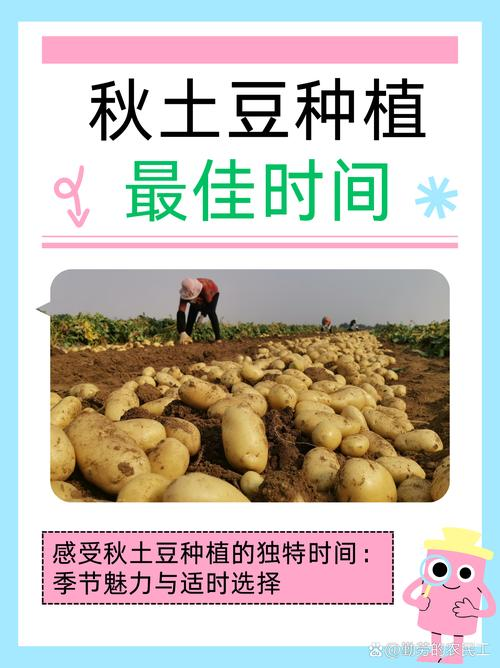
Potatoes are generally grown in october-december, but the specific planting times are related to the local climate, with north-east and north-west, gansu and qinghai growing in mid-april to early may, and south-central provinces, jiangsu and zhejiang, planting in spring in january-february and autumn in september. The planting took place in guangdong, guangxi, hainan and yunnan in late october-november。
2. Fertilizing the whole area
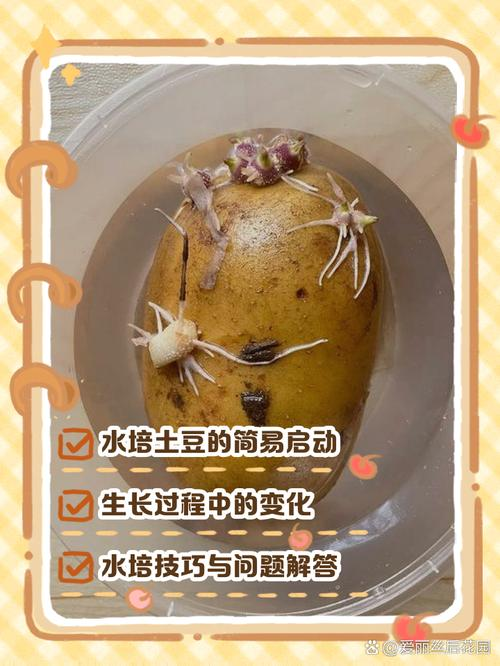
*saloons that are fertile, flat, well drained, deep and thin.* before seeding, the ground is ploughed deep and then made of dredges, the narrowness and lowness of which depend on the terrain and the water of the border. In addition, acres of fully fermented organic fertilizers (up to 1,500 kg of chicken dung) are used throughout the land, or preacres are used for the application of a maximum of 200 kg of potassium sulphate compound fat or 50 kg of calcium per phosphate。
3. Potato processing
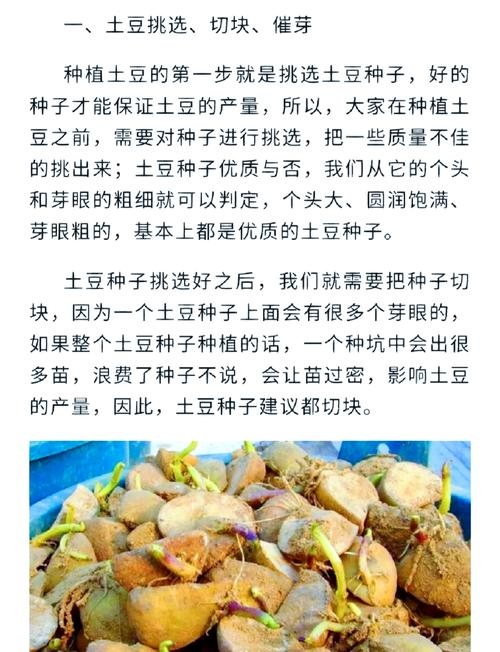
The choice of a healthy potato seed with a smooth skin, a nice colour and a weight of about 1-2, before cutting the chips, it is recommended that the potato plant be laid in the sun for two to three days, and that the cutter be sterilized to avoid the infection of the fungus with the potato, that the chips not be too large or too small, that they be sprouts of the potato, and that they be reduced to the bottom, so as to ensure seeding of the potatoes and increase potato production。
4. Reasonable secrets
5. Fertilizer water management
In the middle and late growth of potatoes, 25-30 kg of potassium sulphate per acre were distributed evenly and watered in conjunction with the root of the plant. In order to avoid early fallout of potatoes, 0. 3 per cent of potassium phosphate + urea blends can be sprayed on the leaves, with two to three successive sprayings, contributing to the rapid expansion of juvenile potatoes. Potatoes are long-lasting, are properly watered, as much water as possible is pumped, so as to prevent flooding, as much water as possible is not drenched, and the increase in permeability is not conducive to the expansion of the stem. For areas with high rainfall, heavy rains are followed by timely drainage to avoid field water accumulation. As much as possible, seven days before the harvest, without watering the potatoes could improve their commerciality and storage time。
6. Reasonable control
A part of the potato field is grown, which causes the leaves to shroud each other, the irradiation of light and the nutrients to grow better than the reproduction, and does not contribute to a significant reduction in the production of underground chips. Thus, for the purpose of rational control, 5% of the acre-length potato parcels can be sprayed with 30 to 40 kg of oxen per acre and once every 10 days, with reasonable control over the upper hegemon。
7. Insects and diseases
The main causes of the potato disease are those of night sickness, which is concentrated in early prevention, which is commonly protected by copper formulations, dyson zinc, zinc zinc, etc., and which addresses the use of americ acid, mercuric acid, cyanide, fluorine amphibian, frostridium, silver fluoride, etc., which is sprayed at intervals of seven days, two to three times, depending on the occurrence of the disease on the ground. Potato pests are mainly gnawing, mainly by gnawing underground truncheons, with 40 per cent of the phosphorus or avigor chlorine used by the grower to wash with water and an acreage of around 1 kg, effectively preventing the harm of underground pests。