


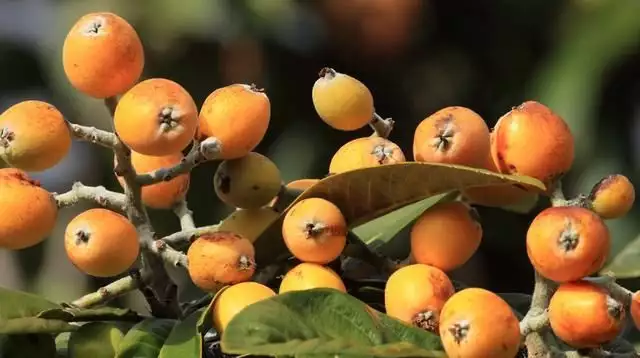
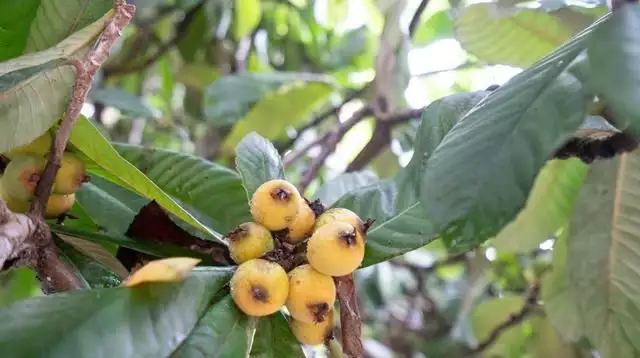
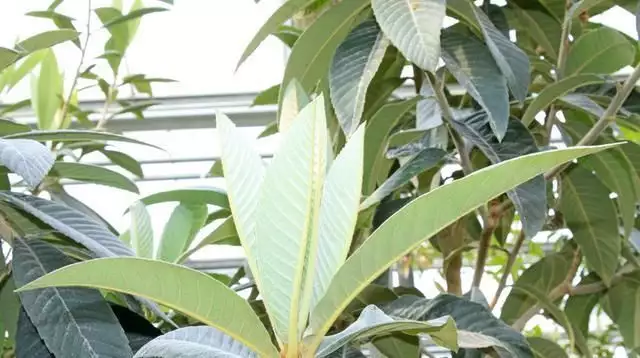
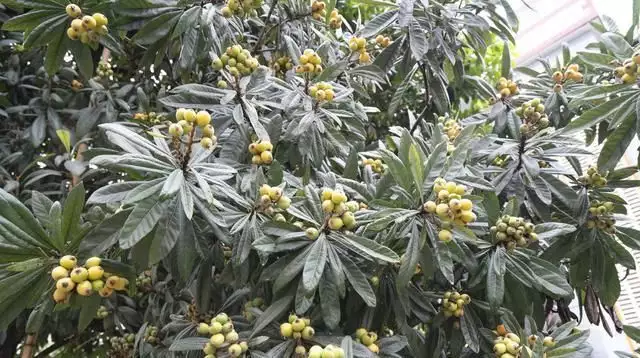
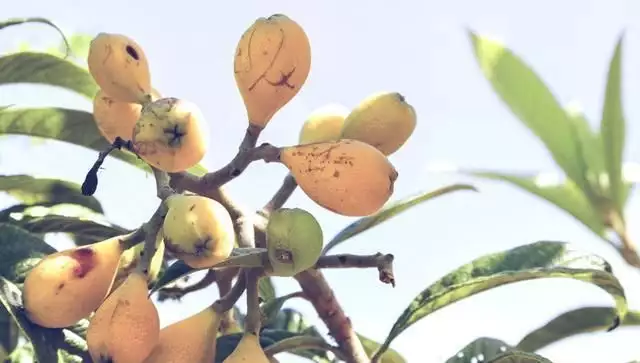
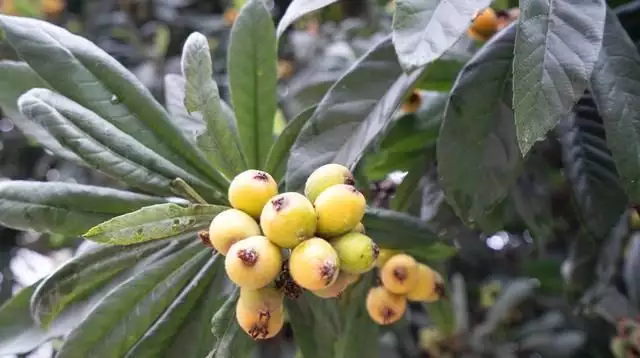
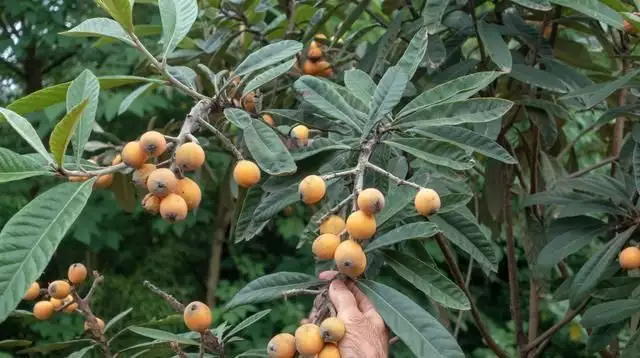
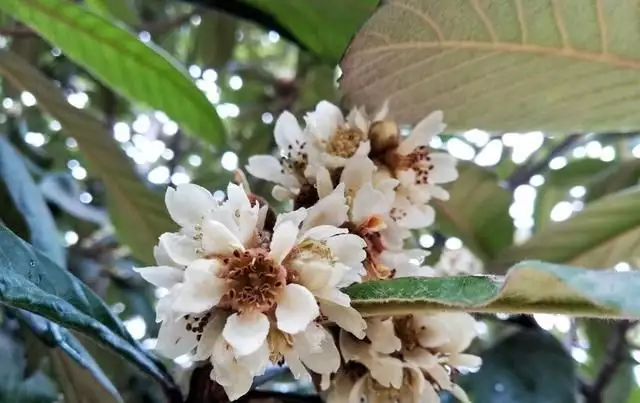
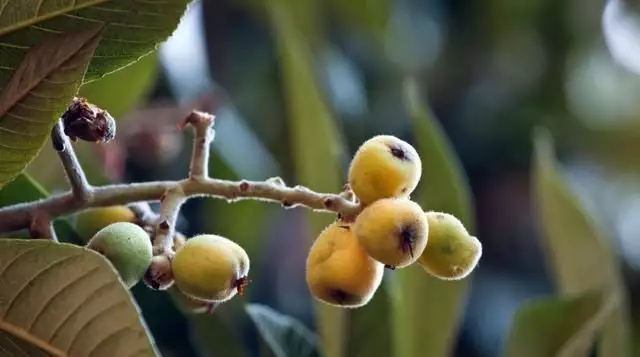
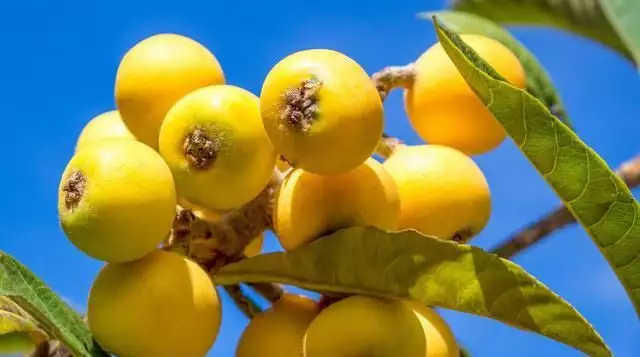
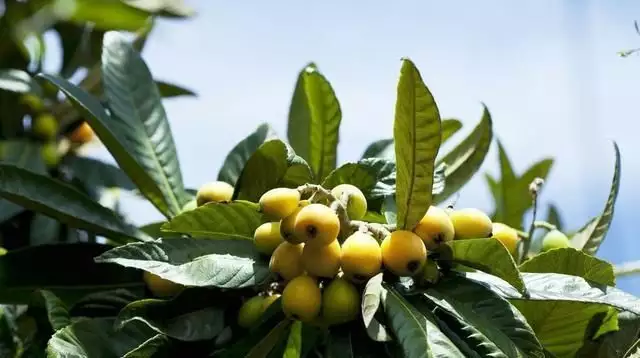
Zirconium, zirco, zirconium. Small branches are covered with rusty fur, single leaves are born, egg-shaped pins on the side of the leaves, short circular ellipses, tectonics, bottom-covered, thin-cut teeth on the edge of the leaves, and can cough and reduce the amount of stupor. Pear spherical, golden, blanketed, flowering period from october to december and outcome period from may to june. The subtropical region of our country is warm and humid. In areas where rain is abundant and well drained, sowing or breeding. Fruit matures in the spring and summer, the smallest season of the year. The market is also quite optimistic because of its rich nutrition and good taste, which are welcomed by consumers. Good varieties include red robes, glory, chalk, white and white sand。
Wenzhou lies on the south-east coast of zhejiang, 27°05 n, 28°37 nato, 119°37 e, 121°16. It borders the sea in the south-east, with mountainous mountains, complex terrain and a mild climate. It belongs to the tropical sea monsoon climate of central asia. The average annual temperature is 17. 9 degrees, the coldest average monthly temperature is 7. 6, the extreme low temperature is -4. 5 degrees, the hottest average monthly temperature is 27. 9 degrees, the maximum temperature is 38 degrees and the m10t cumulative temperature is 5641 calendar days. The frostless period is 283 days. The average daily rate is 1850 hours per hour. The annual rainfall is 1689 mm and is unevenly distributed. Winter and spring rain. In the early summers, there was plum rain, mid-summer drought and early autumn there was a storm。
Wenzhou has rich mountain and labour resources in mountainous and semi-mural areas. The development of production is of great relevance in accelerating the progress of mountain people from poverty to wealth. Wenzhou is experiencing rapid economic development, a high standard of living for its people, large consumption and unlimited market potential for productive development. The root causes are relatively shallow, and the cost of land improvement is relatively low for the development of desert mountains and lands。
There are no strict requirements for the environment, which can be flat, mountainous, sandy or viscosy, but the sandy border of ph between 5. 5 and 6. 5 remains the best. In the construction of gardens, the choice should be made of slopes that are easy to transport, wide terrain, sufficient light, good ventilation and easy to drain. The lowlands should be deep trenches and high borders, which would lay the foundation for the production of high-quality tarts. Because of the shallow distribution of roots, weak expansion capacity and poor wind resistance, the soil should be profoundly transformed into a soil or plant a large hole, which should then be greened year by year, in order to improve soil permeability and fertility; and in order for plants to flourish, to increase their resistance to wind, which should then be extended each year from the planting point to improve the soil。
The choice of varieties has proven to be very important. It would be preferable to select large fruit varieties, especially large fruit types, with high solid content, moderate sugar acidity, appearance and adaptability. According to the varieties currently being promoted, the best are the red robes, the glory, the whites, the big five, the dragon spring one, etc. These varieties mature from late april to early june and can be grown together. The best seasons are september to october and february to march each year, with better seeding in the spring。
Before the nursery, water the floor of the nursery, then seedlings to protect the roots. In the garden, 1/2 〜2/3 of all leaves should be cut off. If there is a bud, it should be cut off to reduce evaporation. Prior to cultivation, 50 per cent more than 800 times more fungus were impregnated for 15-30 minutes (premise root system) and soil cultivation was used to increase the survival rate。
The planting density of seedlings may vary according to variety, with 150-220 plants per acre. When planting, the soil must first be crushed at the planting site to improve the bone structure of the soil. It shouldn't be too wet. This is the key to survival. When seedlings are planted, the roots are stretched out, stretched straight and filled with compact earth. The seedlings should not be grown too deep, and the roots and necks are flat or slightly higher. Once seeded, it should be poured into the root water, which must be fully watered. It will then be covered with black cover or weed, wet and warm, which will help the seedlings survive。
Young trees should be fertilized with thin shells. After seeding to life, the first kind of fertilizer is applied when bulging up to 5 cm, the main effects of which are nitrogen, phosphorus and organic fertilizer. Every 15 days, 5-10 g urea, 5 g calcium phosphate and 3 〜5 kg organic fertilizer are applied. After september, fertilizer was applied once a month, with nitrogen, phosphorus and potassium。
Adult trees are fertilized three times a year. The first spring fertilizers were applied in mid-february. At this time, the root causes are at the peak of their infancy and are easy to absorb. Fertilizers this time have been instrumental in promoting spring sprouts and increasing fruit. Fertilization, which accounts for about 30 per cent of the year, is based mainly on quick-impact fertilizers. This time, potassium fertilizer was applied together to promote the expansion of young fruit. The second application of summer fertilizers took place between mid-may and early june following the harvest of the fruit (the application of late-delayed varieties before the harvest), accounting for about 50 per cent of the year, with the combination of fast-impact nitrogen and organic fertilizers. At this time, it is the second peak of growth in root systems, mainly the promotion of summer sprouts from july to august, the nurturing of good sprouts and the promotion of flower sprouts. The third application of the fall fertilizer or pre-flower fertilizer took place between september and the beginning of october, before the poaching and flowering of about 20 per cent of the year, mainly to promote good flowering, increase sit-in rates and increase cold resistance. And winter, mainly late fertilizer。
The canals are drained to prevent the accumulation of water in the garden and the disease of rotting roots and fruit trees. In august-september, when the weather is dry, irrigation and drought resistance should take place。
Premature orchards can combine pulse crops, vegetables, green fertilizers, etc., but green fertilizer is the best plant. From april to august, it was cut off from tree covers or pushed into the soil to increase soil fertility. Adult orchards can cover weeds or crop straws between april and september, pressing them into the soil during fertilization or fall perforation, which not only enriches the soil and improves its aerobicity, but also contributes to plant growth by keeping it wet and decreasing in the summer, and to winter cover tree trays. In winter, the whole garden is grown only once, preferably at a depth of 10 〜20 cm and combined with intermediate cultivation to reduce pathogens。
In the case of orchards that are planted without soil improvement, the fall fertilisation should be combined with an expansion of the cave level to 50 〜60 cm, weed, straw, phosphorus fertilization. The entire garden will be renovated within three to five years. Once completed, it will help to guide the root system down and increase fertilizer absorption capacity。
The branches are of obvious regularity, with strong growth at the top, small, visible and weak. When the sprouts take place, the sprouts and several sprouts nearby draw branches, while the sprouts are all trapped and the sprouts become central. The branch extends upwards, while the breech becomes a branch extension. As a result, the central trunks of the pyramids are very visible and the tree formations are evident. Based on this characteristic, larvae are usually not cut, thus allowing them to shoot more branches. Adult trees are trimmed twice in spring and summer. Spring shears were combined with twigs between february and march, mainly to eliminate weak branches, dense branches and long branches, in order to increase the occurrence of spring sprouts and reduce the number of years. The fruit is then trimmed in the summer, mainly by removing dense branches, fine branches and disease branches to improve light and ventilation。
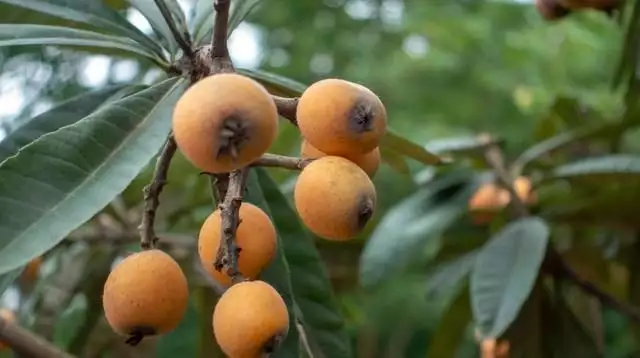
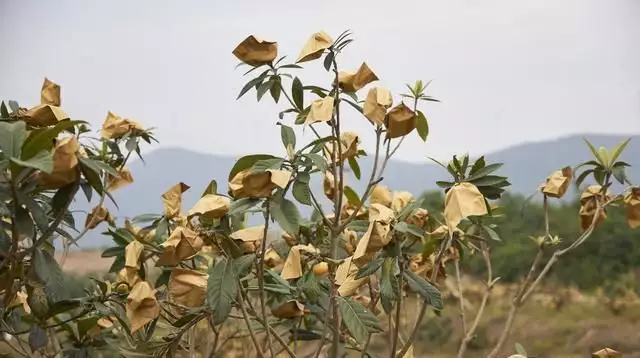
Spring and summer sprouts are easy to bloom, with only 5 per cent of the flowers forming monolithic, and therefore excessive flowers must be eliminated. In particular, for large-scale fruit plumes, a significant proportion of flowers and fruit must be eliminated in order to produce high-quality commercial fruit. When properly ploughed, the raisins are provided with adequate nutrition, increasing resistance to harsh environments and increasing sit-in rates. Succeeding should take place after the warm spring between february and march (early ripening should take place early), and small fruit and pests should be removed. Depending on the circumstances, one to three fruits per branch would be sufficient. Some species with low yields and low flowering should be preserved and preserved. During the flowering period, the use of “nine-two-o” leaf sprays of 10 ppm and 0. 25 per cent of 2/3 of potassium phosphate sprayed on the side of the leaf, 0. 2 per cent of urea and 0. 1 per cent of boar, can increase sitting rates and ensure high yields。
It's called sprouts, which took place between march and april. There are black ulcer on the buds and the buds, showing symptoms of gerontosis, often sprouts on the sides, and the black spot on the leaves is clearly yellow. The fruit of the wounded has a rough ulcer on its surface and the tubular of the fruit is fractured vertically. The branches were initially damaged by irregular spots of yellow brown, rough surfaces and planetary ridges and cracks, exposing dark brown wood, which causes cancer and death in branches. It is a bacterial disease, which winters in the trunk of a disease. Preventive measures: strengthen orchard management, pay attention to fertilizers and water, increase the resistance of fruit trees to disease, cut branches in time, burn leaves and fruit in time with fire, and clean up the source of the disease. In the early stages of the disease (early march), 800 times more live rice was sprayed or 1,200-1500 times more liquid was sprayed twice。
Other diseases include, inter alia, foliage, grey foliage, foliage and purple plaster. An integrated approach to combating these diseases: buddha removes leaves, trims, removes branches and leaves, provides drinking water, strengthens management and strengthens the vitality of trees. 2 post-emergence spraying of 1:1:160 bordeaux solution to protect or spray 1,200-1500 times at the beginning of the disease。
Yellow caterpillar larvae sprouts and larvae, leaves are almost devoured for long periods of time and the damage to the larvae is more severe when injured. Insects appear and lay eggs on the back of the leaves. The first generation of leaf damage took place between june and july, the second generation between mid-july and mid-august, the third generation between mid-august and mid-september, and the larvae of the new 1-2-year-old larvae. The larvae are first brown, then yellow, and mature larvae are about 20 cm long. Control measures: during the larvae period, 20 per cent of the phenyltropine 4,000-5,000 times the fluid or 2. 5 per cent of the desert daisy 3,000 times the fluid and 2. 5 per cent of the oil digestant no. 3 suspended agent 1500-2000 times the fluid control. In winter, winter cocoon is cleared and 1 - 2-year-old larvae is manually killed。
The moths, also known as ship-shaped caterpillars, are the main pests that endanger the ostrich. It eats only old and mature leaves, and begins to devour the leaves, leaving only the skin or the main vein. It happens once a year, winterizing in the soil near the trunk, it appears in july and is active at night. The leaf lays eggs on the back, rearranges more than a dozen insects, hatches late in august, endangers a dozen insects of the age of two, and the head is organized neatly around the back of one or several of the leaves, and the wounded leaves are covered with insects in a tree covered with gauze, and sooner or later they will eat the leaves of the whole tree. When the larvae get scared, they throw up. From september to october, mature larvae entered the soil and wintered. The larvae is first yellow, then purple brown. Prevention and control measures: winter farming, digging out cocoon in the soil around the trunk and concentrating on killing the larvae in late august. If the larvae is scattered for food, 20% of the fentanyl solution 3,000 times or 3,000 times the methadone solution can be selected。
Santen oxin is primarily a hazard to the trunks. The larvae first bit along the bark of the tree and then entered the wood, causing damage and causing death of the branch. Forty per cent of the dichlorvos solution can be immersed in cotton 50 times, then inserted into the borehole, which is then sealed in yellow mud。



