Overview
The mountain tea flower is also known as the tea flower. It is one of the top 10 flowers of our tradition. And one of the world's famous flowers。
Mountain tea comes from our country. At the beginning of the seventh century a. D., japan introduced tea flowers from our own country, and at the beginning of the fifteenth century, a large number of varieties of our mountain tea flowers were introduced. In 1739, for the first time ever, the united kingdom introduced its mountain tea flower, which was later introduced into the countries of europe and the united states. To date, countries such as the united states, the united kingdom, japan, australia and italy have developed rapidly in the breeding, breeding and production of mountain tea flowers, entering the industrial production phase, with inter-breeding, inter-breeding and new varieties on the market。
We have a long history of producing mountain tea flowers. Since the beginning of south dynasty, mountain tea has grown. Tang dynasty tea flowers are cultivated as precious flowers. In song dynasty, the cultivation of mountain tea has become widespread. The tea flower in the state of southern susong was introduced to hangzhou and developed rapidly. Ming dynasty's history classifies mountain tea varieties. When i arrived in chiang dynasty, i grew up with tea flowers, and the variety of tea flowers continued to grow. Since 1949, there has been some improvement in the level of cultivation of our mountain tea flowers, and the choice of varieties has developed. There are currently over 300 tea varieties in our country. Mass production has begun in zhejiang, fujian and jiangsu. At present, it has become the main plant of the flower market in winter。
Form characteristics and varieties
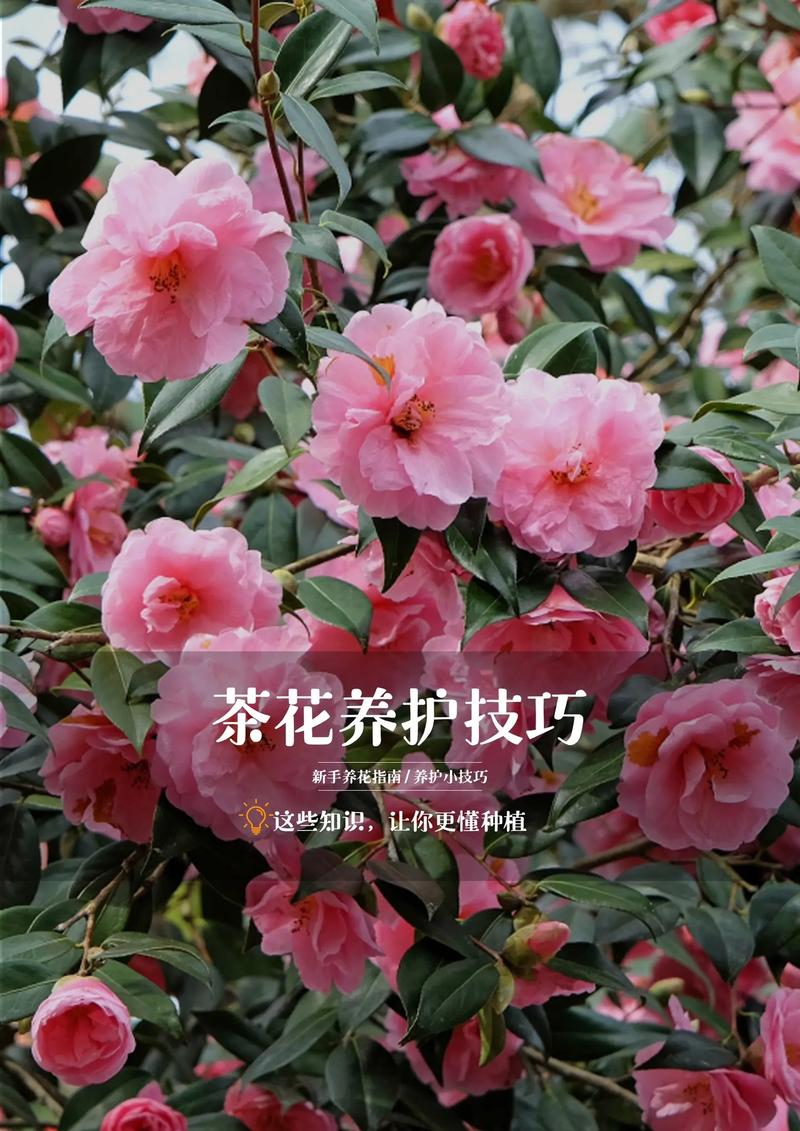
And the mountains and tea flowers are thick and green bushes. Leaves are born together, gels, ellipses, sawn on the edges, deep green. One or two or three peanuts are born at the top of the branch or in the armpit. A single petal or half a weight. Heavy petals. Common varieties are single petals of morning light, wrinkled edges, pure white; chaikin light, white flowers, red threads of peach and thin spots; large flower heart, large red, six to seven centimetres of bouquets; half-grain petals of seroyang, red flowers, white spots; large pines, dark reds; intoxicated concubines, pinks; starnuts, peach reds. Heavy petals include white pearls and white flowers; red roses, flowers and peaches; flowers, whites and red threads; flowers, pinks with irregular red stripes; five cranes, large reds; flowers, large reds and small white spots; reds, reds; reds and reds; freckles, light reds and white spots。
Biological characteristics
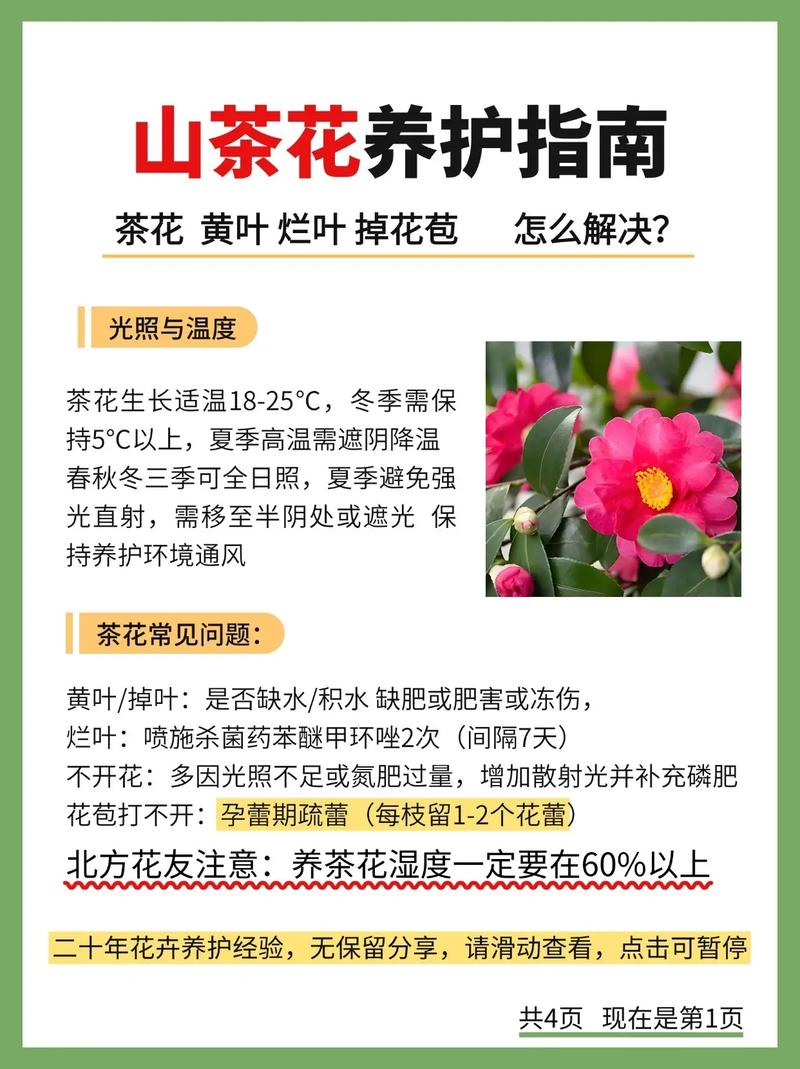
Mountain tea from china. Warm, wet and semi-vaginal environments. Fear of the heat, fear of the sun。
Mountain tea flowers grow at temperatures of 18-25°c, 13-18°c in march-september and 10-13°c in september of the following year. When the temperature begins to bud at more than 12°c, growth ceases at more than 30°c, with a starting temperature of 2°c and an open temperature suitable for flowers at 10-20°c. The cold-resistant varieties of mountain tea flowers are short-lived -10°c, general -3°c. The summer temperature exceeds 35°c and leaves burn occurs. Mountain tea flowers are suitable for adequate moisture, wet air and dry. In the high-temperature and dry summer autumns, water should be poured or sprayed in a timely manner and the relative humidity of the air should be 70-80 per cent. During the rainy season, care is taken to drain water so as not to cause the root to rot。
Mountain tea flowers are semi-negative plants that can grow in dispersing light, fearing direct light to tan and shade for the seedlings. Long periods of overcrowding, however, have been detrimental to the growth of mountain teas, with thin leaves and few flowers, affecting value appreciation. Adult plants require more light to facilitate the formation and flowering of buds。
The field is grown, with the choice of deep, lax, well-watered, acid alkaline 5-6 is most suitable, and alkaline soil is not suitable for tea. The pelvis is fertilized, micro-acid and corrosive。
Reproduction methods
It is common practice to intubate, indoctrinate, barber, sowing and group breeding。
Plug-in reproduction: most appropriate in mid-june and around the end of august. The tree canopy is fully organized, the leaves are intact and the leaves are full of half-baked branches, with a length of 8-10 cm, with two leaves left in the first row. When cutting, the base section brings as much old branches as possible, which can then form the tissue of the wound and grow fast. Plugs are cut early in the morning and are followed by a cut, inserted around 3 cm in the matrix, and piping requires that the blades be interconnected with each other, followed by a finger pressure. It's better to take a shallow intrude, so we can breathe and heal quickly. The bed needs to be shaded, sprayed on a daily basis, moist, with temperature maintained at 20-25°c, with about three weeks to heal and six weeks to root. When the root is 3-4 cm in length, it is planted. The use of 0. 4-0. 5% 吲哚butyric acid solution to impregnate the base of the bar for 2-5 seconds has a significant effect on rooting。
Bridging: varieties that are often used for rooting difficulties or for breeding materials. The highest rate of marriage activity occurs in may-june, when the steroids are half-massed, and the sprouting is fast. It is mainly oiled tea, harvested in october, in winter sands and planted in the first half of april of the following year, until the seedlings grow up to 4-5 cm, i. E. For marriage. Using a twig method, the embryos of the sprouts are partially removed from the centre of the cross-axis, a knife is cut upwards along the core, then a section of the tea is taken, and the base is cut down into a straight wedge, immediately grafted into the bottom of the gurus, directed at the formation layers on both sides, with a cotton line and a clean plastic pocket. Some 40 days later, your pockets will be removed, and it will take about 60 days for the sprouting。
Staple reproduction: during the rainy season, a single year of strength is chosen, 20 centimetres from the top, skin stripping in a walking ring, 1 centimetre wide, plastic sheeting on a corroded lobe, rooting about 60 days later, cutting down a direct pelvis and making a high rate of activity。
Sterilization: applies to single or semi-heavy varieties. Seeds mature in mid-october and can be sowed. It is based on shallow seeding, covering 6 mm, with a room temperature of 21°c and lighting for 10 hours per night, which promotes seed growth, which starts 15 days after the broadcast, rises up to 8 cm within 30 days, with seedlings moving at 2-3 foliage。
Embromation: insemination of live seedlings commonly used in implants to 1 cm long after routine disinfection at ms cultures adding 1 mg/l, 6-gillumine glands 1 mg/l and 0. 1 mg/l acetic acid, with a four-week culture only forming the wound tissue and not the bud. After being transferred to a new culture, a single branch of four centimetres began to be formed, then immersed in a solution of 0. 5 mg/l of lycinate for 20 minutes, then moved to a 1/2ms culture, with roots four weeks later. After eight weeks of growth on the root cultures, seedlings are planted in basins containing pearl rock and peat。
Plantation management
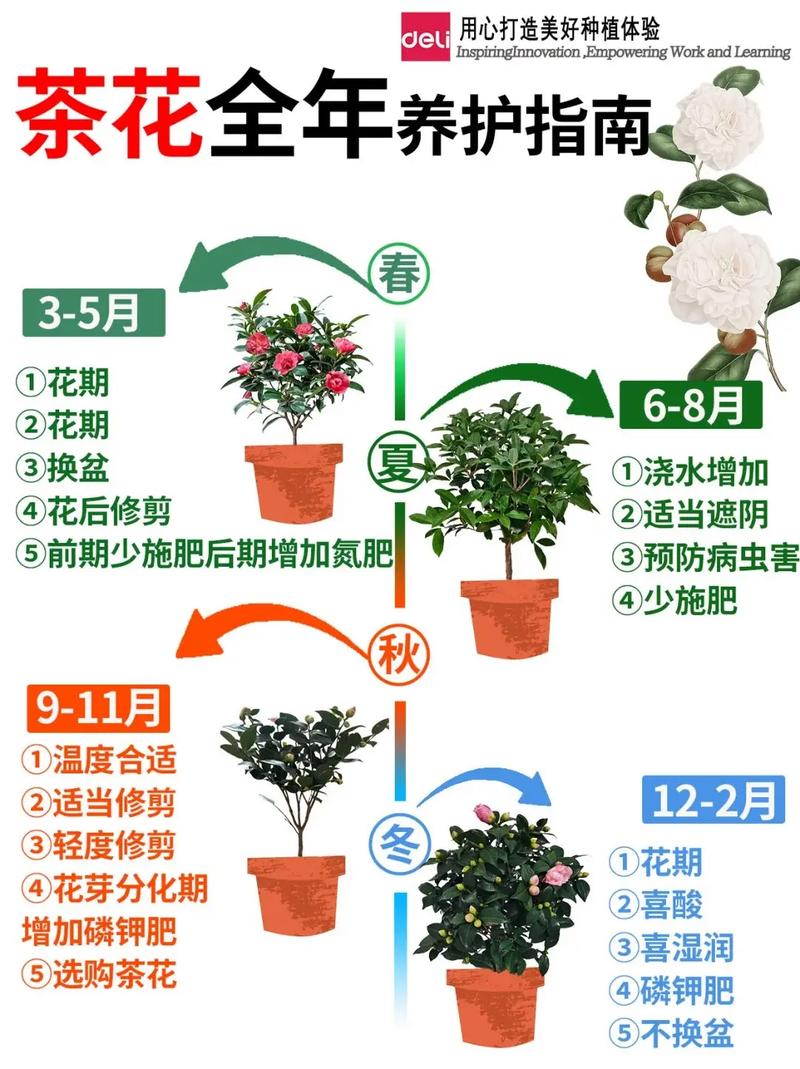
Mountain tea pots are commonly used in 15-20 cm basins. The roots of mountain tea are fragile, and care must be taken not to harm the roots. Battery-planted tea, which is changed every spring or september-october to cut out long or dead branches and replace them with fertile foliage. The tea is wet, but the soil does not need to be wet, especially the plant, which is wet enough to cause rotting roots. Conversely, poor irrigation, too dry and curly leaves can affect the development of buds。
After the spring mountain bouquet is changed, fertilizer is not required immediately. After the summer, the leaf grows and thrives, fertilizing once every half month or fertilizing with 21-7-7. 1 - 2 additional doses of potassium phosphate fertiliser in september between the season and the flowering period. At the beginning of the summer, tea from the autumn mountains began to form buds, with one or two buds per branch, which should not be too large to consume nutrients and affect the flowering of the main bud. Take care of the sprouts in order to maintain the specter. At the same time, dry scrap buds are removed by hand。
Pest control
Mountain tea, when cultivated in indoors and sheds, is vulnerable to red spiders and shellworms if it is not well ventilated and can be used to prevent, treat or wash up to 1,000 times the cream of oxidated fruit. During the rainy season, the air is very wet and anthrax is a common hazard, which can be treated with an equal volume of bordeaux or 25% more than 1,000 times more humid powder。
Post-natal care
And the mountains are beautiful in crowns, and the leaves are bright and green, and they are bright in colour, and they have a long flowering season, and they coincide with the new year and the spring festival. The pelvis drops the guest room, the study room and the balcony, and the atmosphere is luxurious. They are planted in the courtyard, accompanied by a wall of flowers and stones, and the view is natural. During storage, high temperatures and dry air are prevented, otherwise buds and flowers are easily released and affect quality。