Garlic is an essential sauce on people's tables, and many people use garlic for cooking, and for some meat it's still good. In the countryside, many people grow their own garlic. So how do we grow garlic to grow? How do you choose the garlic seed? Now let's find out how and what the technical aspects of garlic cultivation are。
First is the selection of garlic seeds. If you grow garlic from your own land, you have to choose the root, the garlic is full and the garlic is the best. However, if large-scale cultivation occurs, ordinary garlic is selected to ensure even growth. At harvest, keep the roots as much as possible, so that the nutrients of the garlic roots that dry them back to garlic, and also prevent harm to the roots of garlic. And when the garlic is dry, so try not to tan in the sun, lest it be hurt。
In selecting garlic seeds at fairs, care is taken that the range of garlic is different in size, different in size and sometimes different in variety. Garlic species are classified according to garlic colours as garlic, garlic, garlic, and a monolithic garlic, with only one petal, especially spicy. In selecting garlic seeds, every effort is made to select a garlic seed, which is easy to manage. A few types of garlic can also be selected, but separate planting should be observed. When choosing garlic seeds, there must be no rotting, budding, rooting, aging, picking garlic without damage, and not picking garlic seed。
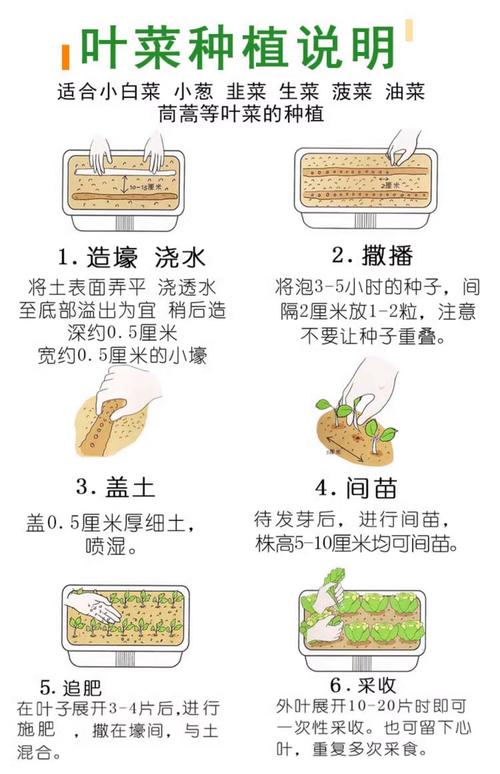
Then there's garlic. The southern cultivation of garlic usually started in mid-september. When you grow, you have to choose strong, white, hard garlic. Before planting, the garlic plates and skins of the seeds are removed and then planted into the water-filled soil at depths of about 3 to 4 cm, ranging from about 5 to 10 cm, with the soil humid and germinate within about a week. Note that the backs of the garlic should be in the same direction, so that the sprouts of the leaves are basically in the same direction. Small heights, typically at 5 cm, can be followed up with a thinly decomposed organic fertilizer (farmer's fertilizer), dominated by nitrogen fertilizer。
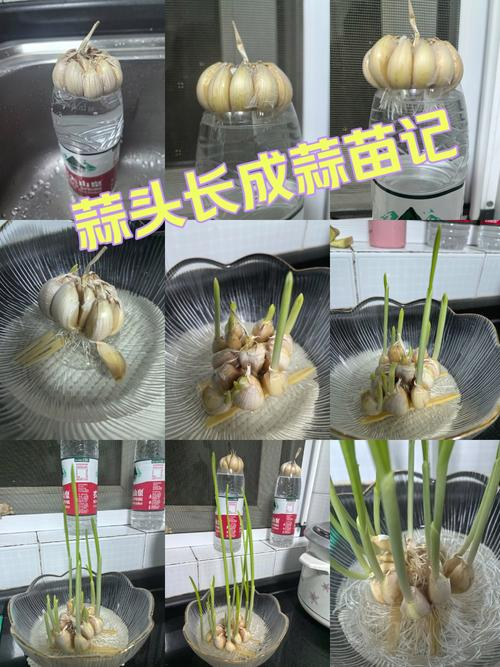
Then we'll do the garlic field management. The leaves are then watered after a slight drying of the surface of the long-term general basin, avoiding immersion leading to decay. If garlic and garlic are to be harvested, water should be duly increased from the beginning to keep the soil humid and before harvesting controlled. In general, each leaf harvest is followed by one run-of-consumable organic fertilizer (e. G., farm fat man and animal dung). They can be removed when they are old enough to eat. In order to collect garlic and garlic, it is necessary to continue normal management, to follow up on fertilized organic fertilizers every 1 to 2 weeks, with care to increase phosphorous potassium fertilizer。
And finally, there's the garlic harvest. Garlic leaves are collected at heights of about 20 centimetres, and smaller plants are usually left to grow and larger plants are removed. It is also possible to cut the plant with a knife in the middle of the day, leaving some 3 to 5 centimetres on the ground and drying it up before normal management. Garlic pickers will dig up the garlic when most of the leaves are naturally dried up and the mantle softens, drying up in the cool ventilated areas for preservation。
These are the methodological steps of garlic cultivation, which are described in the case of almost every household in rural areas, and which are suitable for small-scale family farming, as well as for large-scale garlic cultivation, and which can be taken into account when planting garlic。