


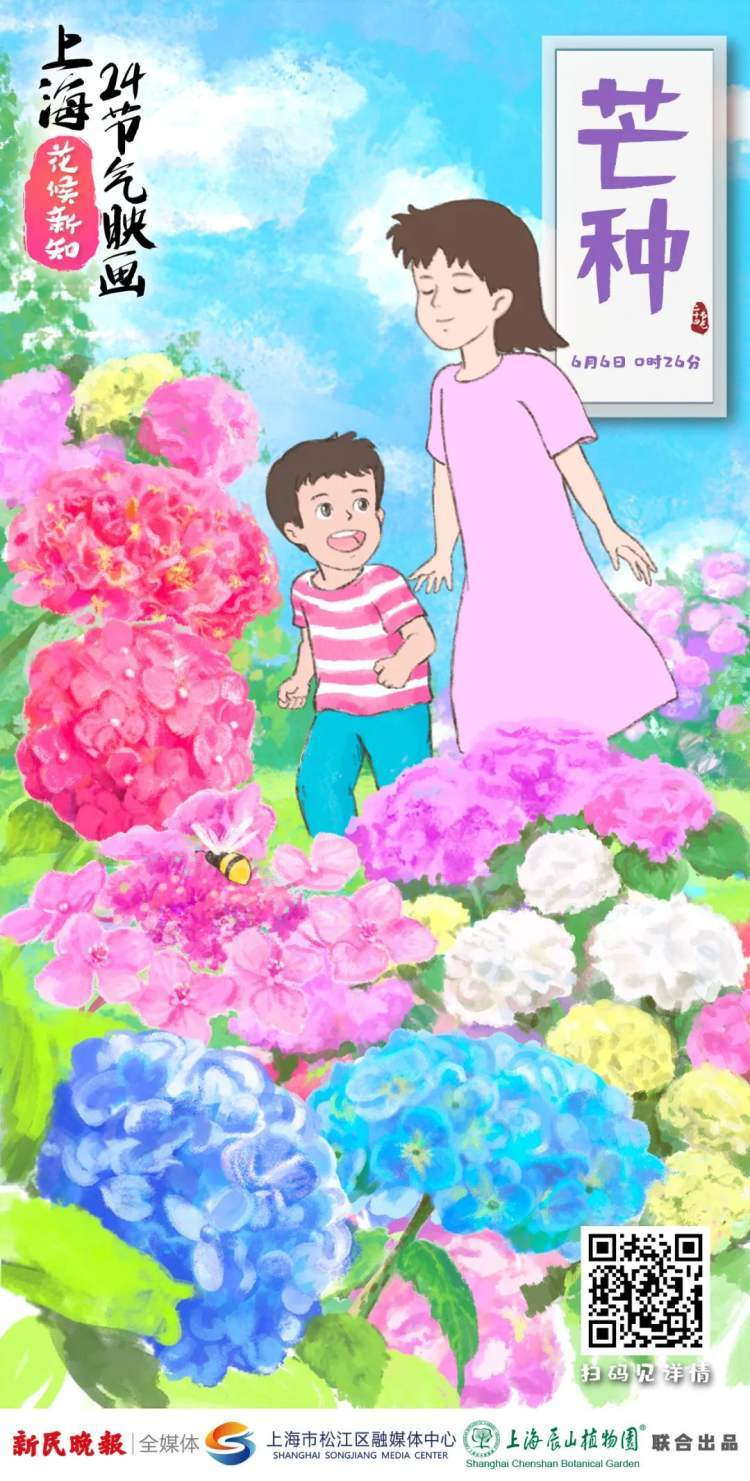
Today is the day of the "mong." every may and june, it's the best time for embroidery. Let's learn how to grow embroidery with the "cloud" flowers with the expert teachers of the shanghai tatsuyama botanical garden
Embroidery and wood embroidery
Are they the same flowers
How do you turn the embroidery ball into a cool blue
Why didn't you open the embroidery last year
If you have the same question in your heart
It’s a good idea to follow the expert on embroidery at the shanghai botanical garden
Here's a plate
It's a lovely and bad flower。
Is it the same flower
Wood embroidery, that's what we used to call the fight and the zonghua, are plants. Wood embroidery balls have the same type of flower and tow-head-type large leaves embroidery balls, all of which have gorgeous bouquets and bright inferno. Plumbing plants, such as wood embroidery, bloom in the spring, with relatively single colours, often light green (precious flowers) and white (fresh flowers)。
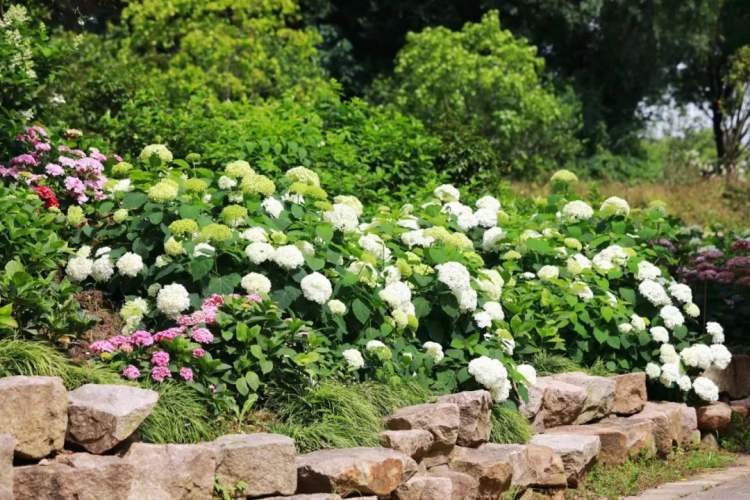
The embroidery ball was formerly part of the tiger eargrass section and the more recent classification system (apgiii) was part of the embroidery flower section. It belongs to the ninja winter and to the pagiii classification system. The two are completely different and related. The flower of the embroidery ball lasts in mid-may and, depending on the type, lasts until august/september。
And the pixie flower is the common name of a variety of species such as large leaf embroidery balls, which, because of its colours, include white, pink, red, blue, purple, etc., is called "occupines", and in japan it is called "twilight sunflowers"。
So, embroidery and wooden embroidery look the same, but different. And the octopus is one of the embroidery balls。
What are the four common types of embroidery
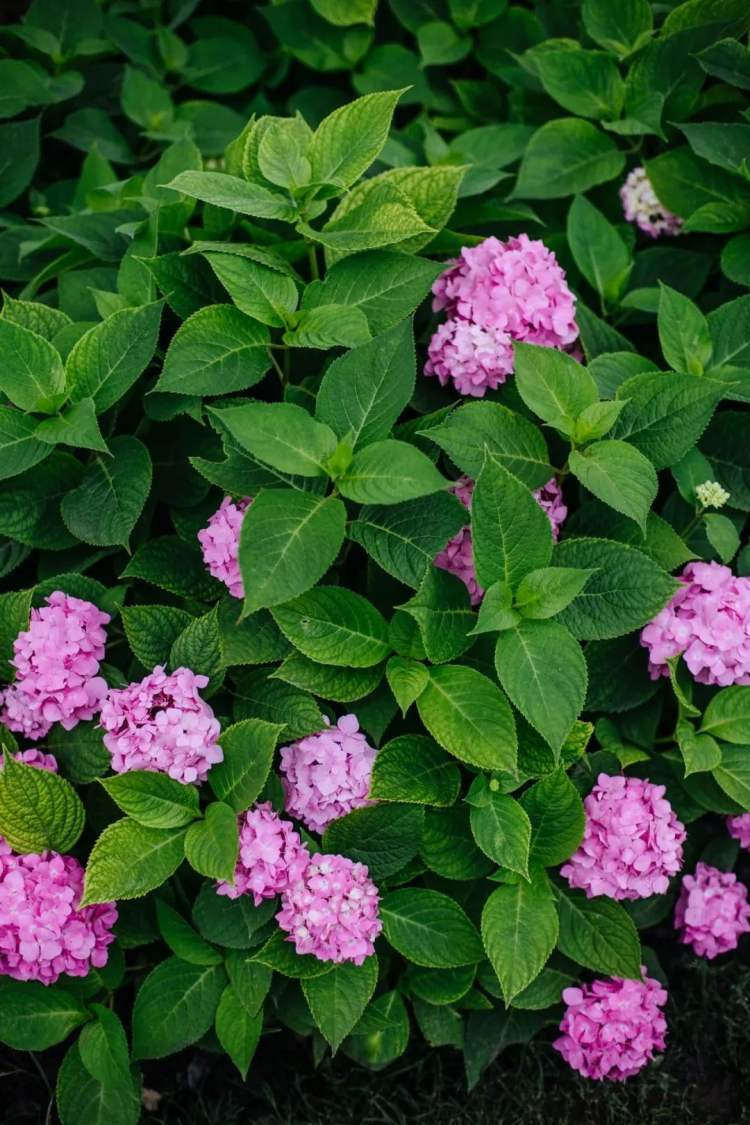
Zhang zhang zhang, technical director of the wood division of the horticultural landscape department of the horticultural gardening department of shanghai, described the four common types of embroidery ball, namely, large leaf embroidery, cone embroidery, gill embroidery and joewood embroidery. Of these, eight plumes have two types of flower, one consisting of infertility, often referred to as “trawling heads”, the other with a circle of impregnable flowers, and the other known as laces。
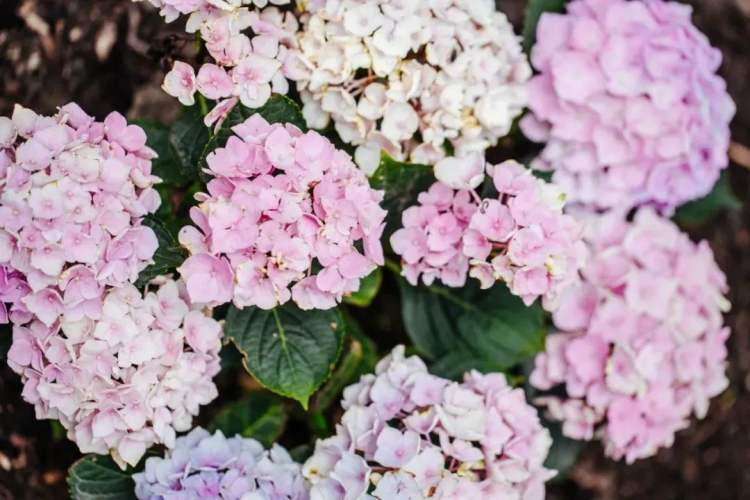
More than 150 varieties, more than 2,000 embroidery balls, were planted in the shanghai tsunshan botanical garden, which ushered in flowering seasons before and after manning. In addition to the usual “unfinished summer” “precious” varieties, there are also good varieties such as the more popular “hamburg” “perfect marys” “full-down” “wanhua”, which last from mid-may to july。
The shanghai tatsuyama botanical garden, which covers approximately 1,500 square metres, is planted under a sprout forest. In addition to the embroidery garden, the main attractions are the pit garden, which exports the tea valleys under the sprouts and north-east of the mountain. According to past experience, embroidery, which usually lasts from mid-may to july, has been affected by warm winters, and some of the embroidery has begun to bloom in early may this year。
How do you turn the embroidery ball into a new blue
Those who have had embroidery know that embroidery needs to be colored. So how do you turn it into the perfect new blue for summer
According to zhang, there are many kinds of embroidery, and the color changes from red to blue. However, both pelvis and ground planting, two conditions are not necessary for colour alteration — the abundance of free aluminium ions in acidic soils and soil matrices。
In shanghai, both surface water and soil are alkaline, so flowers are largely red. To be blue, it is necessary to add appropriate amounts of aluminum sulphate particles to the soil during the bud of the embroidery ball (i. E., at the beginning of spring) and to continue to be ploughed with less acidic water, so that the embroidery ball can turn into the desired blue。
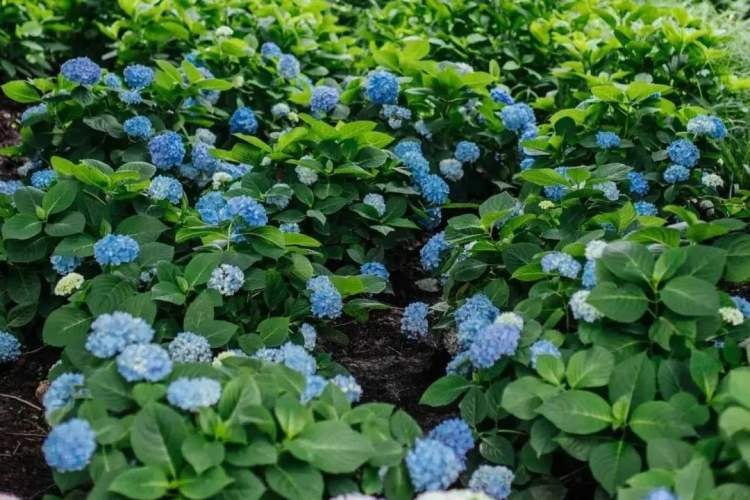
Why didn't they last year
And there's another question that everyone's gonna ask, which is why the flowers were last year and not this year
According to zhang, most of the usual large flower embroidery balls fall into the category of old branches, i. E. Branches born in the previous year. For example, a small number of embroidery types, such as summertime, can bloom in the new branches that were born。
The timing and methodology of the flowering embroidery of the old branch is very important if it is to continue in the second year. The buds of this type of embroidery are divided in august and september, and the cut should normally be made between the end of june and july, with the “old, sick and sick” branch removed. If the cut is made late, for example, after september or even winter, then the budding branches that were formed in that year will be cut off, and the next year will not be spent。
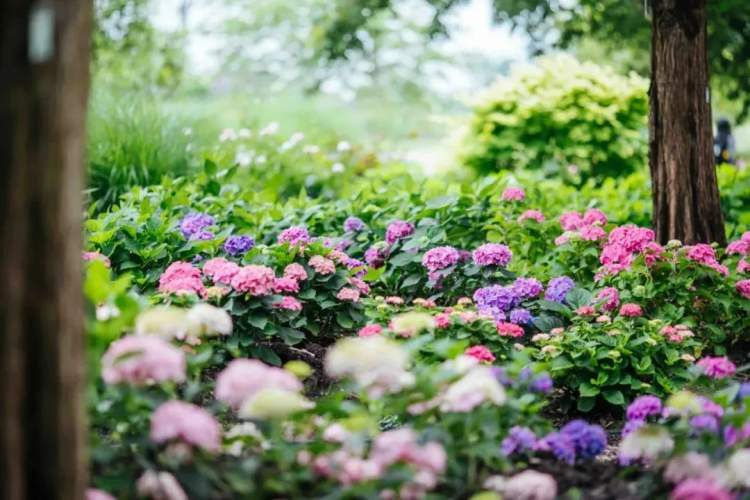
It is also important to note that post-cut fertilizer must be kept up, and that sufficient fertility will help to grow and grow in order to form strong branches and full buds and contribute to the quality of flowers in the coming year. The winter is also warm for embroidery balls, which are planted with enough cover. You know, an outdoor embroidered embroidery ball can be frozen if it meets a low temperature or a “spring cold”。



