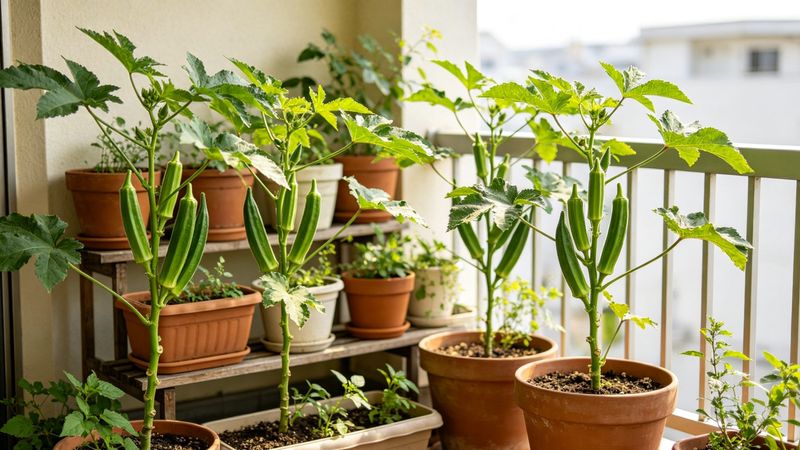
Chestnut, popularly known as chestnuts, is well known as the king of the millennium and has been growing in our country for more than 2,500 years. Of the 26 provinces (districts and cities) in the country, the most famous are the chestnuts that moved west of the river. The amount of starch and sugar in chestnuts is 70 per cent and over 18 per cent, respectively, and is also rich in vitamin c, folic acid and total polyphenol. Its abundant nutrients, combined with sweet, soft and fine colours, have been favoured by domestic and foreign consumers since ancient times. It is called “iron crops”, a grain bank hidden in the mountains, a chestnut tree that defends the well-being of large farmers on the land of china, bears the hopes of the people who have lived on this land for centuries and links the mountain villages to the path of poverty and rural renewal。
It's a new problem in the chestnut industry
In recent years there have been new challenges to the sustainable development of the zen chestnut industry in the country-led area of yanshan: first, the loss of a large number of good, solid, raw-crumbed resources, second, the need to upgrade the technology for the management of zon chestnut cultivation, and third, the urgent need for talent technology in the chestnut industry。
The sugar-cooked chestnut business is gaining ground in the country's streets, and large-scale re-marriages of pre-cooked chestnut varieties have been followed by the market, resulting in the loss of a significant amount of good raw chestnut resources. In rural areas, where the young labour force is studying and working, the labour force is extremely scarce. Chestnut cut-offs, weed removal and chestnut harvests require the employment of workers, the cost of planting has increased dramatically and the efficiency of cultivation has decreased dramatically, seriously affecting the productivity of the chestnut-producing areas and the annual economic income of families. There is therefore an urgent need in the yan mountain region to develop the technology for conservation and selection of the best resources, as well as a light eco-friendly culture. The development of light and light cultivation, improved production and quality of chestnuts, increased crop efficiency, increased income to farmers ' economies and improved consumer consumption, increased share of the region's production of chestnuts in the country's chestnuts, and the influence of international markets have led to a sustained intensification of the production of croaks such as the west as a national model。
The country is currently growing a rich variety of chestnuts, with a total area of nearly 28 million acres, with a total production of over 2 million tons, in the coastal provinces of zion city, in the north-east of the province of jilin, quein district, hebei province, to guangdong, guangxi and hainan, and to the west of gansu, shuxi, east to hebei, shandong, jiangsu, zhejiang and fujian。
Innovative research provides science and technology support
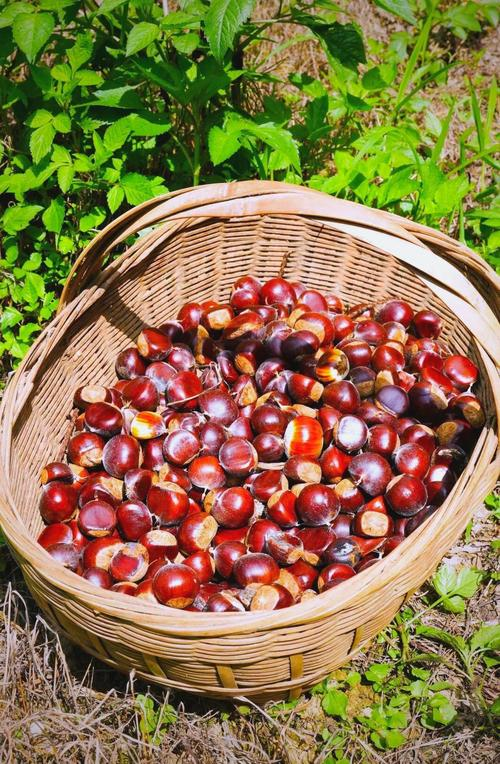
The forestry research institute of the linko institute of china, in association with forest scientists from the hebei region, the huairou chestnuts region of beijing and the head of the chestnut co-operative, has been conducting research for many years on the “technology of the collection and evaluation of crayon species and the development of a light eco-friendly culture”. There has been some progress in research focusing on conservation and characterization in the collection of cilantro-creas resources in the yan mountain region, internal defence mechanisms in the creamnuts, mechanisms for the formation of cilantro quality under different land and planting measures, and the improvement of the technology for the light streamlining of cultivation, providing strong scientific support for the scientific cultivation and upgrading of the chestnuts in the yan mountain region。
The sti team, with the relocation of the western chestnuts region as its core, systematically collects and collects the quality of the western chestnuts, and their compliance and surroundings, has established the western chestnuts reserve, has initially achieved protection of the precious chestnuts in the yan mountains, and has screened one of the most resistant (crystals resistant to drought and indigence) and five new branches of excellence with functional components, laying the foundation for the development of the distinctive species。
In response to the low productivity of traditional tree cutting techniques, the team has developed, after nearly 20 years of mapping and practice, the technique of “phoenix-tails” oscillation, which saves more than 40 per cent of jobs and increases production by 65 per cent compared to traditional technologies。
In response to the problems of excessive reliance on fertilizers and herbicides to reduce the quality of chestnuts and the disposal of chestnut waste, the team developed sub-tree management models, such as waste resourceization and under-forest co-planting. Based on the concept of “gap” cultivation, an integrated set of eco-friendly farming techniques on trees and beneath trees has been developed, the results of which have been patented for inventions and applied comparative experiments are being carried out at the research and development base for good agricultural practices in the west of pancho. After three years of testing and multiple test tests, they were finally certified by the first level of the china quality certification centre。
At present, the technology has been promoted in the form of a demonstration of more than 10,000 acres in the area surrounding the chestnuts and the chestnuts in the hubei and yunnan districts. Not only does the technology have the advantage of increasing and stabilizing production, it also provides markets with ecologically organically healthy, health-friendly chestnut products, which play an important role in supporting rural revitalization。
Technology services for industrial development
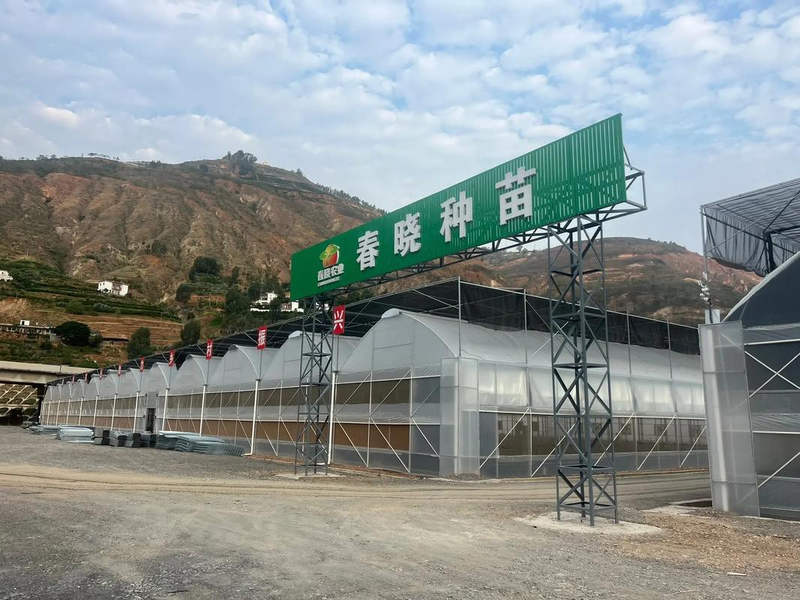
The team focused not only on day-to-day technical training in the region to improve the quality of the local population and the techniques for the cultivation of chestnuts, but also took full advantage of the technical training offered by the national and provincial ministries. At the same time, the team actively applied for a china-china science and technology coordination programme, supported by the science and technology improvement project for rural women in the smart mother panchryon region, to promote women's knowledge of science and technology in the streets and villages of yanshan, such as xinxi, zhanglong and zhonglong。
In the context of operation wisdom 100 county village, the team moved to the chestnut district in western county to form a team of scientific and technical experts in the fields of forest breeding, genetic breeding, technology extension and media, under the leadership of zhang zhang of the chinese engineering institute, to provide intellectual, technical and back-up support for science and technology services。
Science and technology volunteering activities were covered 32 times in various media platforms, including newspapers and new media. During the day-to-day scientific and technical volunteering activities, the team actively trained the population in the productive areas, in which jia yunxia, head of the gosan station of the department of natural resources and planning of the municipality of compliance, was awarded the titles of “students in the countryside of hebei province” and “students in the countryside of the national forest and grass office”, as well as the title of “students in the countryside” in the fifth year of the kama valley cup in western county。
Explore new paths to the chestnut industry
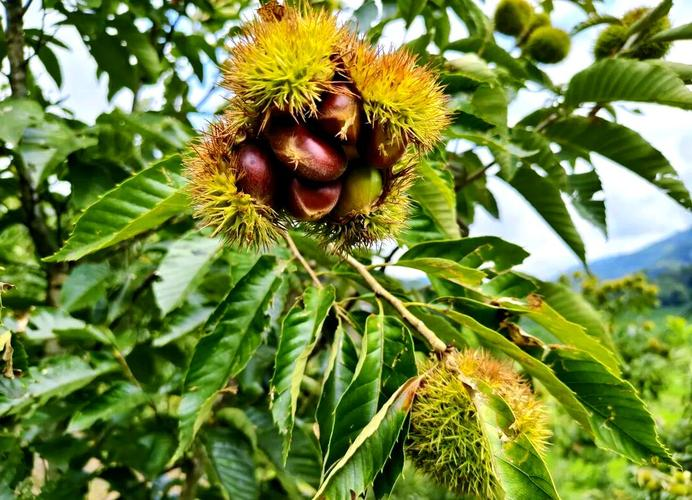
In the future, the team will focus on three studies on bottlenecks in the development of the chestnut industry, based on the research of the current national and provincial scientific research projects on the accumulation of the cyanide-based resources, light eco-friendly cultivation techniques and the ongoing system of high-throughput genetic identification techniques, which will provide continuous and strong scientific and technical support to the national strategy for food security and rural renewal。
The first is to study the molecular basis for the formation and regulation of the criticality of the chestnuts. In-depth exploration of the mechanisms for balancing production, quality and defence of chestnuts under different cultivation measures, the analysis of their genetic basis for resistance, yield and quality formation, the elaboration of regulatory mechanisms for cultivation measures against the high quality of abundance, etc., and the provision of scientific guidance for ecologically friendly and healthy chestnut production in the region。
The second is the development of a precision design platform for breeding techniques. The focus is on the development of genomic markers and functional markers of genetic relevance of importance, such as resistance, yield, quality, etc., for the rapid, precise and efficient identification of functionally enriched, inert, multi-resistant and new species, and the development of groundbreaking new varieties and species that meet industry needs。
Third is the establishment of a system of smart seeding techniques and the optimization of light and simple cultivation techniques. (b) breaking the technological bottlenecks of non-sexual reproduction, such as thawing and grouping, to achieve a no-sex-scale fertilization of seedlings and to optimize the development of light and high-efficiency gap cultivation technologies suitable for different types of land-based production, increasing demonstration promotion and technical training and increasing the efficiency of chestnut plantations. (students)