In life, older persons, because of their slowness in accepting new things, are often the main target of fraud, especially in the summer, when many of them prefer to go out to pay, give them the opportunity to abusers, who are easy to believe blindly, especially by “authority experts”. “experts” often speak of expertise that older persons have not heard of, make older persons feel seriously ill and use it to commit fraud. How should we prevent the elderly from being tricked by liars to save years of sweat while we repulse them? Let's take a look at how fraud is common to older people。
1. Pension investment. Liars first rent high-grade writing buildings and elaborate them, and then fabricate “investment projects” to spread. When older persons come to consult, “experts” are present to explain the background of the industry, market trends and attract investment from older persons at high interest rates. Sometimes small gifts are given to gain the trust of the elderly, and once the elderly invest a lot of money, the fraud disappears。

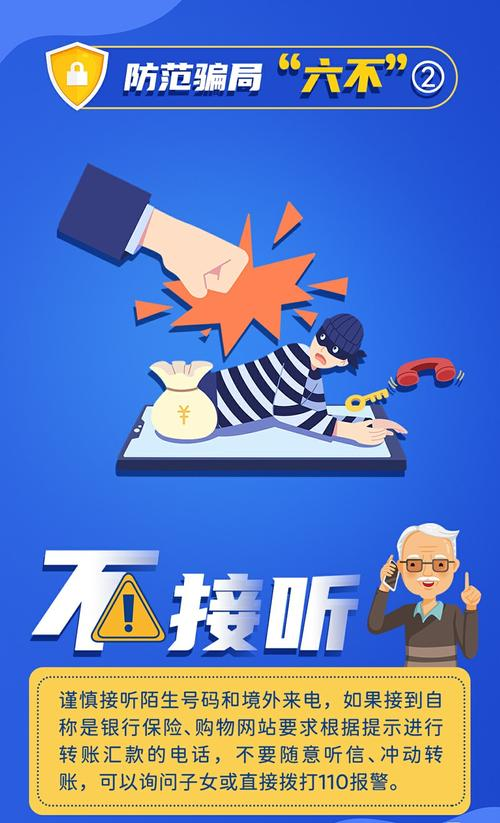
2. Liars impersonating state agents. Liars are first targeted, and victims are mostly the elders with their children in the field. In order to prove their innocence, fraudsters who pretended to be agents of the state, such as the public prosecutor's act, claimed that the victim was unknowingly suspected of having committed a crime and used the opportunity to intimidate the elderly, who, on the advice of the fraudster, transferred money from their own accounts to a so-called “safe account” for investigation, which was deceived。
3. Health as bait. In the name of events organized by social organizations, fraudsters make telephone calls or enter small areas and apartments in the name of free publicity, mostly by inviting older persons to attend “free medical examinations” or “advocacy clinics” to conduct “challenges” to brainwash older persons and induce them to buy fake medicines or physiotherapy devices。
The chinin network police warns that older persons are expected to pay more attention to fraud-prevention campaigns in the media, community newspapers, publicity boards, etc., and to be aware of and vigilant about the various current methods of fraud. Keep your head clear, don't be greedy, don't believe in lies. When someone asks you to pay, pay attention, and you can't send your money out easily. We need to talk about things. When you cannot tell the truth, you must make a phone call to the children or tell the neighbours to talk to you。