With the summer heat wave gradually retreating, the cool autumn wind also brought about a concern for many parents — childhood fall diarrhoea。

Between september and november of each year, many babies suffer from vomiting and diarrhoea, and parents are often concerned. What's the reason? What should we do? Today we come together to understand this。
What's autumn diarrhoea
Autumn diarrhea, medically mostly referred to enteric inflammation caused by pathogens such as rotavirus, was named for its high incidence during the autumn winter. Infants between the ages of six months and two years are commonly affected by acute gastrointestinal infections. In addition to rotaviruses, similar symptoms can occur in the case of nonaviruses, gland viruses, etc。


Characteristics of the rotavirus

Transmissible: it is transmitted mainly through “shit-mouth” and easily through contaminated hands, toys, etc。
Environmental resistance: the virus has a long life in the environment and needs to be prevented by good hygiene practices。
Immunization protection time is limited: antibody protection after infection is shorter and may re-infect。
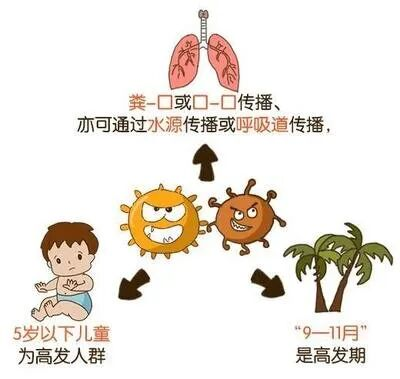
How do you recognize the fall diarrhoea
Typical symptoms
(i) an emergency with frequent fever
2. Vomiting, diarrhoea, shit with water or eggs and soup
3. Dehydration may occur, such as drying, low tears and reduced urine。
4. If the baby is found to be bleeding, with a high fever or in a poor mental state, be treated in a timely manner。
Treatment core
Diarrhoea in the autumn is a self-restricted disease, with no special drugs at present, and treatment focuses on prevention and correction of dehydration。
Rehydration is the key
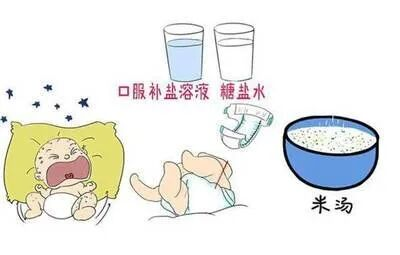
Preferred oral rehydration salt (orsiii), adjusted by instructions, with a small number of times fed
In the event of dehydration or lack of oral rehydration, visit the hospital in a timely manner。
Reasonable use of medication
(b) the use of drugs such as demolite, fungi, etc., as prescribed by the medical authorities
Avoid the abuse of antibiotics and refrain from the random use of powerful laxatives。
Dietary adjustment
(b) continue breastfeeding or formula feeding, with the addition of complementary foods that can be easily digested
Milk powder without lactose can be temporarily replaced to avoid high sugar and fat food。
Home care and prevention
Clean your hips in time to prevent red ass。
Carefully wash your hands before and after taking care of the baby and clean up your things。
Avoid cross-infection within the family。
Vaccination against rotavirus is an effective means of prevention。
Develop good hygiene habits and be careful to keep food clean。
Parents should remain calm in the face of the baby's fall diarrhoea, take care of the rehydration, rational use of medication and dietary adjustment, and closely observe the child's mental state and urination. In the event of continued vomiting, diarrhoea, dehydration or other anomalies, please visit the hospital in a timely manner。
I hope every baby
Healthy all autumn