In the course of photographic learning, the analysis and dismantling of excellent photographic works is an important method of upgrading their own photographic skills. By carefully observing and studying the work of others, we can understand the images, the light, the colours and the emotional expressions, and thus apply these techniques and ideas to our own creation. Hyson's class will elaborate on how to analyze and learn from excellent photography。

I. Selection of works of excellence
1. Works of prominent photographers
First of all, some well-known photographers are selected, which usually have high artistic value and technical content. Ansel adams, for example, and henry katiebresson, for example, are classics worth learning。
2. Theme and style
Select the best works in question according to their interest and style of filming. For example, if you're interested in human photography, you can choose the works of some famous human photographers; if you like wind photography, you can choose some classic photo。
Ii. Statistical analysis
1. Three-part rule
The triangulation is the graphic technique commonly used in photography. See if the subject of the work is on the tripoint and how the background and prospects are distributed. The use of the analytical trilogy can help you understand the balance and visual appeal of the work。
2. Orientation line
The guide line is the line that guides the viewers in the image, such as roads, rivers, bridges, etc. Watch how the lead lines in the work are used, how they guide the audience and enhance the depth and hierarchy of the images。
Symmetry and framework
Symmetry and frame mapping are also common building techniques. See how symmetrical and frame elements in a work increase the beauty and stability of the picture。
Iii. Photoanalysis
1. Light source orientation
Analysis of light source directions in the work. Is it natural or artificial? Where's the light coming from? Different light directions, such as front light, side light, reverse light, can have different effects on the image。
2. Light mass
Watching the quality of the light, hard or soft? Hard light usually produces visible shadows and high contrasts, while soft light produces soft shadows and low contrasts. Analyzing the quality of light helps you understand the emotional expression and atmosphere of the work。
3. Photo-effects
An analysis of the photo effect of the work. How can the light shape the subject and increase the 3d and hierarchy of the picture? How does the use of light enhance the dramatic and emotional expression of images
Iv. Colour analysis
Hue and colour matching
Watch the color and color mix of the work. Is it cold or warm? Is the mix of colours harmonious, and is there a sharp contrast? The use of analytical color helps you understand the emotional expression and visual impact of the work。
Saturation and contrast
Analyse the colour saturation and contrast of works. High saturation and high contrast colours usually produce strong visual effects and emotional shocks, while low saturation and low contrast colours produce soft and quiet effects。
V. Federation and story analysis
1. Subject and emotional expression
Watching the material and emotional expression of the work. Who's the subject or what? What kind of emotion or story does it convey? Analysis of the emotional expression of the work helps you understand the creative intent of the photographer and the intrinsic value of the work。
2. Details and symbols
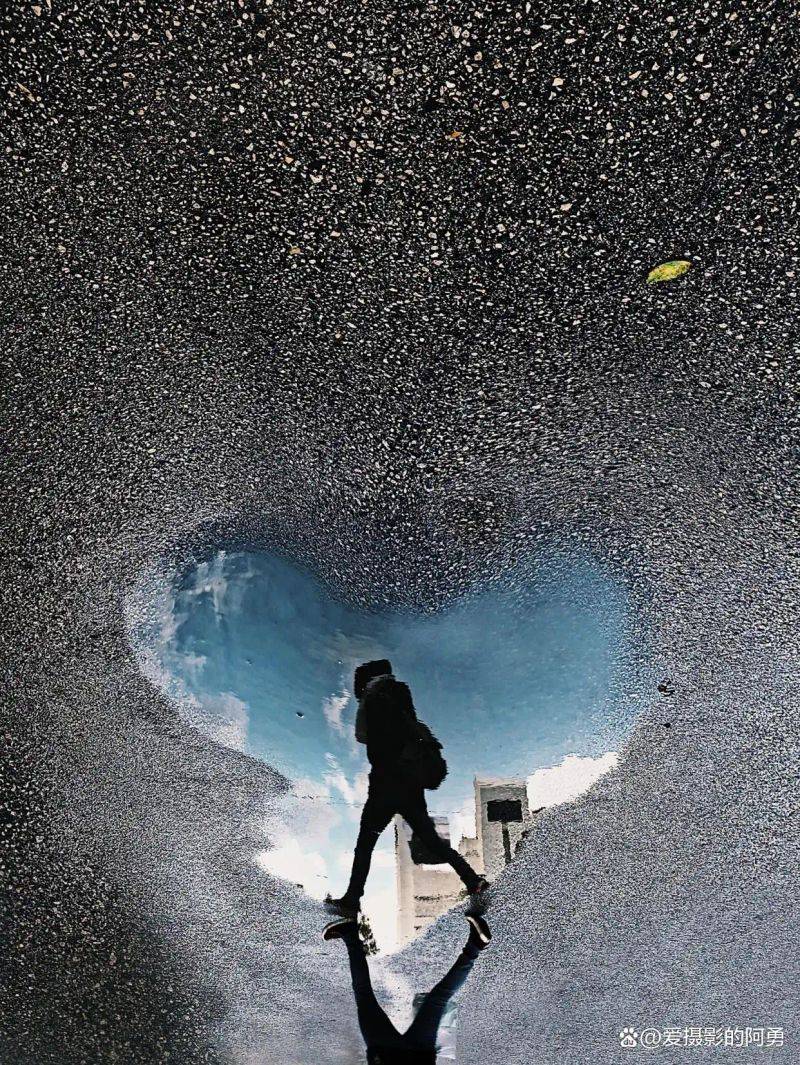
Analysis of the details and symbols in the work. How can details and symbols enhance emotional expression and storytelling? For example, the eyes and expressions of a person in a photograph, the light and colour in a picture of a person, are important elements in conveying emotions and stories。
Technical analysis
Exposure and focus
Analyse the exposure and focus of the work. Is exposure accurate? Are there any details of the bright and dark parts of the picture? Is the focus clear and the subject prominent? Analyzing exposure and focus can help you understand photographers' skills and creative intentions。
2. Post-treatment
Analysis of post-processing effects of works. Are the works processed later? How can post-treatment enhance image effectiveness and emotional expression? Analyzing later processing can help you understand the creative processes and technical applications of photographers。
Practice and application
Imitation and learning
Following the analysis and dismantling of outstanding works, it is possible to try to imitate and learn from their production techniques and creative ideas. By imitation and practice, these techniques and ideas can be better understood and applied in their own creation。
2. Summary and reflection
Summarize and reflect on the process and work of the film. Compared with good work to identify its shortcomings and directions for improvement. Continuous stock-taking and reflection can help you to improve your photography。
Concluding remarks
The analysis and dismantling of excellent photographic works has allowed us to understand in depth the techniques and concepts of photography, the use of light, colour and emotional expression. Applying these techniques and ideas to their own creation, and continuing to practice and summarize them, is bound to enhance their photography and produce more excellent works. It is hoped that this paper will serve as a useful reference and help for your photographic learning path。