


Prince zhu qin is also known as ginseng, cucumbers, cabbage, rice ginseng, the dry roots of the ginseng plant, which taste, bitterness and sex. Spleen, lungs. It's got a good temper and a good lung function. They are used in the provinces of fujian, shandong, anhui, jiangsu, etc., and are used as the main source of pharmaceutical products such as diet tablets. In recent years, as people's awareness of water supplies and health care has increased, the demand for prince zin has increased, and prices on the domestic international market have continued to rise, contributing to the rapid expansion of cultivation. Before planting prince zin, we need to understand how prince zing can grow and how to combat pests and diseases. So what's the point of prince zin's cultivation technique? How do we combat pests and diseases?
I. Election of the land
The selection of the surrounding ecologicalally superior hill slopes or higher flats requires estrangement of fertile, well drained and corrosive sandy soil. Rotation, retrofitting, ex-employer crops, which require early ploughing to fertilize the soil and then plaster it. The length is 1. 3-1. 5 m, the height is 20 cm, the drain is 30 cm wide, and the face is in the back. Low terrain and poorly drained plots should have high-level swirl and, conversely, flat-swirl, which would have facilitated water irrigation. The soil is disinfected with 100-150-fold ff or 50 per cent thionate emulsion 7. 5 kg/hm2 in 800-fold fluid before seeding, anti-terrestrial pests are treated and about 9 m seclusion belts are made. Crops such as tobacco, tomatoes, beans, potatoes, cabbage, cabbage and soybean are not allowed in the surrounding environment。
Ii. Cultivation methods
1. Root reproduction
Prince ginseng breeds in blocks. The seedlings from the summer fields are excavated prior to planting, and are picked at the same time, using the roots of the plume as seedlings that are fully germinate, fertilized, unharmed and infested, while others are processed as commodities. The seedlings that are recovered from the home should also be selected for seedlings with full buds, large cucumbers, strong, disease-free and pest-free。
2. Cultivation
When growing up, the floor is cut with branches 5 to 6 cm long, each with 2 to 3 nodes, all of which are inserted into the ground and the top blades are exposed to the ground; 7 to 10 d roots are inserted。
3. Seed reproduction
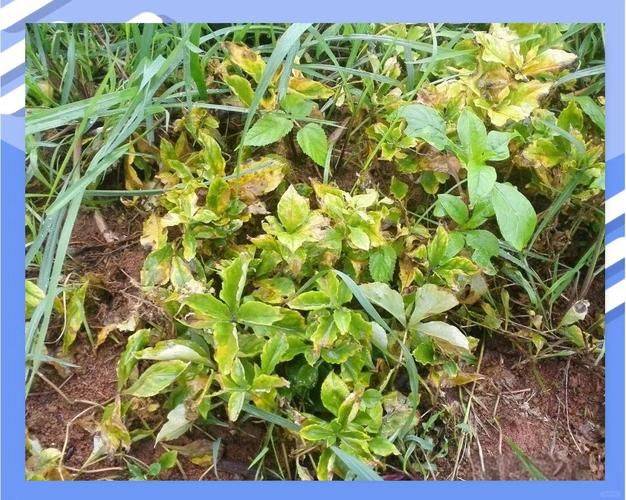
The hyenas of the princes are fragile and the seeds are not easily collected, so they are grown in situ using naturally dispersed seeds. After harvesting ginseng in the field, a rake is used, a fat one is applied, a radish and cabbage is planted, and after harvesting, it is applied. Seeds that had landed in the second spring had sprung up, and three to four leaves could be planted or planted in the autumn. Seed reproduction, with only one conical root in that year。
4. Deplantation shizuku
On a well-established surface, open a deep five to six centimetres deep along the longitudinal gutter, with the slants on the side of the gutter, with the budding in the same position, 6 cm from the surface, commonly known as “up and down”. Opening new ditches 12-15 cm by row, the excavated earth will be covered in sown ditches, re-planted in the new ditch, planted in turn, and the face will be turned into turtle backs. Plant 30 to 40 kg/667m2. This law is called sloping or planting. Plantation may also be laid in a ditch, where the head is connected, with six cm of thick soil, known as a flat or sleeping plant, at the same distance. The thickness of the breeding soil is quite important, and it is too deep, very small in number, low in yield, too shallow in size and poor in quality. This method is very productive and widely used。
Iii. Field management
1. Weeds
Once the seedlings are out of the ground, the shallow pine soil is once, and the rest of the time is used for weeding. Then it was sealed after the summer, and only the grass was uprooted, and it was not allowed to produce herbs, so that the roots would not affect growth。
Following fat
The number of fat pursuits determined by the growth of the plant, the water-filled rare human urine (1:5) or the application of compound fertilizer (50 kg/667 m2) before the rain to promote growth。
3. Peasant
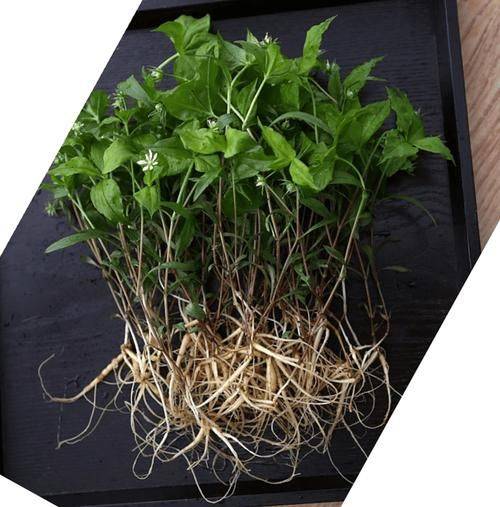
In the early springs, the soil will be scattered over the face of the earth by the gutter, or the earth will be grown from its guest soil, which is less than 1. 5 cm thick, to promote the roots of the roots。
4. Drainage
The prince is afraid of flooding and, when water accumulates, it is prone to decay, so that the ditches must drain. In times of drought and the rainy season, attention should be paid to irrigation, maintaining the soil wet and conducive to growth and growing plants. Prevention of foot-stamping to soak water as to avoid rotting death。
Iv. Pest management
1. Diseases
Root decomposition: high-temperature, wet, hot weather, prone to the disease. Method of prevention: the selection of well-drained and ventilated plots can reduce the incidence of the disease; the strain is administered with more than 50 per cent of the fungus or 1,000 times the methyl tobzin。
Leaf plaster disease: this disease is prone to heavy spring rains and causes death from atrophy in severe cases. Method of prevention: prevention and treatment of bordo acid spray at 1:100 times during the pre-disease period, as well as of humid powder at 800 times 65% of the ammonium dyson, with one spray every 7-10d and two to three。
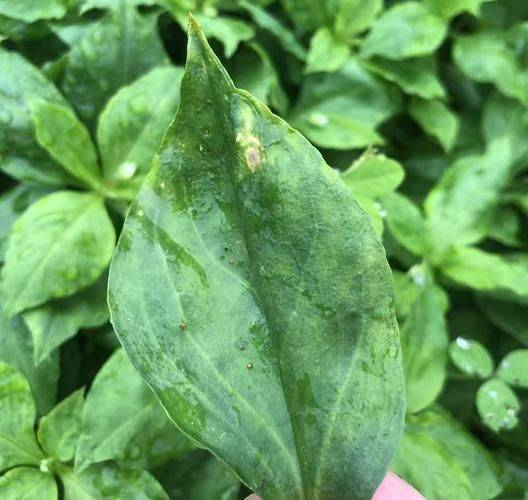
Foliasi: this disease is caused by the virus, with the affected leaves in the form of flowers, a shrinking plant, smaller roots and lower yields. Methods of prevention and treatment: care to combat pests such as aphids that transmit the virus, the selection of non-pathic plants to be planted and replaced。
2. Pests
Small tigers: common-named skins, root-cutting worms, etc., are found in the night moths, causing extensive damage to a wide range of plants, larvae of one to two-year-olds chewing their leaves and flesh day and night, lurking in the soil after three-year-olds, causing serious damage to the roots of the seedlings at night and often causing serious damage to crops. Method of prevention and treatment: a decoy of 5 kg of trichlorfon 5g plus 90% of trichlorfon crystal 100g is used as bait or 90% of trichlorfon crystals 1,000 times the fluid is administered in the afternoon。
蛴螬: one generation per year of larvae and adult insects in the subterranean subterranean layer is closely associated with the warm moisture of the soil, which is severely affected by the high humidity of rained soils and the application of underfertilized fertilizers. Methods of prevention and control: 2. 5 per cent of plentiful 600-fold liquid spray, or 150 g of suitable fine soil application, or 5 per cent of the thiophos-methyl particles 1 - 1. 5 kg plus 15 - 30 kg of fine soil scattered on the bed soil and planted behind it. Serious use of 50% of octhion 1,000 times or 80% of trichlorfon 800 times root 150-250 ml。
蝼蛄: a generation occurs in the northern part of the country for two years, and a generation in the south for one year. The following spring has risen to surface hazards, with april-may as the spring peak and 2 to 3 months of activity in protected areas. September-october. Method of prevention and treatment: fryed thallium 5kg plus 90% trichlorfon 30 times the chromium, mixed with water, 2kg for each 667m2。
Gold needle worms: in 2 to 3 years, one generation of larvae and adult infestation occurs during winter in the soil, during periods ranging from late march to mid-april, during the day in the topsoil, with eggs mating at night to hatch in the early part of may, and the old larvae in the 16 to 20 cm deep layer. In mid-march, larvaes began to operate at 10cm to 7°c deep ground temperature, with 15. 1 to 16. 6°c the worst hit, and after late october, they ceased to suffer as the temperature fell. Method of prevention and treatment: before seeding, 50 kg of soil was dried up with 3% of millory particles 2-6kg/667m2 and 20 cm deep。
Termites: many species of indigenous termites are able to extract the roots of their plants, especially the plumes and roots. Method of prevention: 20 packs of 6672 m2 with termite bait。



