


1. Growing habits
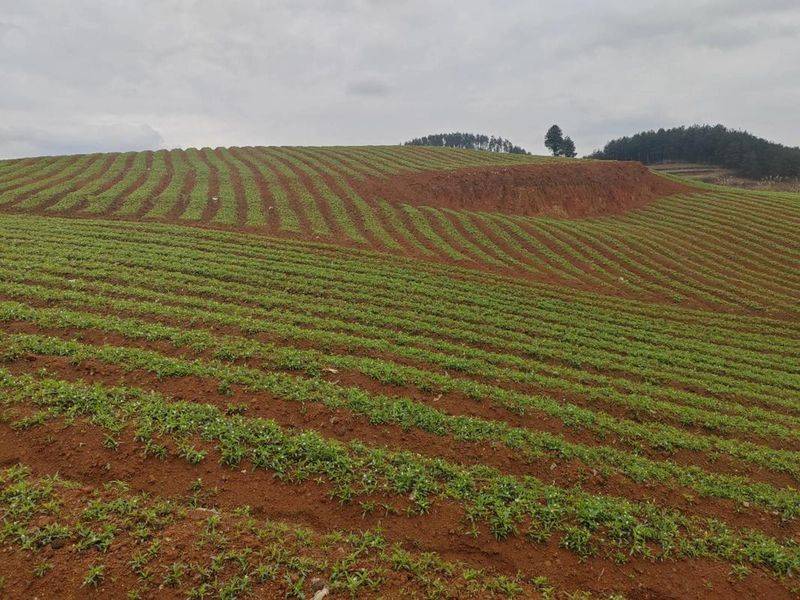
Prince ginseng is more drought-resistant, but warm, wet growing environments enable it to grow better. Fearing high temperatures and strong sunlight, growth thrives at 10-20°c on average, growth stops at more than 30°c at late-stage temperatures, and the plant starts to decay late in june and sleeps longer than summer. Prince cucumbers are growing well under damp conditions, heaviness and laxity, rich in fertilized soils, and in sandy soils. Low-water, adhesive, solid soil, poorly drained water and low soil decay. Born 800 - 2700 metres above sea level, under the humid areas of the valley forest. Heavy clay and low-lying water are not suitable for cultivation。
2. Reproduction methods
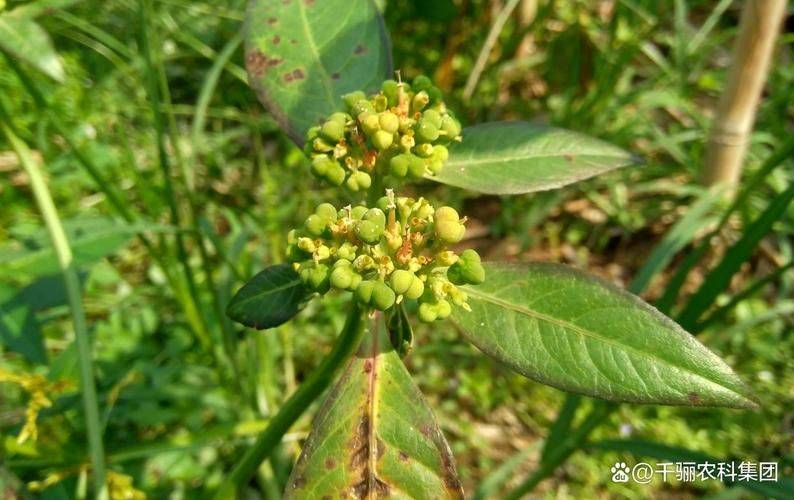
The reproductive methods of prince zin include root and seed reproduction, which are generally not used because they are harvested one year later. The choice is to plant strong plots on the ground, to plant vegetables or beans and herbal herbs in april and may. The summer-hot climate is a period of booming growth, which provides a shade for the prince and reduces the temperature and makes the prince safe for summer. In the fall, the sprouts were fully and fully fertilized. The growth and development of the crown prince zing is affected by the need to be careful not to be too deep or too shallow。
3. Pest management
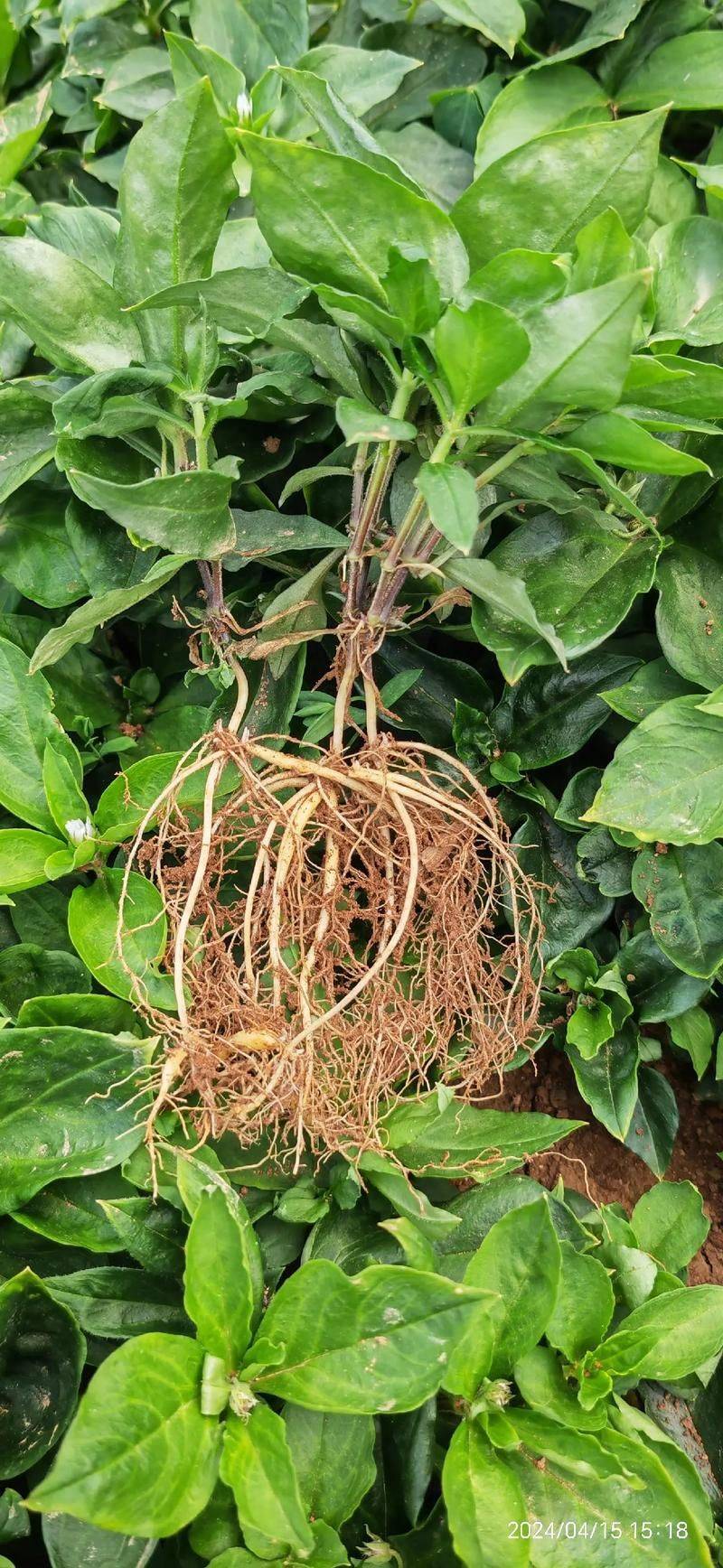
The diseases of prince zin are mainly folic and root diseases. Leaf spots occur in the month of april-may, with round brown spots on the face of the leaf and severe death of a plant, and can be sprayed with 1,1° 100 bord fluid, or 50% more than 500 to 1,000 bollocks per 10 days, twice in a row; roots of decomposition occur during the high-temperature and wet season, resulting in the death of a rotten root and should be drained in a timely manner after the rain, or be administered with more than 50% more than 1,000 fertilizers; and foliage causes foliage and lower yields, with the choice of non-synthetic and increased phosphorous potassium fertilizer。



