[parameter description]
Production-free techniques:
One, matrix is simple and broad
2. Nutritional fluid configuration
3. Fertilizer ratio management
4. Plantation facilities
Product introduction
Different patterns of soilless cultivation, different crops, different stages of growth, different temperatures must accurately control the proportion of water fertilized irrigation, concentrations, acid alkalinity and nutrients, which are the world's most accurate and deep cultivation techniques。
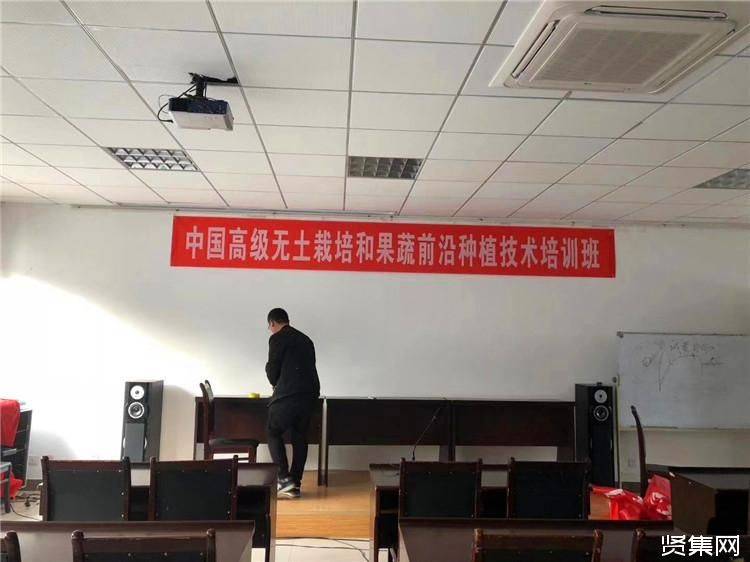
I. Earth-free techniques
1. Fundamentals, strengths and weaknesses of soilless cultivation and future trends
2. Lifelight and soilless development: cooperation with the chinese institute of science and research, cooperation with the netherlands, practical exploration of innovations and promotion of lifelight
3. Dutch tampons and coconuts and israeli water production techniques
4. Non-earth-planting techniques for the organic matrix of the chinese agricultural institute
5. Various soilless techniques: hydroponics, fog, plant plants, plumbing, tidal cultivation, archipelagic cultivation, and co-existence
6. Landless techniques for displaying techniques: tree-forming (sand tomatoes, eggplants, peppers), giant pumpkin cultivation, aerial cultivation
7. Vegetables in the basin, for classification purposes, and planting techniques
8. Technology for the production of condensed pelvis
9. Best species selection for tourism extraction and best cultivation of vegetables
10. Control of the root growth environment: temperature, soil or matrix solution concentrations (ec values), acid alkalinity (ph values), control of light intensity and conditions of morbidity
Plant growth requires functional descriptions of organic nutrients and mineral nutrients, symptoms of deficiency and hazard. (c) the absorption and internal storage of fertilizers and the lack of fertilizer
Proportion of plant ore nutrients in demand (on the hazard of disproportionate proportions); ratio of organic nutrients, such as amino acids, yellow acids, organic matter, to essential mineral nutrients
13 - the absorption of fertilizers, the principle of resistance and the resulting disease, the relationship between root and passive absorption and leaf absorption to the concentration of fertilizers, and the relationship between fertilizer use and effective light
14. Control of the ec values at various stages of plant growth and in different seasons, simple concentration or weight multiplier control; control of hydroponics, fog, matrix, soil and melon fruit, eggplant, leafy, strawberry fertilization and concentration (ec value), effects on plants of enrichment of fertilizer solutions
A formula for calculating the total application of fertilizers, which is controlled daily by the weight of the fertilizer in different seasons and stages of growth
16, control of liquid alkalinity (ph) for fertilizer irrigation, classification and application of physical and physico-alkalin fertilizers
17) nutrient fluid formulation techniques: soilless ab fertilizer principles, bottom + fertilizers; traditional formulations (ab fertilizers) and configuration techniques for various plant nutrients
18. Integrated technology for hydrofertilizers — control of content of hydrofertilizers, manufacturing principles, integrated feeding methods for hydrofertilizers, choice of water soluble fertilizers, choice of pesticides, cultivation patterns, irrigation conditions and control methods
The principles of plant roots, water-crawling, fertilizer control, root agent, and damage restoration
Technology for the treatment and configuration of plant-based matrices
21. The relationship between the use of the matrix (deepness of the gutter) and the conservation of water, the determination of the quantity of primary irrigation, control of the dry and wet phase and the number of irrigations in different matrices; the relationship between the timing of water preservation of the matrix, permeability and the availability and frequency of water-composed, soil-free irrigation
22. The creation of a foundational eco-improvement technology and root-planting eco-environment, the selection and formulation of an ecological matrix free of soil cultivation, the re-use of microbiological decomposition matrix roots and the re-use of the matrix
23: the principles of re-flow of nutrients, the techniques of non-reflow of nutrients, and the methods of eliminating salt hazards
24. Suitability and morbidity of the space-growing environment (light intensity, temperature, humidity, carbon dioxide concentration); control of the growth environment (water fertilization, ventilation, heating, light recharge)
25. Production management techniques in uncontrollable situations: low-temperature barriers in root or space environments, medium- and low-temperature, high-temperature drought. (a) low-temperature short-day photographs of the space environment, long-term low-temperature weather, consecutive snow and snow rains, and high-temperature long-day photos
Description of production facilities for precision control in the growing environment: classification of greenhouses, sheds suitable for different climates and classification of temperature control equipment
27. Technology for the application of precision control of agricultural product networking devices in the growing environment
28, tomatoes, cucumbers, peppers, melons, leaves, soilless farming protocols。
Ii. New and modern organic farming technologies
The cost of soil improvement for traditional organic cultivation is high, with low production of organic bottom fertilizers and numerous pests。
1. Creation of a safer, cleaner and better production environment than soil using soil-free training matrices
2. Better quality and higher production of agricultural products with organic water solubility that simulates corrosive and grasswood ash nutrients
3. Improvement of quality with organic foliage and drought (seed-filled tomatoes, watermelon sands)
4. Ecological control of pests and diseases with water fertilizer and herbal medicine, free of agricultural disabilities and safer。