


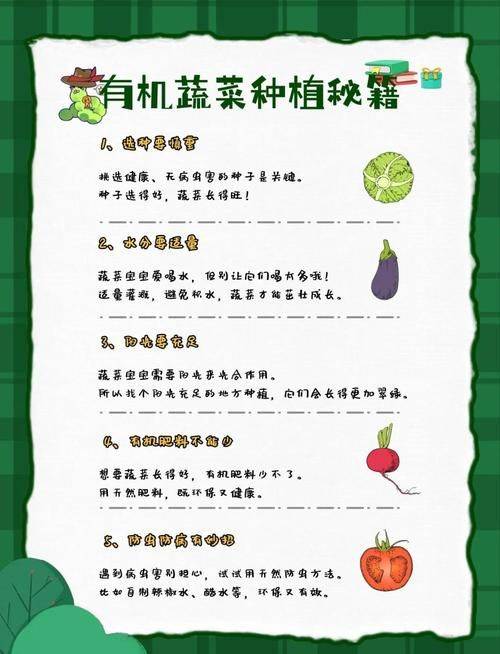
1. Varieties selection. Before growing, organic vegetables are selected for varieties and seeds. It is preferable to choose the types of vegetables suitable for the season and soil, such as spinach, carrot, soybeans, taro, celery, pickles, garlic, onions, etc. Seeds must be of a formal nature, more resistant to disease and pests and not genetically modified components。
Production bases. The production base for organic vegetables should be a complete piece of land, which cannot be mixed with conventionally produced plots, allowing for organic conversion; the production base must be clearly marked along the boundary with conventional plots, such as rivers, hills, artificially constructed barriers, etc. Moreover, parcels are kept far from contaminated areas such as urban areas, mines and industrial areas. Organic vegetables are subject to a two-year conversion period, and the following vegetables are sowed to become organic vegetables。
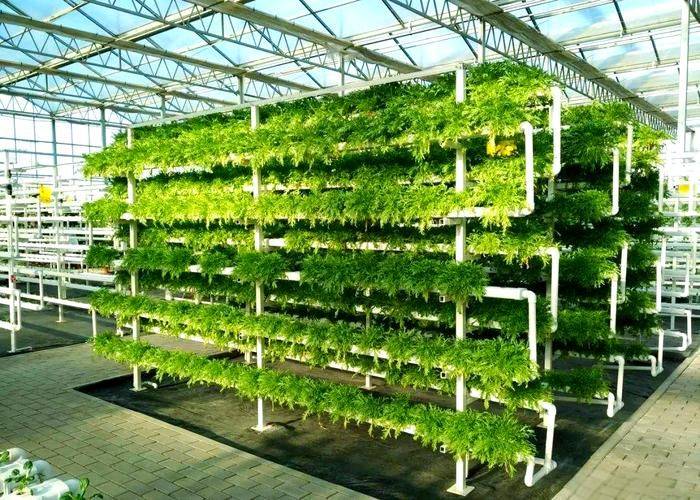
3. Plantation management. The cultivation of organic vegetables must be strictly managed, with timely technologies such as garden cleaning, seeding, grafting, membrane cover and plant adjustment. Crop rotation is achieved by making full use of the conditions of light, humidity and temperature. Provide a strong environment for organic vegetables, thereby increasing their production。
4. Fertilizing. The requirements for the use of organic vegetable fertilizers are higher than those for conventional vegetables, and the use of organic fertilizers and the cultivation of green fertilizers, including animal faeces, green fertilizers, grass-wood ash, pie fats, biofertilizers, etc., are permitted. The two months before fertilization is applied require harmless treatment。
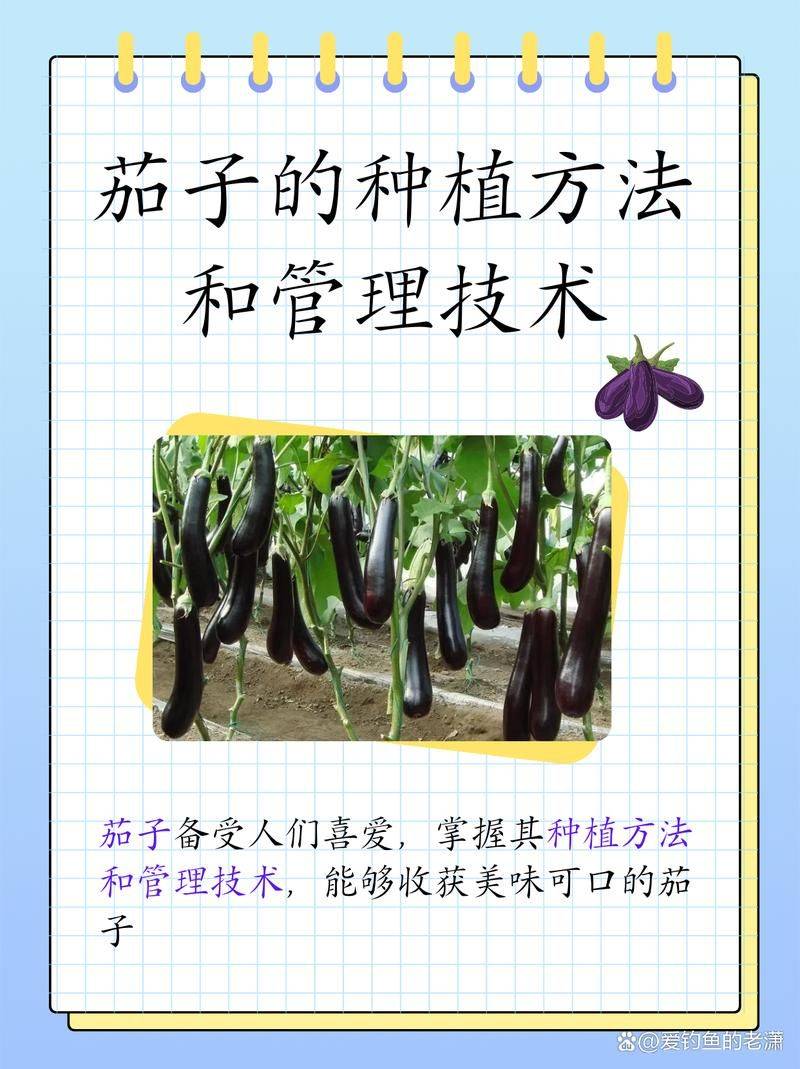
5. Pest control. Organic vegetables are products that prohibit the use of chemically synthetic pesticides and genetic engineering techniques. So organic vegetables need to choose a highly resistant species. Measures such as high-temperature disinfection, rational rotation management, protection of natural enemies, etc。



