


The seals are at home, and many citizens are concerned about the small variety of vegetables they buy and the slow delivery of vegetables. In fact, there is no need for special planting techniques and materials, but the best vegetables such as celery, lettuce, garlic, onion leaves and radish leaves can be grown in the nearest week, using the leftover roots of cooking in the home or other available food。
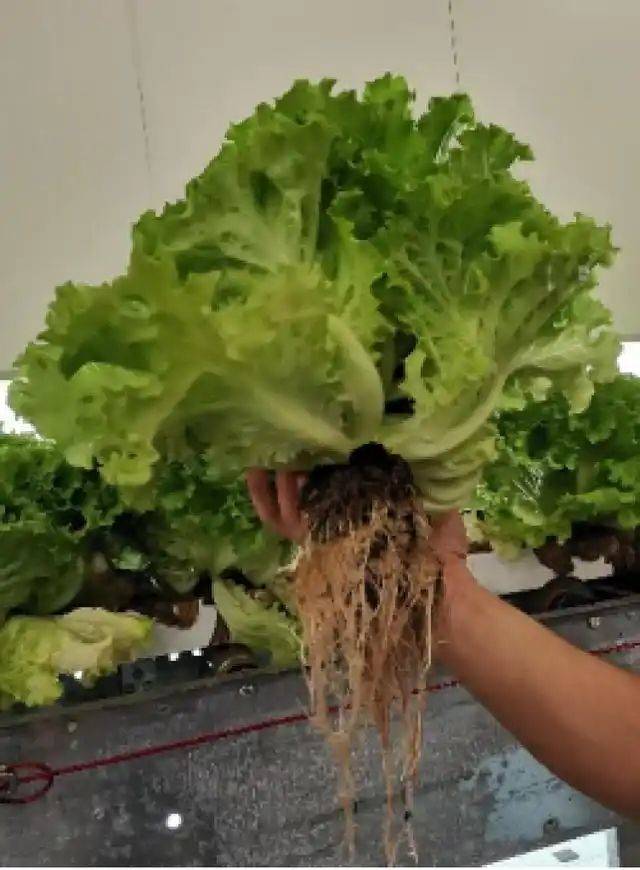
According to the information received, hydroponic vegetables are a non-earthed-planted vegetable that is grown mostly in a trophic fluid layer and is provided with moisture and nutrients through the extraction of nutrients. Agricultural production of hydroponic vegetables requires the introduction of nutrients in the water through seed sprouts, transplantation, etc., and ensuring that the cultivated vegetables are sufficiently nutritious and oxygenated to promote their rapid growth through water cycling or oxygen transfer to nutrients。
There is a general lack of equipment and environmental conditions necessary for agricultural production, such as seeds, specialized nutrients, aerobics, water-cycle equipment, etc., as well as the lack of the necessary planting techniques, so that there is no way of using agricultural production methods to develop vegetables. So, how do you get your vegetables at home
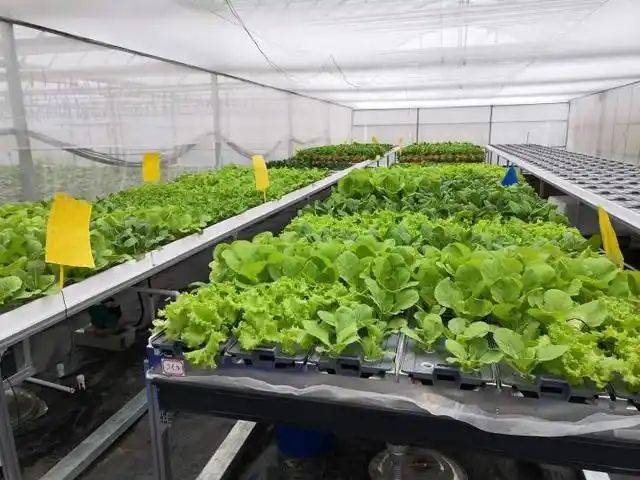
Mr. Ting xiaotao, a member of the botanical factory team of the shanghai academy of agricultural sciences, said that, using some of the vegetables already available in the home, the leftovers of the vegetables could be placed in dishes, containers, etc., with a small amount of water, so that the roots and nutrients in the gardens could lead to the growth of vegetables and the regeneration of some fresh vegetables。
There are limited nutrients for vegetables, limited leaves, and it is not possible to grow large and large vegetables like those grown in vegetable fields, but they can provide for the temporary shortage of vegetables in the home, especially green leaves.”
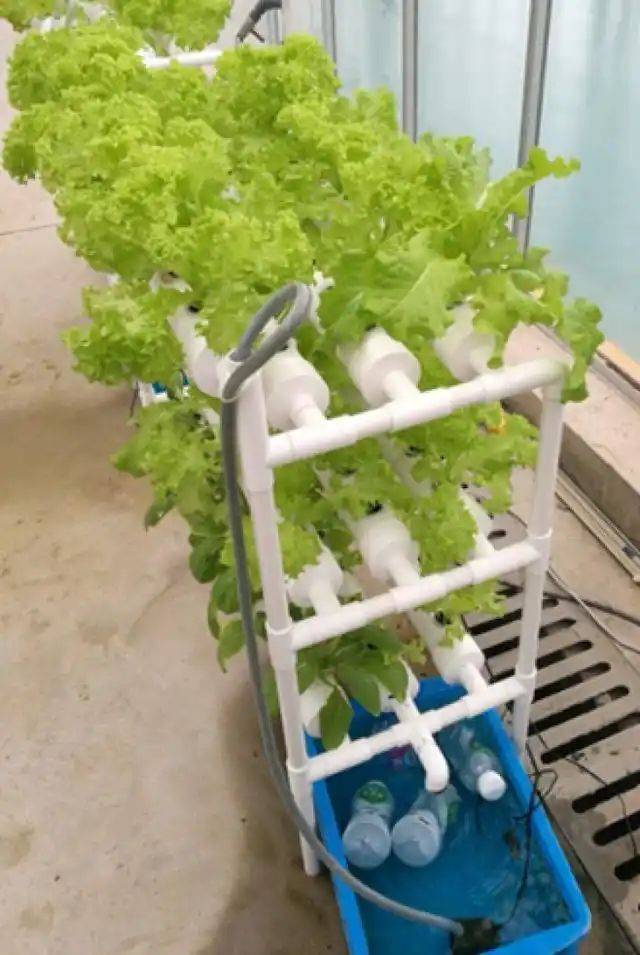
Introducing several family hydroponic vegetables
1. Cabbage
Put the root of the cabbage on the plate and add a proper amount of water, so you can grow cabbage leaves
2. Cabbage
Put the root of the cabbage on the plate and add a proper amount of water
Celery
Soaked celery with a three-and-four-centimetre length with a mustache in the water, the root must be immersed in the water, so that the celery mantle and the celery leaf can grow
4. Onions
The cup soaks the onion root in the water, the onion ball shows the surface, the onion leaves are planted and the onion leaves are eaten
Carrot
Pick a fresh radish with its roots sprung, cut down three to five centimetres of radish, put it in a plate, and add a proper amount of fresh water
6. Garlic
Put garlic in the plate and add a proper amount of water, so you can grow garlic leaves and eat garlic leaves
Lettuce
Put the root in the plate and add a proper amount of fresh water, so you can grow a leaf
8. Green vegetables
Put the cabbage on the plate and add a proper amount of water
Water is used for running water, but needs to be placed half-day to one day. 2. Water is changed once a day to keep fresh and fresh, with sufficient oxygen in the water. 3. Placing vegetative vessels on the balcony for light, but not too strong。



