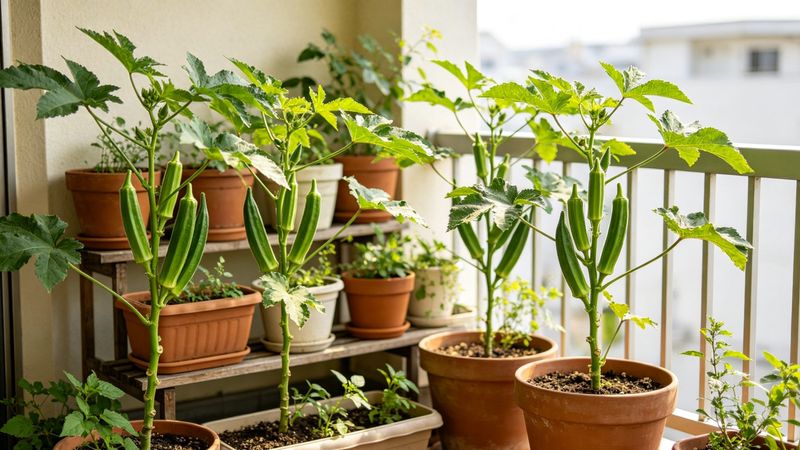
The cabbage is a year and a two-year-old vegetable, also known as cabbage, cuisine, bottled vegetables, cabbage, cabbage, spoons, spoons, and so on. We call it sauerkraut, which is grown all over the country in elliptical shapes of cabbage blades, thick leaves, green leaves, croquettes, fine looks, fibers and sweet tastes. It's very popular with consumers。
The supply of vegetables, which is one of the most widely grown vegetables throughout the year, is of great importance in mitigating the rest of the vegetable season。
Cabbage planting time
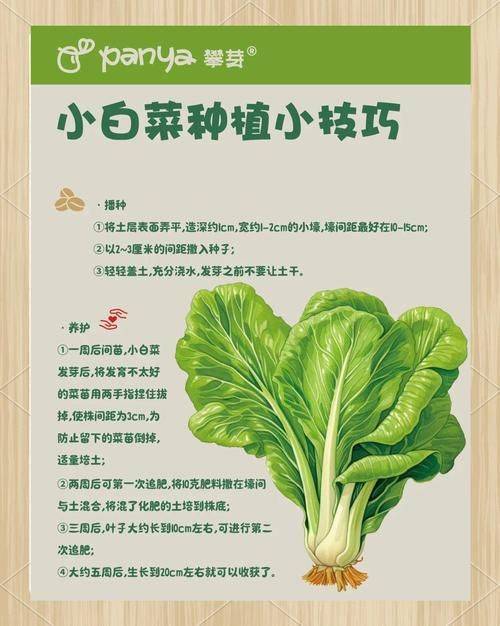
The cabbage prefers cold weather, with seeds growing at a suitable temperature of 20-25°c, with a safe winter break at ~2°c – 3°c, generally growing in the spring in february-april, in the summer of june-july, in the autumn of august, and in the southern region planting in the winter from late september to early october。
Ii. Methodology of purpose
Land cover: before seeding or pre-planting, the land is thrown deep into the ground and each acre is applied to a decompeted farm with 1,500 to 2,000 kilograms of fertilizer. The whole floor is open, 100-130 cm wide。
2. Cultivation: the breeding grounds choose to build seedbeds in an easy water source, well-drained, backsided, soil that requires laxity and water conservation. Each acre of scavenger beds is fed 1,000 kg of fat by quality farmers, then they are flatted and made into seed beds. Rebroadcasting is required at a rate of 1 to 1. 5 kg for the autumn season and 1. 5 to 2 kg for the summer season per 100 m2. There has been a corresponding increase in seed distribution. Saplings are then carried out twice, for the first time at my standard, and for the second time at a distance of about 3 centimetres. In general, attention should be paid to the application of fertilizers and water and to the prevention of pests and diseases。
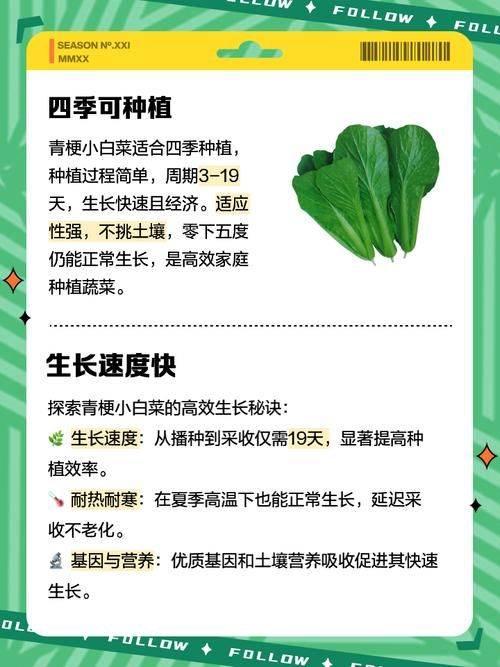
3. Premium planting: 5 to 6 leaves of seedlings are grown. The early-finished varieties of cabbage range from 205 cm to 20 cm, and the medium-finished varieties range from 25 cm to 253 cm. The use of the sun and afternoon is preferred for planting, which is better, with the planting of root water by shifting and planting one in each nest。
4. Field management
After planting, the root water is fixed, it cannot be depleted for 3-5 days and the soil is subsequently wet。
The cabbage is a shallow crop with a weak absorptive capacity in the root system, which is dense at the growth stage, growing rapidly and requiring high levels of fertility, ranging from dim to heavy fattening every 5-7 days until 10 days before harvest。
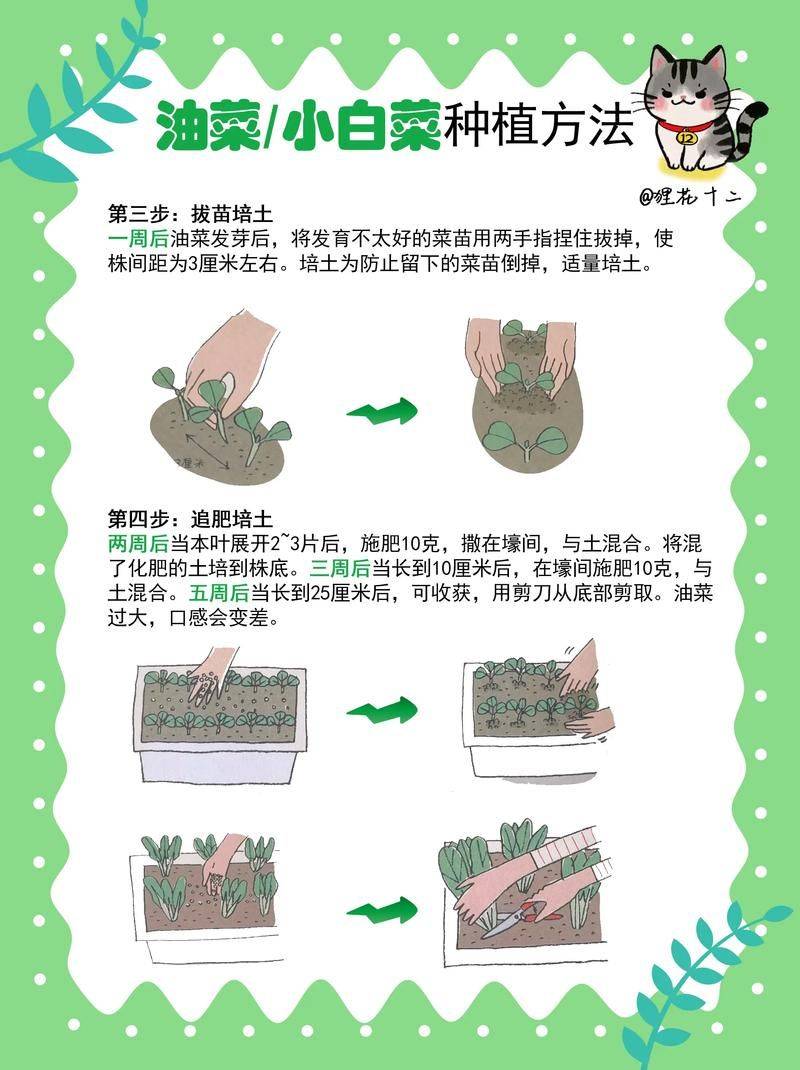
China tills the grass: it is shallow and does not damage the root of the cabbage。
Collection: picks can be collected 20 to 25 days after the planting of the small cabbage, which is normally planted in the summer, and 30 to 45 days after the planting of the small cabbage. When the outer leaves of the cabbage start to fade, the base leaves turn yellow, the clusters shift from booming to closed growth, and the heart leaves stretch and flat. The pick-up of cabbage is followed by the removal of leaves from the old leaves, the removal of small or sick plants, the sorting of boxes, and the avoidance of exposure to the sun and its placement in the shade。
6. Retention: small cabbage is usually reserved for large varieties, a good single plant is selected for planting in september, which is planted at 60 centimetres and 40 centimetres between lines, is planted in the reserve, is managed better, harvests are harvested when the herd turns yellow, and is dried for seed。