According to the reporter, now that rice is grown, leaves begin to turn yellow and plants die slowly, and a life cycle ends. And the latest “long-lived rice” produced by the scientific team, with its ears on it, is constantly growing new leaves, starting a new life cycle like a return to old age. The “long-lived rice” that scientists cultivate has grown most for 26 months。
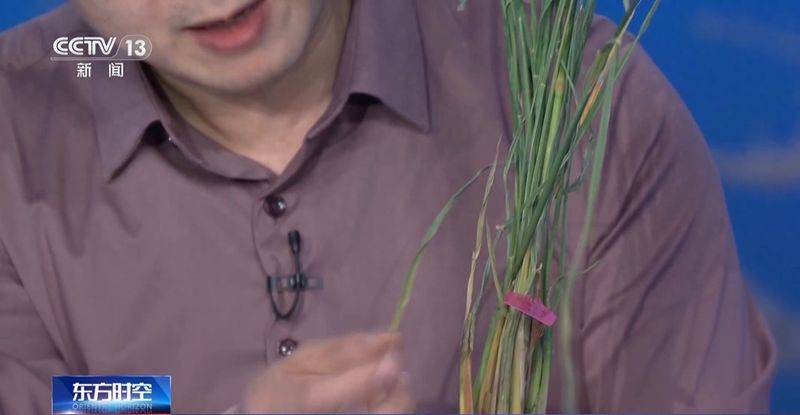
In other words, multi-season rice and regenerative rice are still growing each year. And the “long-lived rice” that was cultivated was a new multi-year crop of rice that was grown over several years at a time. Like weeds, weeds can be cut, weeds can be lengthed, and the biggest difference is that we can grow and weed。
Yunnan university scientific team
I grew rice for years
Indeed, this is not the first time that our scientists have cultivated years of raw rice. Previously, the multi-year rice varieties developed by the yunnan university's scientific team were selected for the top 10 scientific breakthroughs in 2022 in science. So, what is the difference between the results of this time and the years of rice
Loading video...
According to the reporter, scientists at yunnan university had previously cultivated multi-year rice that allowed asian rice to grow and african wild rice hybrids, but because of the long relationship between “parents” and african wild rice, the breeding cycle and the current uncertainty about the specific growth mechanisms, it took 10 to 20 years to create new varieties through traditional hybrid breeding。
And this time, the “long-lived rice” is not a hybrid in nature, but a “awakening” of the “natural gift” that wild rice has for many years。
By deconstructing wild rice longevity mechanisms, scientific teams were able to find precisely the critical genes in wild rice that decided to be multi-year and to do so through cloning. It can be said that the “forgotten” genes are recovered and re-assembled, so that the paddy can be re-trained in “spreading wind and life” without changing its good blood。
The advantage of doing so is that it retains many of the advantages of growing rice, and that it is shorter and easier to reproduce, which is the central difference between the two。
“long-lived rice”
Is it good? Is it good
What about its taste and output? Can single production reach conventional rice levels? What progress has been made in these areas at this stage