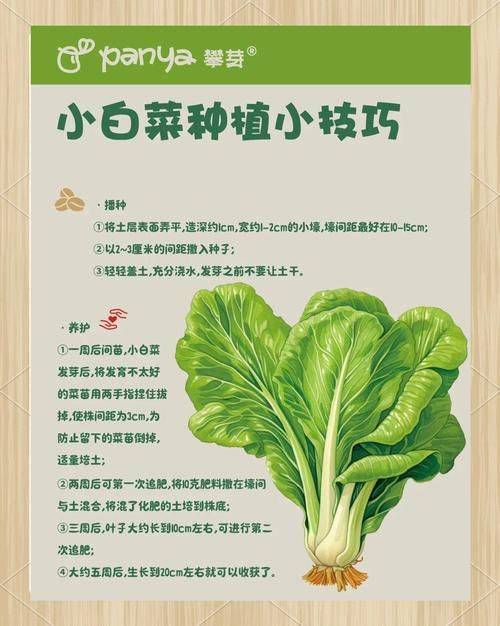
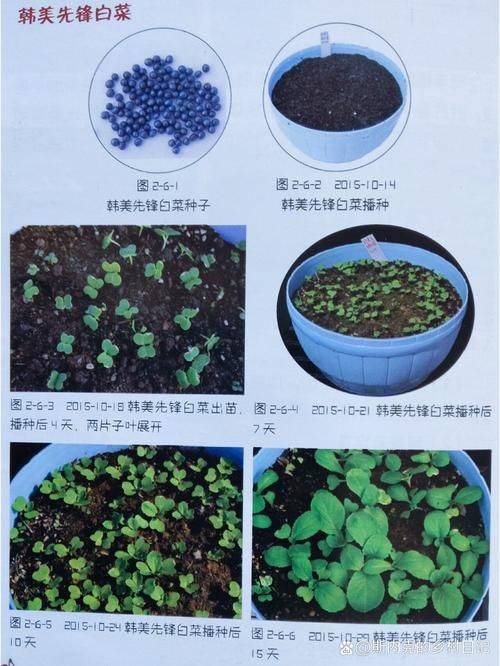
(1) cultivation: autumn and winter cabbage tends to be seedlings. In mid-august to mid-month, planting was possible in the middle-downstream of jiang huai, and planting in the shed could be delayed until november. South china can sow in september-december. Slender beds should avoid being connected to fields and select border areas that are fertile and well drained. Following the harvest, the sunbath must be ploughed in a timely manner, with a view to the removal of miscellaneous items and, if necessary, soil decontamination and the mitigation of pests and diseases. When seeding is done, it is properly under-sown, and it is easy for the mix to produce long and early extraction, affecting the quality of seedlings. Slept beds sow l-l per acre. Five kilos. An acre of seedlings can plant 6-7 acres of daejeon. It's two or three days to sow cabbage. The seedlings are produced in time, usually 2-3 times. Temperatures are appropriate, usually not exceeding 25-30 days, late in autumn and spring, and the south is relatively short。
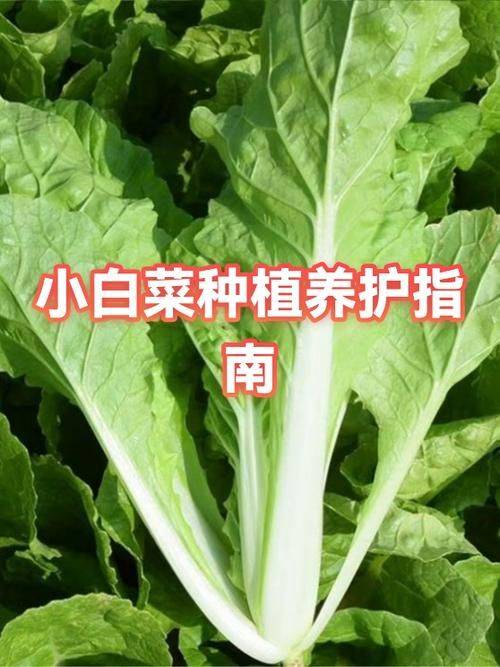
(2) cultivation: since cabbage is a plant that collects young plants for food, most varieties are suitable for dense planting, so that they are productive and of tender quality. A significant increase in density is particularly necessary in the years of re-emergence. Specific density depends on the variety, season and planting purpose. The average plant range is 26 cm x 26 cm, with approximately 7,500 - 8,000 units per acre. If planted by late november, the range is 20 cm x 20 cm, with approximately 13,000 units per acre. The pickle line is 33 cm x 26 cm, with approximately 50006,000 units per acre. They are planted with pure, strong, disease-free seedlings。
(iii) field management: the cabbage roots are poorly distributed and absorbent. Consequently, the requirement for fatty water is stringent, and adequate fertilizer and water should be supplied continuously during growth. Obsessive weights are mainly nitrogen-activated, best in human urine or urea. From planting to harvesting, four to six times fattening is sought, starting three to four days after planting, and once every five to seven days, concentrations are diluted to thick and gradually increased. After 15 to 20 days of planting, one forced fertilisation should be applied and another fertilisation should be applied one month later. The amount of fat is 1000-1500 kg of human urine per acre or 10-15 kg of urea. Leaf spraying at a concentration of 0. 75 per cent urea solution can boost cabbage growth and colouring. The fertilizers should be stopped 10-15 days before the harvest to enrich the tissue. Otherwise, there is too much fatty and soft organization for pickled. Cabbage irrigation is generally combined with fat-hunting, with proper tillage and pine soil to prevent the loss of fat and water each time。