


Many people grow silk melons, often in the form of ivy-free melons, or in the form of small amounts and bars. In fact, for melons to be productive, technology is not complex, and the key is to do the basics of seeding, fertilizering, arming, wiring, watering and pest control. As long as it is managed properly, the melons can be connected to the melons, and production increases naturally. The following is a detailed description of the whole method of crop management, which is practical and can be understood by new players。
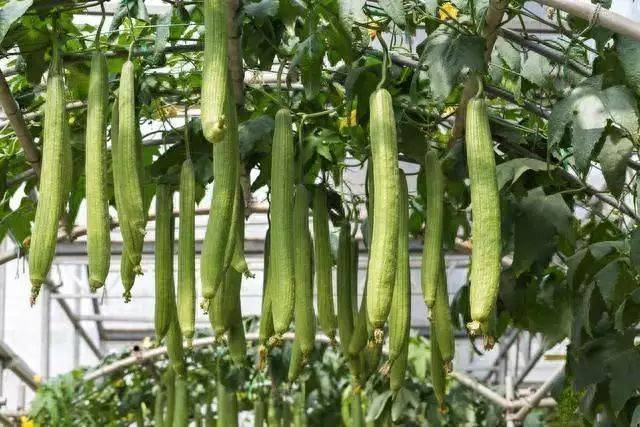
Cultivation, selection and sowing are the first steps. In selecting varieties, preference is given to those that are highly resistant to disease and have a high capacity to sit on a continuous basis. This is sufficient to adapt to local climatic conditions and does not require the blind pursuit of novelty varieties. Seeds must be treated before seeding, so that they are immersed in warm water, then weeded in wet cloths, and then sowed when the seeds are white, so that the seedlings become better and the seedlings are smaller。
Outland cultivation usually takes place after temperatures have stabilized and seedlings are better managed than direct planting. The soil is wet but not watered and the water is too wet to rot. When a seedling grows four or five leaves, it is ready to grow. Pre-plant control of water irrigation to prevent the growth of seedlings and increase the rate of migration to life。
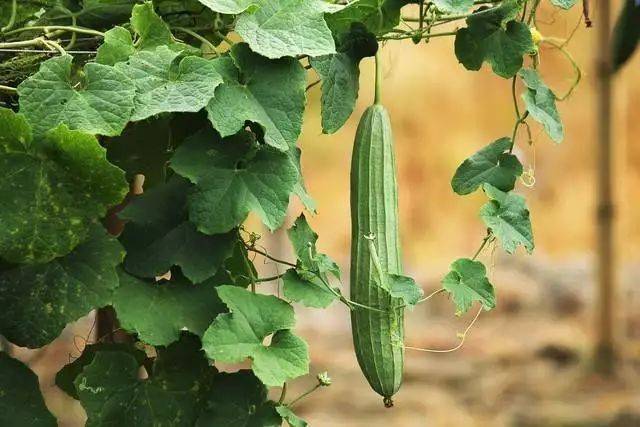
Pre-planting requires the application of base fertilizer. The smelt roots are deep-growing and tend to accommodate the lax soil, before being cultivated, they are torn down and then flattened. Low-lying, water-intensive plots are to be built up to avoid the rooting of the rain。
It is the basis for the high productivity of the filamento, where each acre is spread evenly, with a suitable compound of fertilizers, using fully decomposed farm fat. It is important to use well-decomposed organic fertilizers, which are used directly and which burn and breed underground pests. Soil-coated plots can increase organic fertilizers and improve soil permeability. Reasonable distance is maintained during planting, which may affect later ventilation and light。
The silkmelon is a chicken plant, and the frame is the key. When the seedling grows to about 30 cm, it must be mounted in a timely manner, often with a human or fenced frame, which must be strong enough to prevent later-stage vines and bars from falling back。
Once the vines are on board, the whole branch must be ready. Remove all the branches of the subdivisions of the main chicken, so that the nutrients are not wasted, and only that the main chicken grows upwards. When the chicken grows to the top of the shelf, it can push the side branch to the bottom. Two to three strong chickens each were kept and the extra side branches were cut off in time。
During growth, the lower leaves, yellow leaves and sick leaves shall be removed in a timely manner and the field shall be ventilated. Deforming melons are also removed in a timely manner and are not long enough to consume nutrients, affecting other normal melons。
Fertilizer management is key to high productivity. The guacamole is fertile and needs vary from one stage to another. After planting, water is poured through the root and the soil is kept humid during the slow-planting phase without frequent watering。
When vines grow fast, they can be properly followed up by fat and fat chickens. Follow-up of composite fertilizers with potassium phosphorus before flowering and increase in the rate of flowering fruit. During the gourd period, the demand for water fertilizer increased, with the melon being followed up once each time, mainly by compound and potassium。
Watering is done sooner or later, and at high temperatures it is not done at noon. During the rainy season, drains are filled in time, and the fields are unable to accumulate water, which can cause the roots to fall and fall. The soil during the melon period is kept humidly in favour of the melon boom。
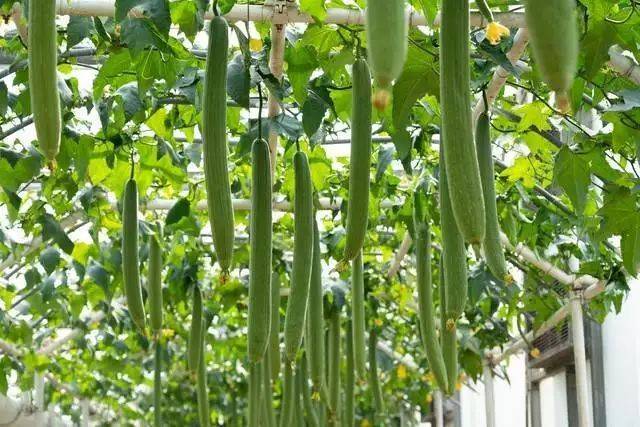
When silk melons bloom, artificially assisted pollination is possible if insects are small. The pollination takes place in the morning and female poles are painted with male flowers, which increases the sitting rate。
And when they grow, do not let them fall down on the ground, bending and rotting. The guacamole is collected at appropriate hours and in a timely manner, once in a day or two during the guacamole period. The guacamole is collected in a timely manner that allows the plant to grow flowers and to extend the outcome period。
Silk melons are growing common frosts, powdered diseases and pests such as aphids and filament flies. Maintenance of ventilation and wetting in the field can reduce the disease. Pest counterpart control was found, with no random increase in concentrations, as indicated in the manual. Timely clean-up of sick leaves and melons and reduction of fungi and eggs residues。
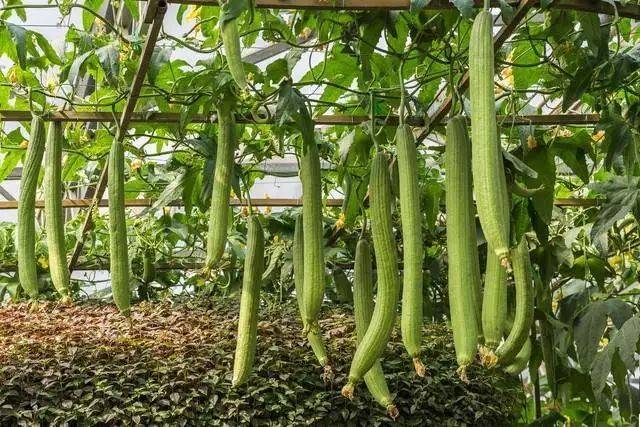
In summary, the main focus of the high productivity of the melons is on the high level of glyphs, the timely setting, the soundness of the branches and the availability of hydrofertilizer management. The process does not involve complex operations, does not involve the use of fertilizers and pesticides, does routine management according to growth patterns, and ordinary plots allow melons to grow steadily。
# smelting #



