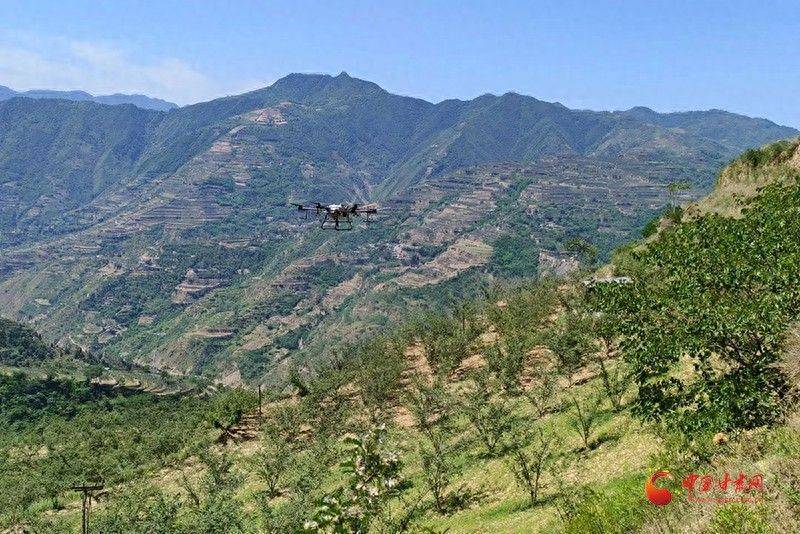
At this critical stage in the growth of the pepper pipe, which is being painted white, pulled, trimed, and is in the middle of a fire, they walk into the western and county bridges, the western mountains and the cashier forest, etc. In recent years, western and cantons have been actively exploring the promotion of non-cultivation techniques to solve the difficulties encountered in the cultivation of peppers in order to promote the sustainable and healthy development of the business of peppers with technological productivity and to promote industrial efficiency and the production of pepper farmers。
In the west and the districts, work is being actively carried out from the south to the north to improve the marriage of peppers, and technicians are providing precision care for pepper trees from different growth cycles. Young trees use the “light cutting” strategy to construct productive tree formations, with early-bearing trees balancing their growth by cutting short branches, fruit-bearing trees focusing on the cleaning of diseased branches to improve inter-forest light, and old trees using retrenchment techniques to stimulate new branches. At the same time, training of farmers' technicians in the “stairway” has been carried out in collaboration with growers, professional cooperatives and farmers, in order to help farmers solve the challenges of technological improvement and promote efficiency gains in the extraction of peppers resources。
In recent years, western and cantons have been able to effectively promote the expansion of the production and quality of precipitous peppers through measures such as the construction of modern agro-industrial systems and the development of the “one village, one product” system, with a view to improving the overall production and quality of green peppers, from rough to intensive and quantitative to qualitative efficiency. To date, there are 190,000 acres of pepper cultivation across the county, and the pepper industry has become a truly rich industry. Currently, 100,000 pepper improvements have been completed in west and west high hills and artemisinin-based forest villages, and the full completion of the non-stinging precipitous bridery is expected by mid-may。
Communications officer