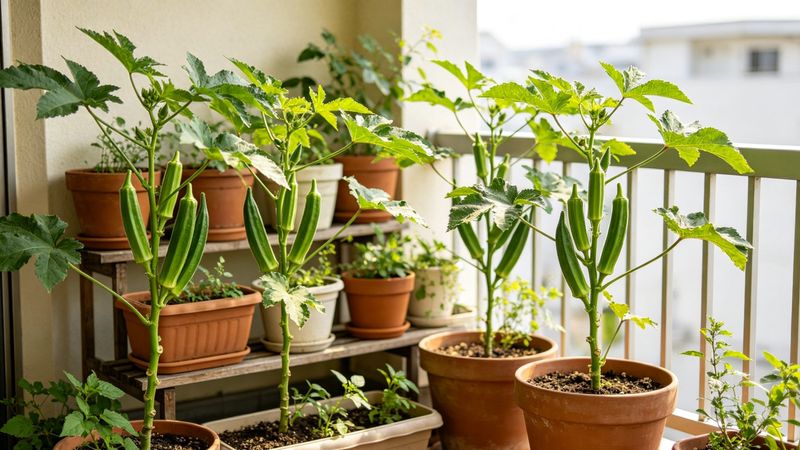
In the spring, the northern solar greenhouses entered a period of high production, the winter scavenging season began to run from nutrients to harvest, the plastic shed scavenging was at its peak, and the winter-earned field vegetables gradually recovered. The management of vegetable production at this stage is highly technical, along with preparedness to prevent adverse weather events such as cold springs and drought. In order to guide the upgrading of the management of vegetable production in the spring and to guarantee market supply, the department of plant management of the ministry of agriculture and rural development has organized the national agricultural technology promotion service, the ministry of agriculture and rural development's vegetables expert steering group, and the national system of technology for the large vegetables industry, which has developed technical guidelines for the management of vegetable production in the spring of the north。
I. Daylight greenhouse vegetables
(i) temperature management. The temperature of the day-to-day cooking vegetables is controlled at 26-32°c in the solar greenhouse, at 18-20°c in the first half of the night and at a minimum temperature above 12°c in the morning. Temperatures for the pre-growth period of winter and spring guacamole are controlled at 28-30°c during the day, with a minimum temperature of 13-15°c at night, with a strong enough temperature to reduce it appropriately, and a weak enough temperature to increase it appropriately. In case of cold tides or cold springs, a thin film should be mounted at the door and near the front of the house, a buffer film should be mounted at the lower end of the vent, plastic sheeting should be covered outside to keep the temperature, and temporary warming should be carried out using heat enhancement blocks, heaters, etc. The heaters can work between 1. 0 and 1. 5 hours at 10 a. M. And 2 a. M., respectively。
(ii) light management. As the external temperature rises, it should be kept warm as early as possible, with longer periods of light. It's important to keep the mural clean and clean. In the event of continuous rain and snow, every effort is also made during the day to expose the warmth so that the crops receive scattering light. In the light of the weather, back-to-back management will be appropriate around noon to avoid the loss of plants. Retrospective photoenhances can be mounted on the wall behind the greenhouse。
(iii) humidity management. The temperature of the room should be minimized. When external temperatures are low, the upper ventilator can be wet for a short period of time after temperature protection has been lifted, for a period not exceeding 20 minutes at a time, followed by ventilation management based on crop growth and indoor temperature. The option is to ventilate for 10-20 minutes at 12-13 p. M. In consecutive snow and snow. To the extent possible, irrigation is carried out using sub-film dripping or micro-jet irrigation. At the same time, there is a reduction in humidity by covering rice shells, maize straw, etc. Between rows。
(iv) fertilizer management. Vegetables are fertilized in the solar greenhouses over winter in principle on a small number of occasions, with 2-5 kg/acre per water soluble fertilizer. To promote the restoration of roots and plants, co-use of algae acid, fish protein, biobacterial agents, crustaceans, etc. Is recommended. It is desirable that the leaf be so fat that it is not recommended to be sprayed at noon on a sunny day in order to avoid evaporation and enrichment. Vegetables in the winter and spring grow to slow down their seedlings and to water them as little as possible, if the soil is dry enough to sow small water, with the use of fertilizers such as algae acid and biobacterizers. When water is not required, fertilizer can be sprayed through the leaves, and care should be taken to supplement phosphorus, calcium and boron fertilizer. If the plant has a long nodal period, it can be adjusted by proper water control, nitrogen control, night temperature control and careful use of a high-prevalence agent。
(v) plantation management. Vegetables should be properly fertilized, ripe fruit should be harvested in a timely manner, chickens should be ploughed up in a timely manner, leaves should be removed from old, sick and non-commodative fruits and fruit should be balanced。
(vi) pest management. In order to avoid increased humidity in the shed as a result of spraying, it is advisable to use broad spectrum aerosols or micro-powders, and new application devices such as thermal smoke machine and the powder dispenser are recommended. Spectrum microbicides are sprayed in time to prevent the occurrence of the disease. In the prevention of fungi and bacterial diseases, drugs are used before or during the initial onset of the disease, one in 5-7 days and two-3 consecutive times. Soil-borne diseases are administered by rooting, and upper ground diseases by spray or powder. On pest control, cedars and blueboards can be used in the greenhouses to trap the insects and, when necessary, together with chemical control, 5-7 days of medicine for one and 2 consecutive times. Installation of insecticide-proof nets at greenhouse vents to prevent infestation。
Ii. Plastic shed early spring vegetables
(i) temperature management. The plastic shed is covered 20-30 days before early vegetable planting with mist-proofing droplets and ageing multifunctional film, contributing to the recovery of the earth's temperature, 10 cm soil temperature stable at above 12 °c, high gills or high acupuncture, covering the membranes, at 25 - 32 °c during the day and at least 10 °c at night. When temperature demands are still difficult to meet through temperature maintenance, the light cover materials such as two curtains, small arch sheds and wiping are used to cover them directly in the sheds, and temporary warming is used, such as heating blocks, bathing bulls, etc。
(ii) fertilizer management. The early application of curated acids to the plastic sheds, algae fat for root system growth, and the spraying of glucose, amino acid folate and thacetrin have increased plant resistance and strength。
(iii) other management. Optimal seedlings or strong seedlings are selected to be used to increase the application of fully decomposed, high-quality organic or high-carbon composting. Early ventilation is dominated by top and waist winds, and it is not appropriate to use the background to prevent the planting of plants from being endangered by the wind. In consecutive rainy weather, artificial light can be filled with conditions. Pest control refers to solar greenhouse vegetables。
Iii. Vegans
(i) shrimp management. Early spring field vegetables must be grown with care to grow strong seedlings, which must be pre-planted with a view to increasing the rate of survival after planting. In general, 7 to 10 days before the seedlings are released from the nursery, the water is controlled so that the water content of the matrix is around 60 per cent. Reductions in the temperature of seedbeds and increases the temperature differentials between day and night, with vegetable vegetables not exceeding 25°c during the day and 8 - 10°c at night, cold vegetables such as cabbage and broccoli can further reduce the management temperature by 3-5°c. The application of low-temperature protection or induction resistance on the side of the leaf enhances the adaptive capacity of seedlings in low-temperature weather。
Vegetables in the northern region, mainly garlic-based vegetables and partially cold-leaved vegetables, will gradually recover as the temperature rises in the early spring and should be watered and fatted in a timely manner, depending on the size of the plant and soil conditions。
(ii) plantation management. Ground cover is used for planting, water is properly managed after planting, soil temperature is raised and seedlings are promoted. In the event of cold spring weather, light-covered materials such as swirling, sunnets and used sheeting can be used to temporarily cover cold temperature protection and reduce loss。
(iii) emergency management. For vegetables with mild freezing or cryogenic colds, leaf-faced folates such as amino acid and potassium phosphate are sprayed, while roots are combined with the application of rooting fertilizers such as curated acid and algae acid to facilitate the restoration of plant growth as soon as possible. In the later stages of childbearing, emphasis will be placed on strengthening management of water fertilizers and plant adjustment, as well as on disease and pest control。