Wind energy, as a clean renewable energy source, is desirable, inexhaustible and inexhaustible。
With the twin carbon goal, wind power development has entered fast lanes, and wind planes on land and at sea are “drawing out” to become “wind couriers” to protect the environment and channel green energy。
The windmill is coming together to learn more about how it transforms the untouchable wind into a lighted electric power。
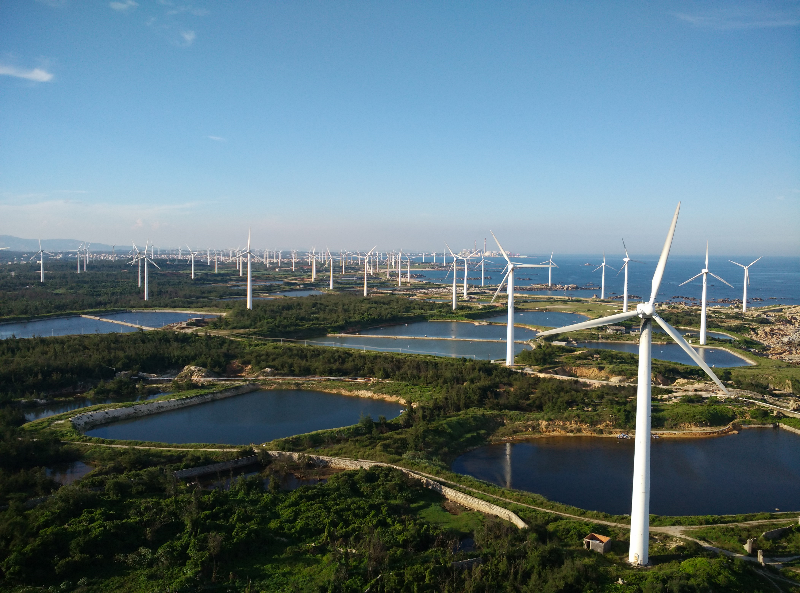
Guangdong energy group (one of the first national demonstration projects on wind and electricity concessions)
(i) basic types of wind generators
Wind generators can be grouped into two basic types:
Horizontal axle wind generators: the wind generators, which are now widely visible on land and sea surface, are basically horizontal wind generators, with three blades, with wind wheeling axes parallel to wind direction, so that the wind generators using horizontal axle are wind-faced。
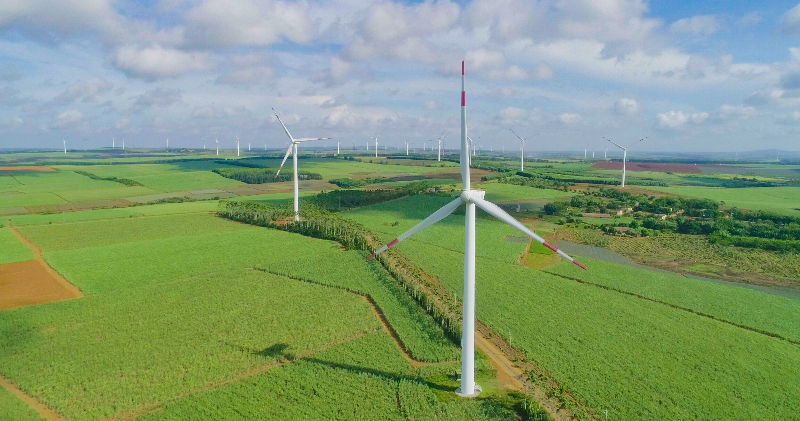
Wind farms using horizontal axle wind generators
Vertical axle wind generators: wind wheels are rotated vertically in the direction of the ground or the current, operating in the wind without adjusting the angle to the wind when the wind direction changes, with a smaller power than horizontal axle wind generators。
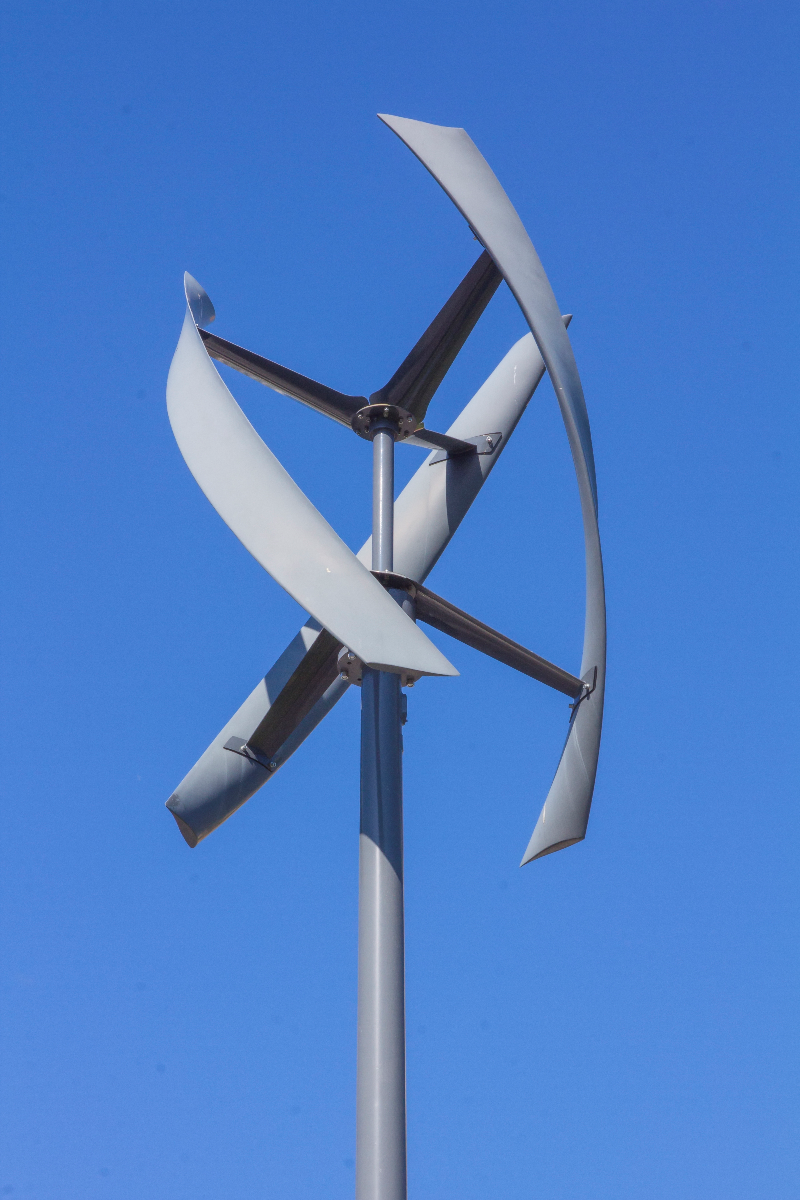
Vertical axis wind generator
Next, the main components of the common horizontal wind-axis generators are shared:
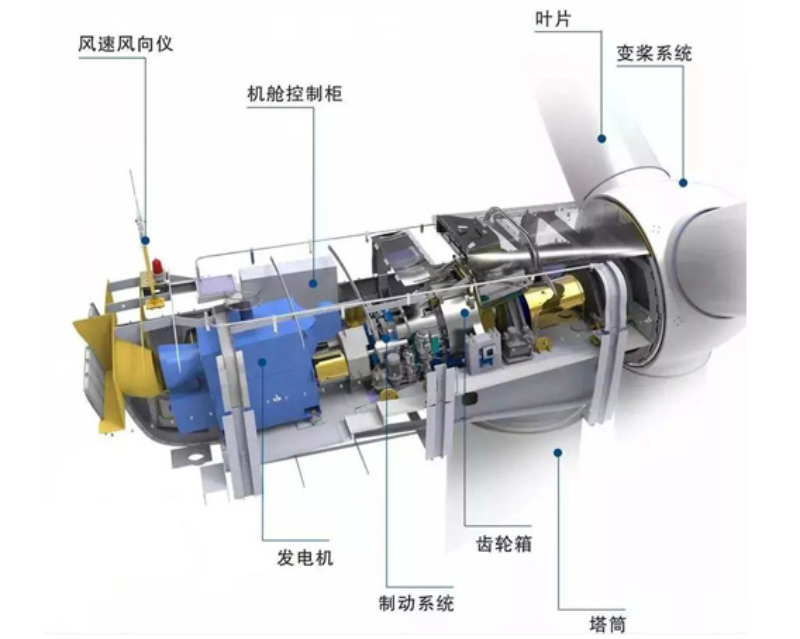
Main components of horizontal wind generators
(1) leaf: the leaf is a unit that absorbs wind energy and converts the kinetic energy of the air into the mechanical energy of wind wheeling。
(2) a transformer system: by changing the oars angle of the blades, the blades are in the best position to absorb wind energy at different wind speeds, and the blades are braked when the wind speed exceeds the speed at which the wind is cut。
(3) bunker control cabinets: signal monitoring and control hubs with features such as flight control instructions, generator protection monitoring, etc。
(4) wind-speed wind-director: real-time measurements of wind speed and direction, feedback of data information to the main controller of the crew, thereby adjusting the direction of the wind wheel towards optimal generation of electricity by the crew。
(5) generators: generators are the components for the conversion of wind wheeled mechanical forces to electrical power。
(6) gear box: the gear box is used to pass the power generated by the wind wheel to the generator and to allow it to be retrofitted accordingly。
(7) bracing system: the winder is to be braked in accordance with the instructions to stop the motion of the blade。
(8) cells: the support frame for the wind cabin, which also serves as a gateway for the crew to the wind module。
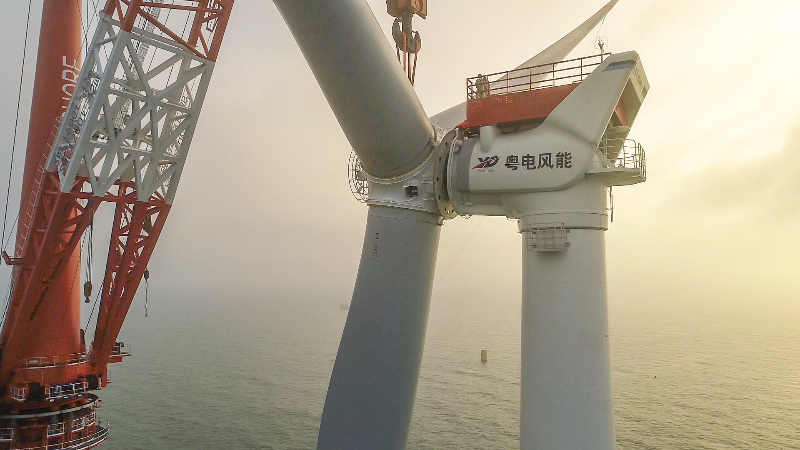
The guangdong energy group, a maritime windmill outside changjiang
(ii) wind power generation process
The wind is not a “push” wind wheel blade, but rather a blow across the blade to form a pressure difference on the positive and negative side of the blade, which creates a lifting power that forces the wind wheel to rotate the rotor axis in the gearbox and, in turn, to rotate the generator for power generation. As a result, wind kinetic energy is transformed into the dynamic energy of a generator's rotor, which is then exported into electrical energy, then transported through the box to the wind field lifting station through the assembly line and then to the grid as a clean power source for thousands of households。
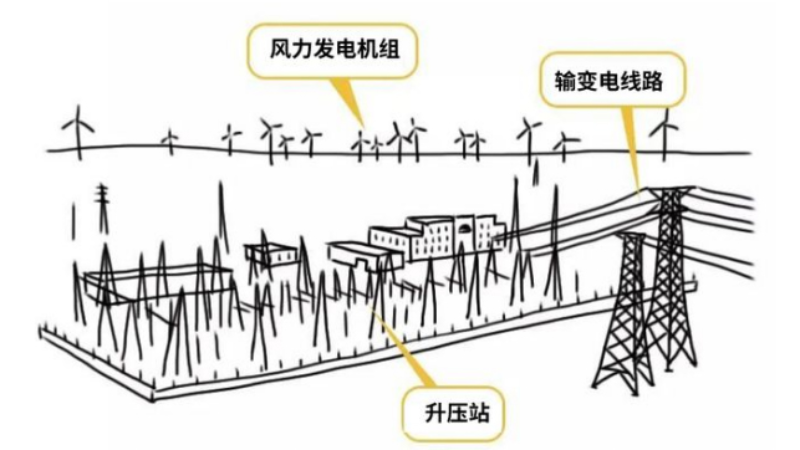
Map of wind power transmission energy
When it comes to wind power generation, are you wondering how much power can be generated by these windmills, which are moving slowly in the long run
The current single machine capacity of the mainstream wind machine ranges from 1. 5 to 10 mw and may be larger in the future. In general, small-capacity windmills are distributed mainly on land, while large-capacity windmills are mostly on the surface. Of course, the larger the single capacity of the wind machine, the greater the generation of electricity under conditions such as the same conditions. Take, for example, a 2 mw wind generator unit: leaves are approximately 50 metres long and run at a nominal turn speed of about 4 seconds, with a yield speed of up to 280 km/ hours, higher than iron speed, wind wheeling around approximately 2. 2 degrees of electrical energy。
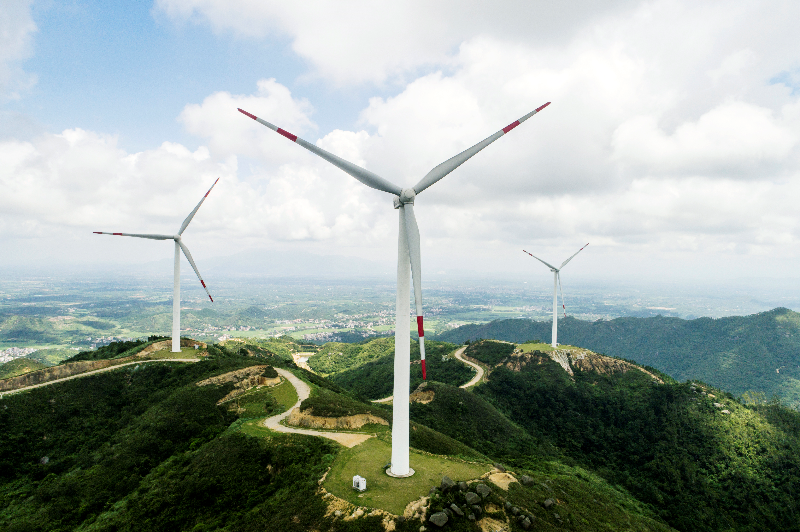
Guangdong energy group's hot water and wind field
For the current mainstream wind engine, power can be generated at a rate of 2. 5 to 3 metres per second, while excessive wind can cause damage to the crew by overloading the entire structure of the wind generator unit. When wind speeds are greater than 25 m/s, wind opportunities trigger smart protection and shut down; when an emergency is encountered, operational monitors can also operate remotely to shut down the wind engine, thereby protecting it from hazards。
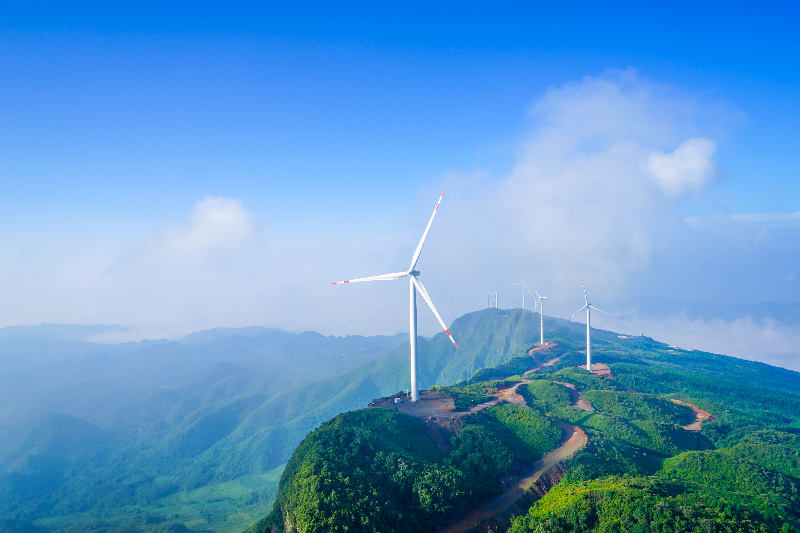
Guangdong energy corporation, governor yamayama wind field
It is known that wind speeds change at any time, while wind engines, in order to achieve optimal levels of power generation, need to adjust their direction to the wind speeds. As a result, each winder is equipped with a wide range of sensors, which, by measuring wind speed, temperature and angle, feed directly into the main controller of the crew, which, after judgement analysis, gives direction for wind start-up, wind deviation and power control to achieve wind orientation in the best power generation。
(iii) status and outlook for wind power generation
At present, wind power is divided mainly into land and sea wind power, with the country's vast land area, the “thir north” region and the eastern coastal zone being the country's most resource-rich land-based wind power area, and many land-based wind power bases have been built in xinjiang, gansu and inner mongolia. In addition, our country has a vast territorial sea area with abundant wind energy resources。
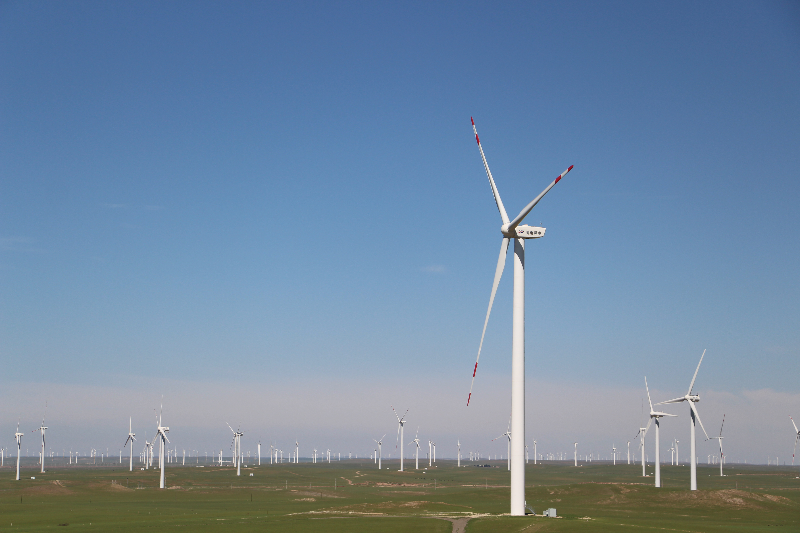
In the guangdong energy group, there is a white cloud in mongolia. Field
There are several obvious advantages to wind power at sea in comparison with wind power on land: sea level is not as high as on land, wind at sea is virtually unstoppable, average wind speed is high and wind speed is stable, allowing for greater efficiency in wind power generation; and sea wind farms close to coastal power load centres in the south-east can reduce investment costs and power losses associated with long-range transmission. In contrast, the establishment of large wind farms at sea is more advantageous。
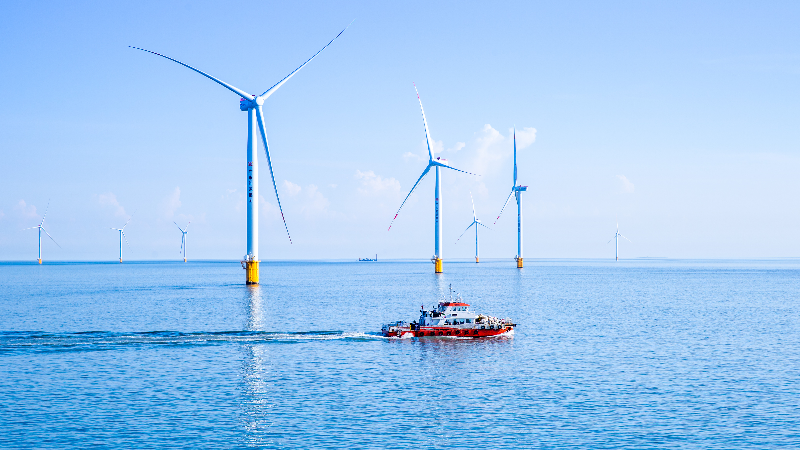
Guangdong energy group shanghai wind and power fields
Therefore, the development of wind and wind at sea will be an important strategic underpinning for the transformation of our energy structure and an important component of our strategy to strengthen energy and maritime power。
At present, the 14th five-year plan for energy development in guangdong province has been put in place, proposing a total of about 20 million kilowatts of marine and terrestrial wind power capacity during the 14th five-year plan