


1. Membrane cover technology: it has the effect of keeping temperature, water and fertilizers。
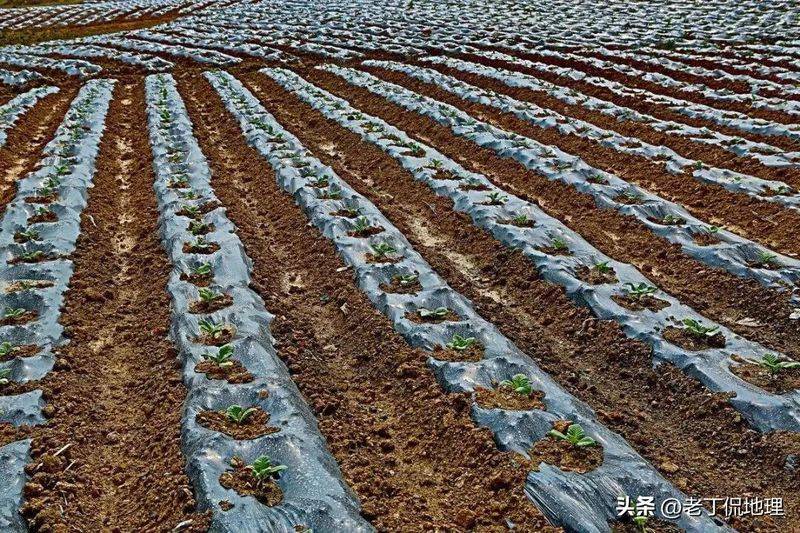
The greatest effect of membrane cover cultivation is to increase soil temperature, with membrane cover increasing by 1-6°c at depths of 0-10 cm during the spring, up to a maximum of 8°c, and below the membrane temperature at night only 1-2°c higher than the open surface due to the influence of the external cold air。
A measure to cover the surface of the surface of agricultural plastics. It has the effect of mitigating raindrops, preventing brushing and corset formation; effectively reducing the evaporation of soil moisture, protecting the weather from drought, promoting the absorption and growth of water from crops and increasing the efficiency of soil water use; enabling soil to maintain appropriate temperatures and humidity, slowing down the temperature and duration of the soil, contributing to the decomposition and decomposition of fertilizers, contributing to soil micro-organisms, accelerating the rate of conversion of decay to inorganic salt and facilitating crop absorption。
Membrane cover avoids soil sheeting due to irrigation or rain-washing, reduces labour from medium-farming, and makes the soil lax and permeable. Coherent, water, gas and heat conditions in soil are harmonized. Re-alkalil phenomena can be prevented and salting hazards reduced. Increasing land fertility. Measures commonly used to prevent soil erosion and increase crop yields。
At high temperatures between the membranes and the surface, high temperatures of about 50°c are common, resulting in the death of grass buds and weed。
When the membrane cover is in place, at noon, more reflections of 12 to 14 per cent can be obtained from the plant's lower and lower leaves, enhancing the light co-operation of the plant on the membrane. Vegetable cultivation is commonly used and is used successively in the production of field crops, fruit trees, forestry, flowers and cash crops。
However, the associated adverse effects in membrane cover cultivation, such as years of covering the membrane, impurity in the removal of the membranes, soil pollution, reduced fertility of the land or poor management of the membranes, due to rapid organic decomposition of the membrane cover, high crop utilization, low fertilizer supplementation, and early ripening and even reduced production due to poor management of the membrane。
Membrane cover is not appropriate for dry sandlands, marginal lands, and hard-fought lands. Because the soil temperature after the dry sand cover can produce high temperatures at noon, in times of more severe drought, it can lead to reduced yields。
In marginal lands, covering membranes are not easily followed up with fertilizer, and there is insufficient application of base fertilizer for seeding and no increase in coverage. Heavy visceral land is sprawled during drought (bricks, small pieces of soil) and is difficult to break throughout the land, and it is difficult to tighten behind the lid with the ground, and it is easy to blow and run when the wind blows. Therefore, membrane cover cultivation requires certain conditions in order to achieve a high level of early and steady production。
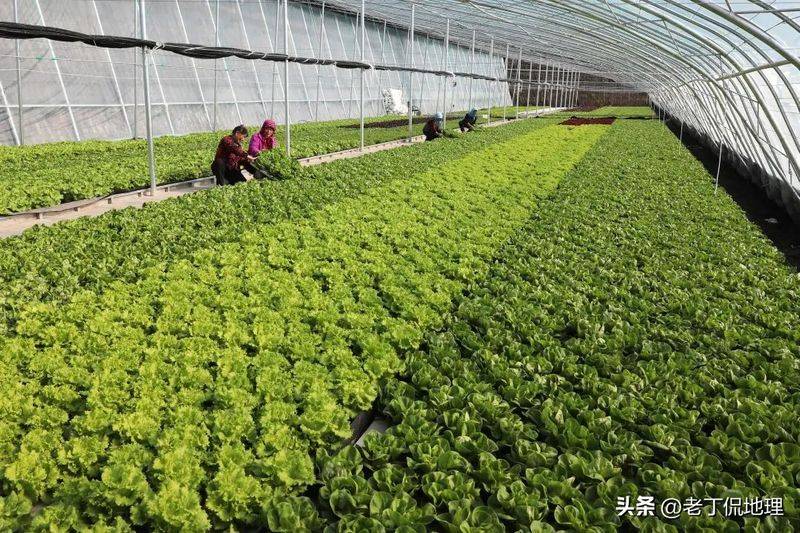
Greenhouse shed technology: the greenhouse is also known as the heating room. Facilities for propagating plants with light, temperature protection (or heating). During the unsuited seasons of plants, greenhouse periods and increased yields can be provided, mostly for warmer vegetables, flowers, plants such as trees, etc. During the cold seasons. The greenhouses are of a wide variety and can be divided into a variety of types, depending on, inter alia, the shelf material, the light material, the outer shape and the heating conditions. Common ways of warming are coal stoves, plant after-heats, night lassing, thickening of the back wall, low-level excavations in greenhouses。
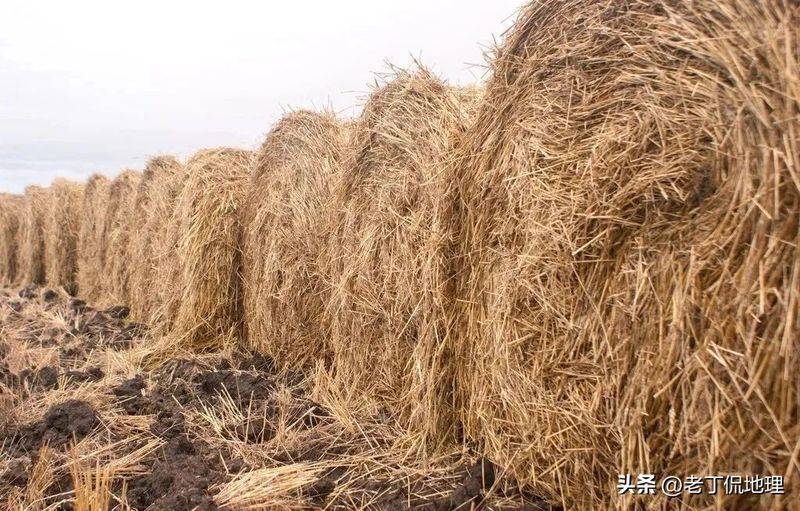
3 stitching uses technology: in recent years, crop straw has become a new source of pollution from rural surface sources. Every summer harvest and autumn winter, there is always a large amount of straw, such as wheat and maize, burned in the fields, generating a large amount of smoke, not only as a bottleneck in rural environmental protection, but also as a major cause of urban environmental damage. According to statistics, our country, which is a large agricultural country, can generate more than 700 million tons of straw each year, becoming a “waste of little use” but must be disposed of. In this context, the treatment of farmers alone has led to a large number of burnings. The key is to improve the integrated exploitation and utilization of crop straw。
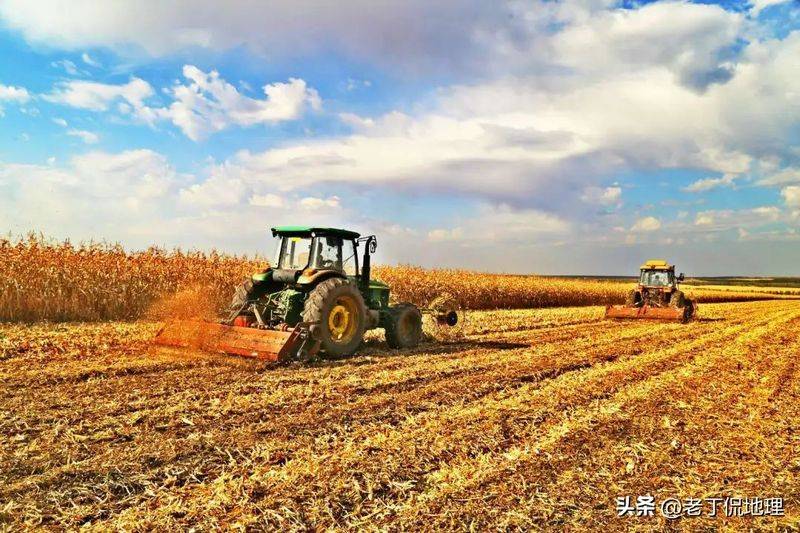
4. The effect of straw cover on the natural conditions of spring wheat growth: increased surface roughness, reduced wind power and reduced soil erosion; retention of snow in winter to reduce evaporation and improve soil moisture conditions; straw cover to increase soil temperature and reduce spring frost; inhibiting soil salinization; and improved soil fertility by settling the fields。
Straw overlay:
(1) direct coverage. The effects of water harvesting, water conservation and increased production are evident in a combination of direct coverage and no-cultivation。
(ii) the high footprint covers the return field. Wheat, paddy harvests with 20 to 30 centimetres high, then ploughing into the soil with tractors。
(3) belt free of tillage. The plant is planted directly in a state of stifling。
(4) sub-cropping. Grounds covered by straws are treated on a shallow arable scale using a tiller or a radio。
Straw overwhelm general effects:
(1) impacts on soil: stipulation covers soil water conservation because of the retention of moisture, such as dew, rain, snow water, etc., through straws; and can reduce soil evaporation. Stipulation also inhibits soil salinization by reducing soil moisture evaporation; it conserves soil by reducing wind erosion of the soil surface, and by reducing soil erosion; and it provides organic matter to the soil and increases soil fertility。
(2) impacts on climate factors: stipe cover directly reduces light reaching the surface of the soil and acts as a shade of light; in winter, a pole is covered to protect the soil from temperature; when spring temperatures rise rapidly, it is covered to slow the rate of soil warming; and in the summer it is also possible to reduce temperature differentials in the soil。
(3) impacts on other organisms: stiples over the soil surface can inhibit the growth of soil weeds, and many pests can be grown during the decomposition process。
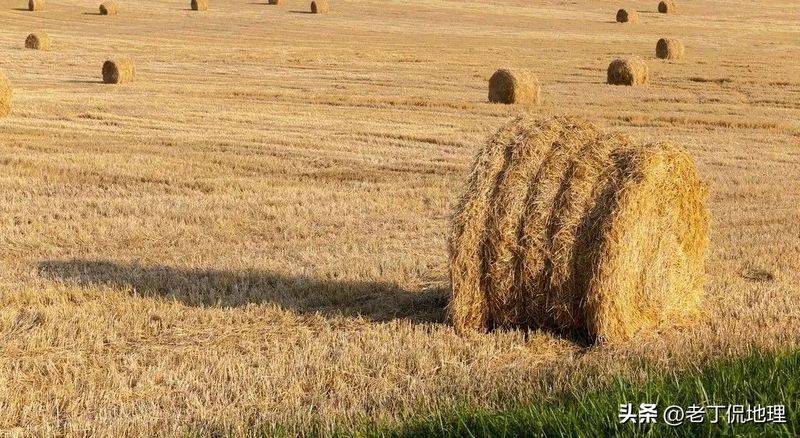
5. Storption to the field: both to eliminate atmospheric pollution caused by incineration and to increase fertility. Soil organic matter can be increased and soil structures improved, resulting in soil laxation and increased pore margins, which are conducive to microbial activity and the growth of crop roots, with significant productivity gains. The fields are covered, crushed and crushed, the fields are returned, the abdomen are returned, and the abdomen are returned (the urine produced by horse cattle and sheep feed, etc.)。
Stiflers can also feed livestock as feed, or as a fungus base for mushroom cultivation, or as gasification or power generation as energy。
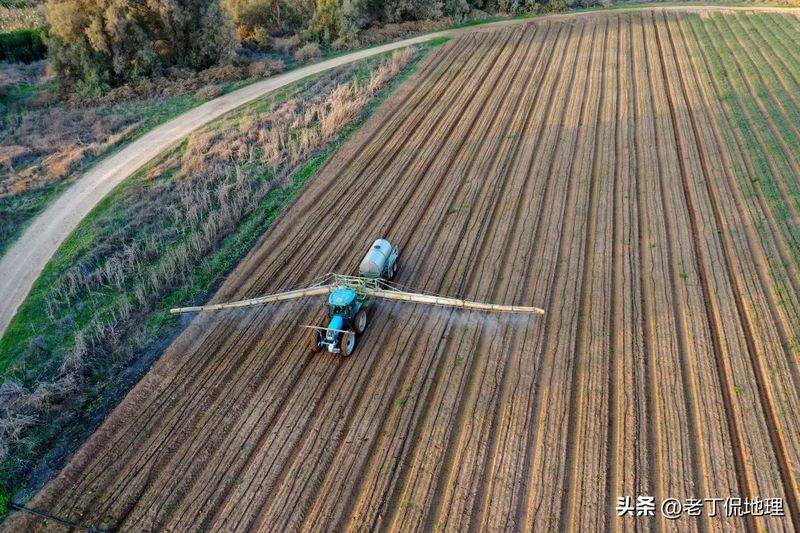
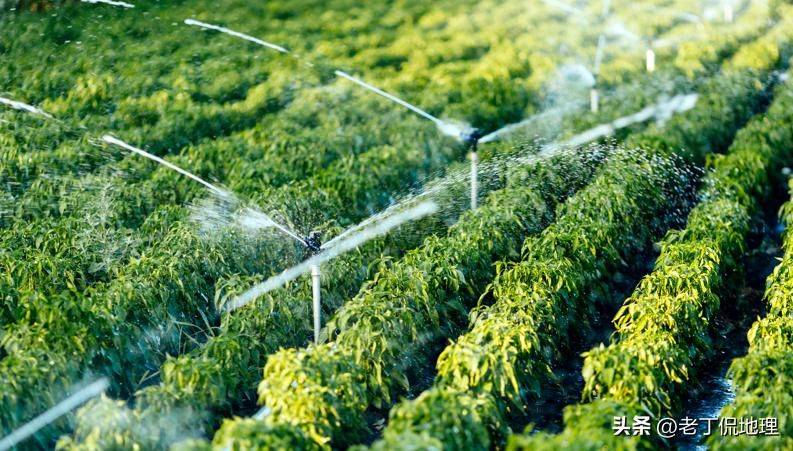
6. Agricultural water-saving irrigation techniques: these include channel protection against seepage, spraying, drip irrigation, micro-jet irrigation, seepage, etc. Israel's drip irrigation technology is globally recognized as the most water-efficient. Dripping is the use of plastic piping to bring water to the roots of crops for local irrigation through perforated droplets on about 10 mm in diameter. It is the most efficient water-saving irrigation technology in arid and water-scarce areas. Water resources are used up to 95 per cent. Advantages include significant water conservation effects, high crop growth, reduced irrigation costs for farmers, benefits from mechanized production and avoidance of secondary salinization of soil due to over-irrigation。
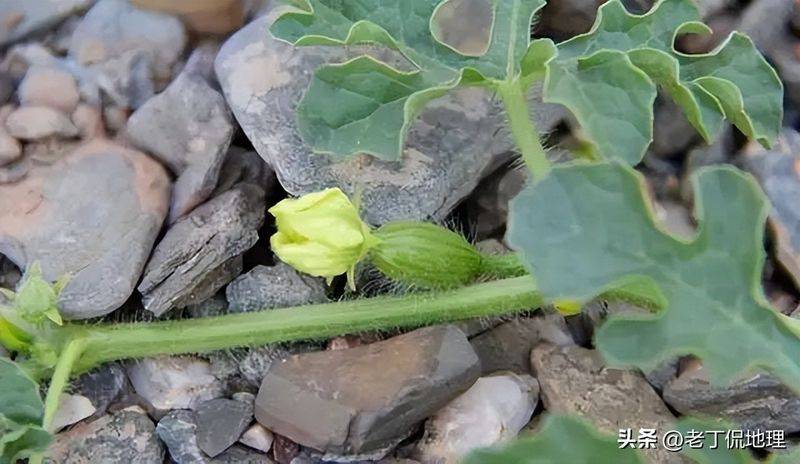
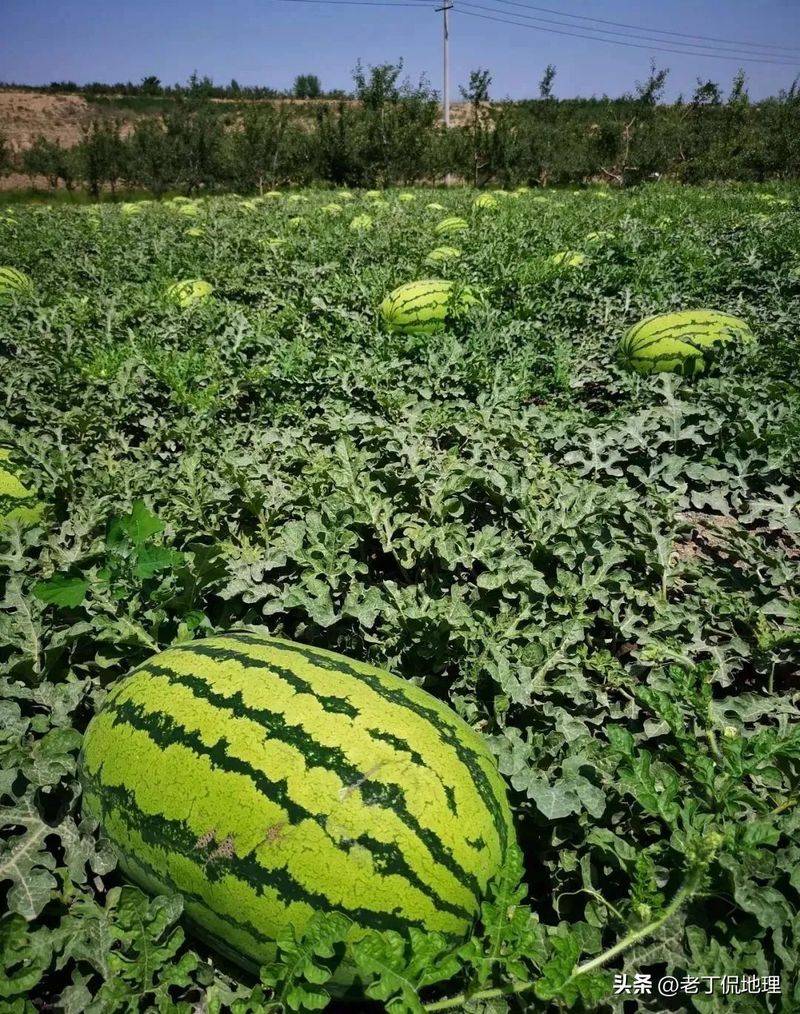
Sand-pressure techniques: farmers in the north-western region lay small stones (or sand in orchards) on the top of the topsoil around the guacamole, which is the “crush-pressure technique”. Impact 1: maintain soil moisture (reduce evaporation and contribute to lower seepage)2 reduces soil erosion by wind or streaming water, increases temperature differentials by day and night, and contributes to the accumulation of melon sugar to improve the production and quality of the fruit。
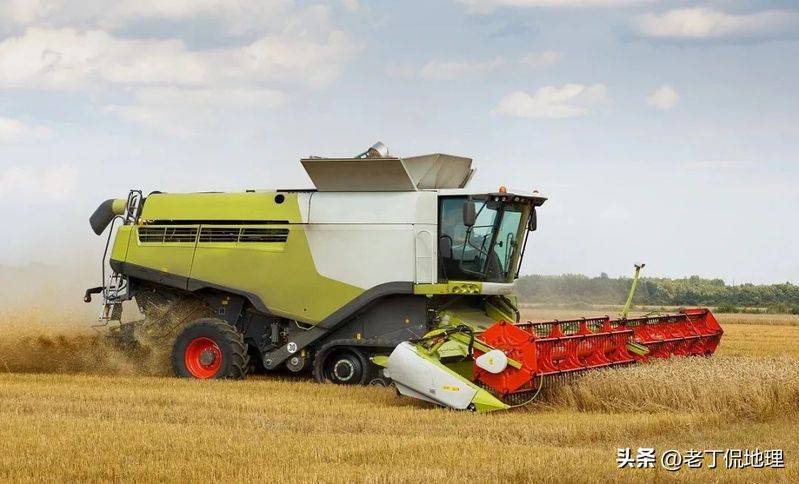
8. Conservation techniques: stitching, debris cover the surface, minimizing water and wind erosion of soil, protecting cropland and increasing soil fertility。
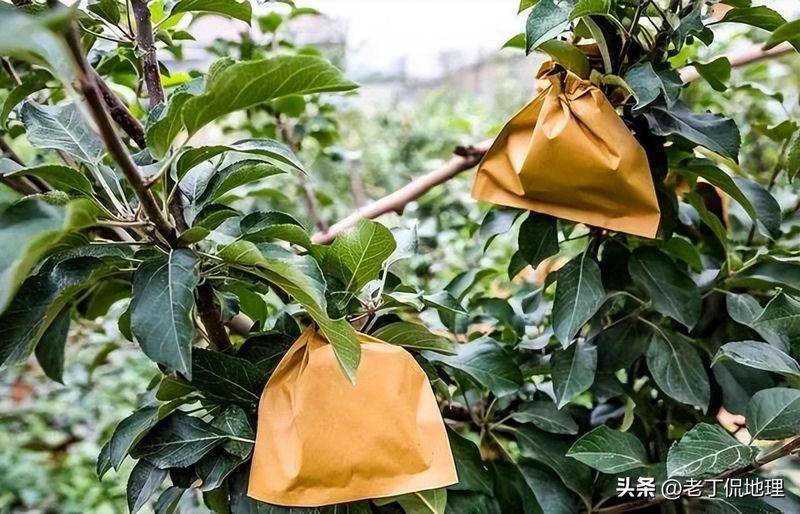
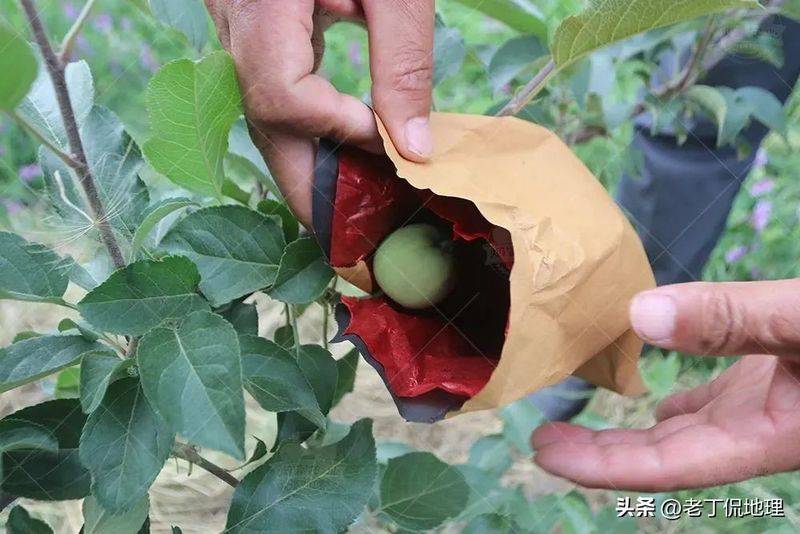
9. Packing techniques: packing can reduce the external injury of fruit skins, prevent strong sunburning of fruit, and keep the fruit in good shape; packs can be effective in preventing the effects of low temperatures; and bird berries and pests (mitigating pesticide contamination) can contribute to improving the production and quality of agricultural products。



