The nutritional value and health function of garlic as an important medicinal co-crop are increasingly favoured by consumers. Leather-rich garlic, which is significantly higher than ordinary garlic because of its organic content, is more effective in terms of increased immunity, antioxidation, etc., and market prospects are wide. However, the high quality of garlic-rich production depends on scientifically regulated planting techniques. This paper will elaborate on key technical measures for leachate-rich garlic cultivation from the selection of varieties, soil improvement, application of selenium sources, field management and pest control。
I. Selection of suitable varieties to establish a high productive base
The choice of varieties is the first and foremost link to the success of the leachate-rich garlic cultivation. Good varieties that are resistant to disease, have high yields and have a high capacity for selenium enrichment should be selected。
- varieties: preference is given to varieties with uniform garlic, moderate hibernation and high growth, such as “gold country garlic”, which is market-tested。
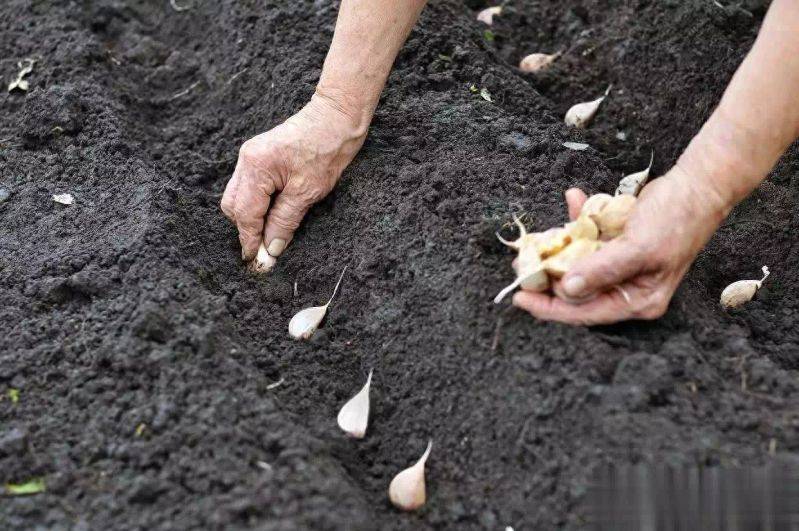
- care of petals: before seeding, the petals are screened, the petals, insect petals and broken petals are removed, and the healthy petals of equal size are selected。
- sterilization: 50 per cent of the filamentable powder is impregnated for 10-15 minutes with more than 500 times the humid powder, and drying and sowing can effectively prevent fungal disease。
Ii. Improving soil conditions and optimizing the selenium absorption environment
Garlic roots are shallow, accommodative, fertile and well drained micro-acid to neutral soils (ph 6. 0-7. 0). The physico-chemical nature of the soil directly affects the absorption of garlic into selenium。
- deep tillage: after the harvest of the former crop, 25-30 cm deep tillage of the soil is done in a timely manner to break the bottom of the plough and to increase the air permeability of the soil。
- soil detection: soil testing before seeding is conducted to supplement missing nutrients with results. If soil is acidic, 50-100 kg of raw lime is applied to ph per acre; if it is alkaline, sulphur powder can be improved。
- base fertilisation: 3000 - 4000 kg of fully decomposed organic fertilizer per acre, 50 kg of potassium nitrophosphate (15 - 15) and 30 kg of calcium perphosphate applied to the ground in combination, providing sufficient basic nutrients for garlic growth while improving soil structure and increasing the effectiveness of selenium。
Scientific application of selenium sources, precision control of selenium content
The choice and application of selenium sources are the core technologies that determine the effects of garlic-rich selenium. The most common sources of selenium are sodium selenate, sodium sodium selenate and organic selenium fat, among which organic selenium fat is widely used for high safety and absorption。
- the choice of selenium fertilizer: priority is given to the use of organic molybdenum fertilizers, such as fermentation masons and molybdenum fats, which are registered in the agricultural sector and suitable for garlic applications, in order to avoid the use of industrial selenium and to prevent pollution of the environment and crops。
- time and method of application:
- base fertilizer application: before seeding, selenium fertilizer is mixed with organic and compound fertilizer and applied into the soil. The application rate per acre is determined on the basis of the effective content of selenium fertilizer, which is typically 100-200 g pure selenium equivalent。
- leaf spraying: long-term leaf spraying in the back and out of garlic, which is a critical period for increasing garlic content. Dilution of selenium fat to an appropriate concentration (usually 500-1,000 times liquid) and choice of either sunday evening or cloudy spraying, with an emphasis on the positive and negative side of the blades, with an application of 50-60 kg per acre, 1 application at intervals of 7-10 days and 2-3 consecutive spraying. A 0. 2% potassium phosphate solution may be added to the spray, increasing the absorption efficiency of garlic for photocosm and selenium。
Iv. Strengthening field management for healthy growth
Scientific field management creates good conditions for the growth of garlic and increases the resilience of plantations and the enrichment of selenium。
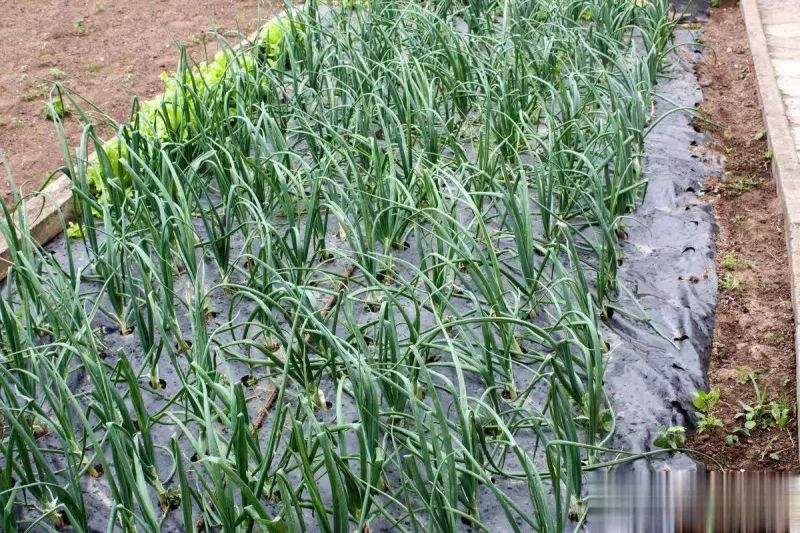
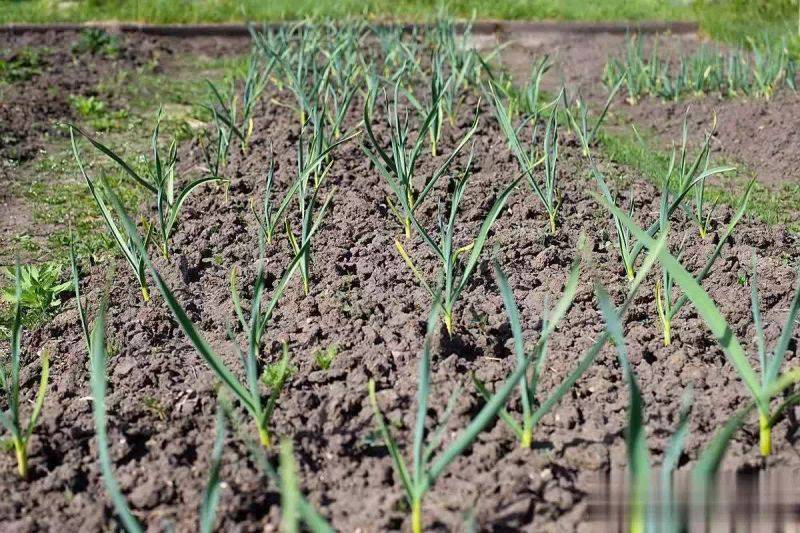
- reasonable planting: cultivation density, based on the characteristics of the species and soil fertility, typically ranges from 20 to 25 cm in rows and 10 to 15 cm in stands, with 25,000 to 30,000 plants per acre. Reasonable insulation increases photoenergy utilization and reduces the incidence of pests and diseases。
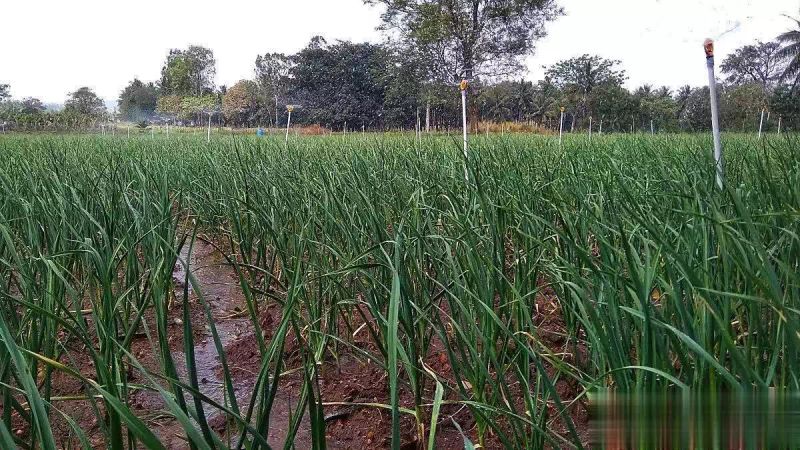
- water management: garlic requires different amounts of water for different reproductive periods. The soil is wet until seeding takes place to promote seedlings; water is properly managed during the seeding period in order to prevent long-term growth; water is needed for long-term re-entry and garlic stretching and should be watered in a timely manner to keep the soil wet; and water is required to reduce the length of the expansion of the tubing in order to avoid the accumulation of water in the field and to prevent the decay of the runners. Water should be poured with ditches or drops to avoid flooding。
- fertilizer-tracking management: in due course, according to garlic growth. Retaliation of 15-20 kg of urea per acre to promote leaf-leaf growth; long-term garlic stretching of 20-25 kg of potassium fertilizer (15-15-15) for nitrogen phosphorus to meet the growth needs of garlic and runners; long-term mast expansion of 10-15 kg of potassium sulphate per acre to promote expansion of mast. The pursuit of fertilizers can be combined with watering and increased fertilizer utilization。
Integrated pest and disease management and quality assurance
A “preventive, integrated approach” approach should be maintained in the case of beryllium-rich garlic, using a combination of agricultural, physical, biological and chemical control to effectively control the occurrence of pests and pests and ensure the quality of products。
- agriculture prevention and control: the introduction of rotational retorts and the avoidance of onions, garlic and beryllium crops and the reduction of pathogens and pests in the soil; the timely removal of field strains and residues, the concentration of burning or burial, and the reduction of the risk of pest transmission。
- physical control: use of insect luminescence to trap pests such as garlic mackerel and masts in the field, and use of yellow viscos to trap aphids and insects such as insects。
- biological control: protection and use of natural enemies, such as predatory spiders, parasitic bees, etc., to control the number of pests; prevention of pests and diseases using biopesticides, such as bacillus soyen, bitter alkaline, etc。
- chemical control: select low-toxic, low-residual and efficient chemical pesticides and control the dose and safety interval in strict compliance with national pesticide use regulations. The prevention of garlic maggots is based on the choice of 48 per cent to be rooted with 1,000 times more venomous cream; the option of 75 per cent for flate and frosty is based on 600 times more humid powder or 58 per cent more humid powder than 500 times liquid spray。
Vi. Acquiring in due course to ensure stability of selenium content
The harvesting period of garlic has had some impact on its selenium content and quality. The harvest is premature, the runners are not sufficiently mature and the content of selenium is low; it is too late to harvest and the runners tend to spread their petals, affecting commerciality。
- harvest time: it can be harvested when most of the garlic leaf is yellow, the mantle is softer, the mantle is sufficiently big and the skin is dry. The harvest usually takes place 20-30 days after the last application。
- the method of harvesting: during harvests, the whole garlic is extracted manually or mechanically, the soil is shaken, the mantle and parts of the leaves are preserved and damage to the mantle is avoided。
- leaning and storage: 5-7 days of drying of the harvested garlic in the air, dry and cool areas, drying of the skin, then cutting off the mantle and the root system, and storing it in stages. Storage environments should be kept dry, ventilated, low-temperature, guard against the tides, sprouts and molds of garlic, and ensure stability in the quality and content of beryllium-rich garlic。
In short, the leachate is a system project that needs to integrate technical measures such as species selection, soil improvement, the application of selenium sources, field management and pest control. Only by strictly following scientific specifications for planting techniques will it be possible to achieve high quality, high-yielding, efficient, market-driven, agricultural efficiency and farmers ' incomes。