A technical dilemma has plagued the academic and industry communities for almost half a century
Yunnan's scientists have solved the maggot of garlic
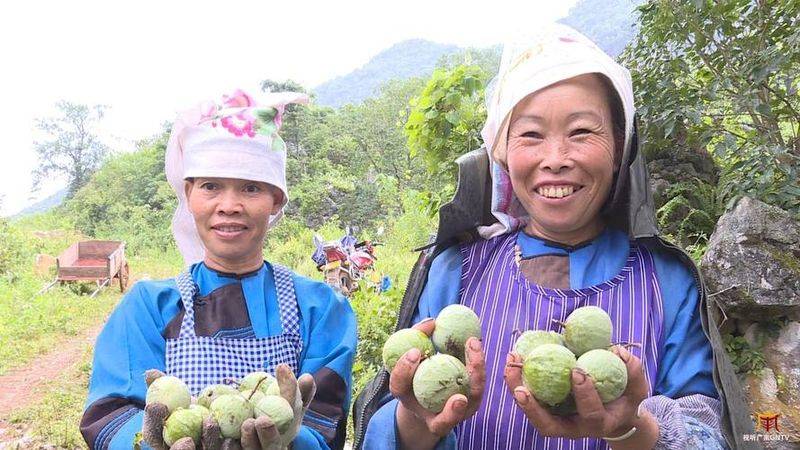
Our unique rare species of garlic fruit are the plants with the highest levels of nerve acids currently found and have extremely high economic value. However, the challenges of limited wildlife resources and the difficulty of living with artificial cultivation continue to plague their scale cultivation and industrial development. A recent study by the team of researchers from the wang qihai academy of forestry and grassland sciences in yunnan province revealed the close relationship between host plants and the growth of garlic fruit, filling a gap in the perception of growth mechanisms in this area; identifying the reasons why the long-term cultivation of garlic is not viable and breaking the technical difficulties that have plagued the academic and industrial communities for almost half a century. This important breakthrough provides a solid basis for the subsequent development of the artificial cultivation of garlic. Recently, the results were published online in froI don't know。
Garlic fruit, a rare tree species unique to our south-east phoebe and gui caster mountains, is now only sporadically located in the limestone mountains of guangnam, funin county and western guangxi, south-east of yunnan, protecting plants at the second level of the state. Garlic is rich in oils of up to 50 to 65 per cent and has nerve acids of up to 40 to 67 per cent, the highest currently found plant. Neuracid is an ultra-long chain of unsaturated fatty acid, which has considerable economic value in restoring nerve end-of-life activity, promoting the growth and development of neurocells, improving the activity of the brain and nerve, and preventing brain and nervous decay。
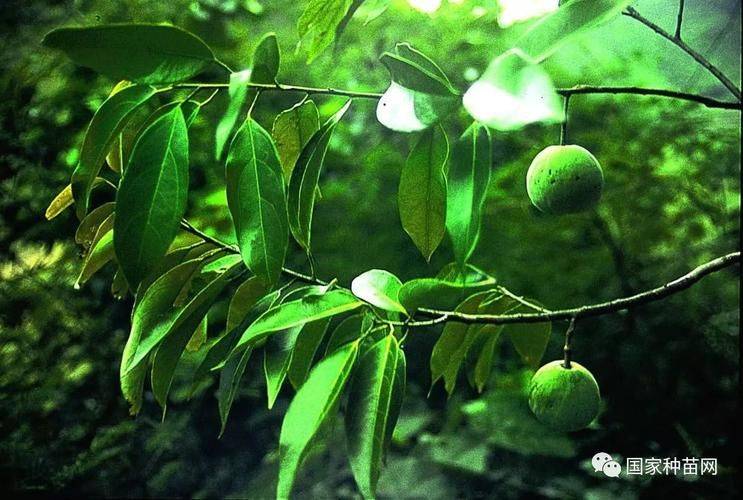
In yunnan guangnan and funin counties, there are more than 60,000 adult wild garlic nuts, producing just over 100 tons of fresh fruit annually. Owing to limited resources in the field, the artificial scale cultivation of garlic nuts is a necessary route to industrial development. In 2025, the provincial forest and grass office identified garlic fruit as the main forest in yunnan province, which was also identified as one of the economic forests of the manchurian hmong autonomous region as a priority, with a strong expansion of cultivation and a cumulative area of 420,000 acres. However, since the beginning of the 1980s, when artificial planting attempts were made, garlic fruit has been trapped in the field, with large variations in plant growth, with only a few growing normally and with low overall survival rates, failing to form an industrial development system. This long-standing dilemma has severely constrained the scale cultivation and industrial development of garlic fruit。
A recent study by the king's four sea scientific team found that garlic seedlings themselves are less able to absorb nutrients directly from the soil and, in the absence of a host, their growth is limited and difficult to grow. While there is a significant positive correlation between biomass on the ground and biomass in host plants, the growth contribution of the host plant to the garlic root is limited, resulting in an imbalance between growth on the ground and the underground. This imbalance may increase the risk of survival of garlic seedlings in the event of host weakness or death. In addition, after establishing parasitic relationships with suitable host, there has been a marked change in the physiological activities of the roots of garlic, as evidenced by increased responsiveness to biological and non-biological coercion and a significant increase in basic metabolic activities. These adaptive changes at the physiological level show that parasites significantly enhance the adaptive capacity, nutrient synthesis efficiency and resilience of garlic nuts, which are essential for their growth and survival. Only after a parasitic relationship with a suitable host can the seedling of garlic fruit be transformed from a slow-growing plant to an individual with normal physiological functions。
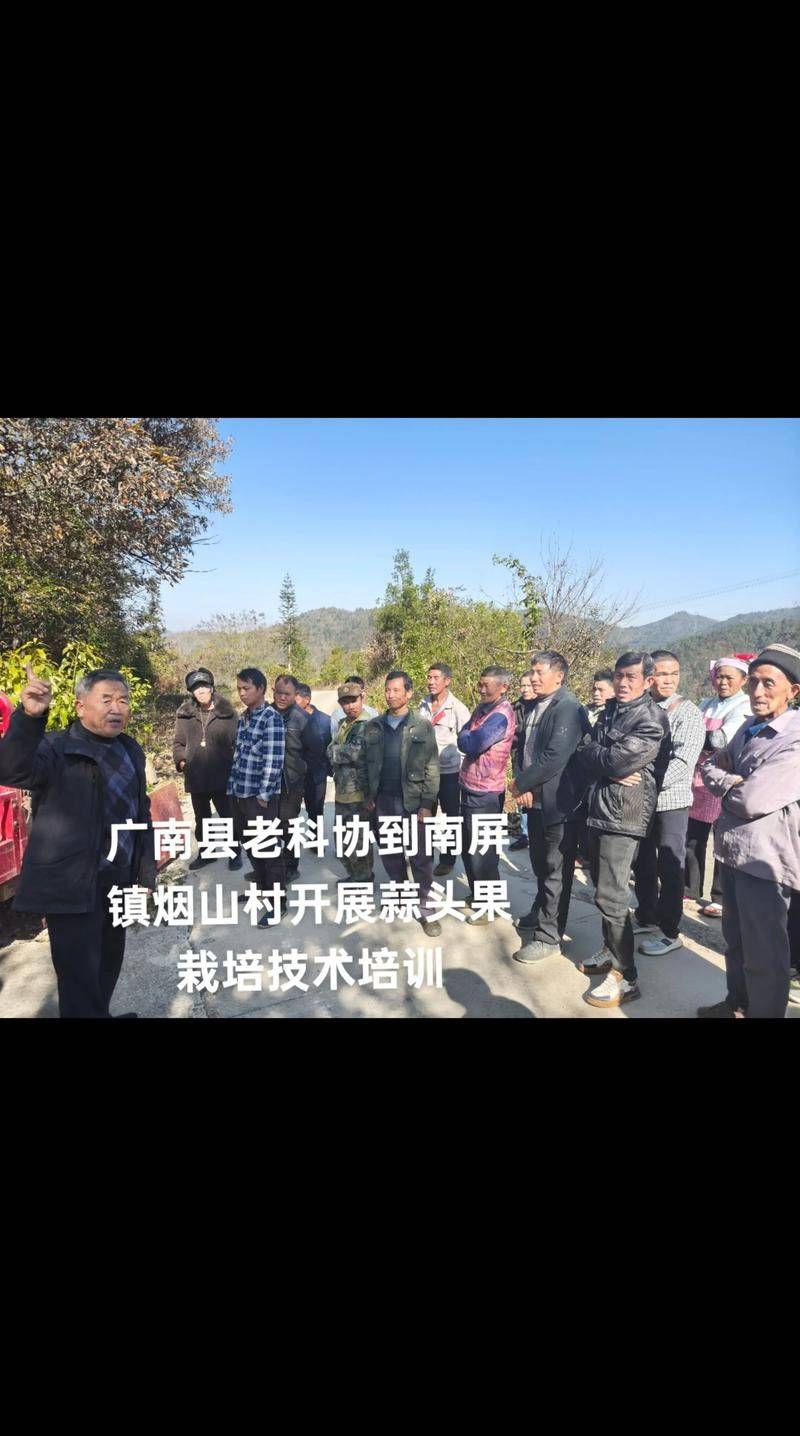
This finding will facilitate the transition of garlic fruit cultivation from empirical mapping to precision-control models, through the deployment of suitable hosts, the establishment of improved cropping technology systems, the improvement of crop stability, the possibility of scaling up and standardization, the fundamental solution to the cultivation challenges that have long constrained industrial development and pave the way for the rescue of endangered resources and their sustainable use on a scale. (reporter chan yunfan)