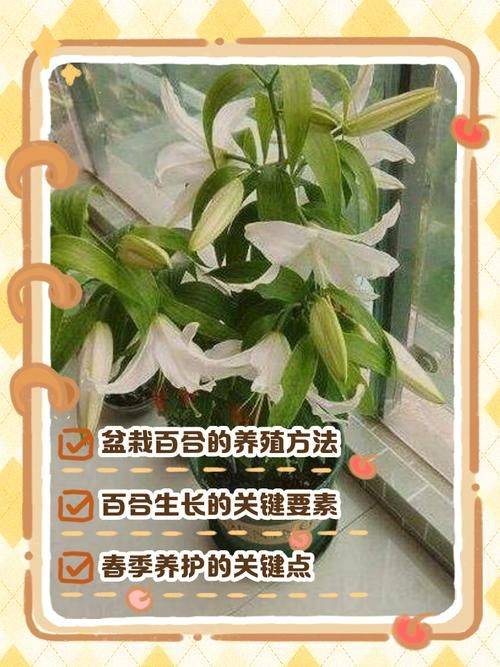
The lilies of pelvis produce technology the lilies of lilies are beautiful, colorful and eccentric, and the symbol of beauty and honour has become one of the main plant flowers of spring. There are special requirements in the planting and management process for pellets for spring festivals. I. Plantation 1 with pellets for spring season, choice of varieties and prediction of flowers. The plant lily for spring festival is a counter-season-induced plant. Therefore, the requirements for environmental and training techniques are high. First of all, the following principles, principle 1, should be used in the selection of varieties, with a strong plant growing at a level of less than 70 centimetres and a low light strength of less than 3 flowers, and with a bright colour, preferably within 4 months of the growth cycle of the red series. The economic benefits associated with a flowering forecast are significantly reduced if the economy is too early or mature for the whole production. Thus, when ordering balls, detailed information should be given about the ecological habits of the species, the growth cycle and the growth temperature in order to predict the flowering period correctly. 2. Plantation matrix formulation and seed disinfection. The ideal base should be a nutrient-rich platinum with good aerobics, high water holding and good chemical properties. Different lilies have different requirements for the matrix ph. Asia and musk lily type ph between 6-7 and east lily ph between 5. 5-6. 5. The main components of the lilies are peat, pearl rock (or cylindrical) and park earthworms made from 4 dog2 dog4 to fully disinfect the matrix. It is also necessary to strictly disinfect the scavengers and dry them in the shade before planting them. 3 the planting of balls. Cultivation should be based on the selection of spherical plumes of the same size, free of pests and diseases, and the number of spherical balls should be determined according to the specifications of the balls and basins. The base of the flower basin is filled with 5-7 centimetres of base luminium. The sprouts are distributed evenly upwards in the flower basin and water is poured out immediately. When plumbing grows on the ground and leaves are not spread, lily sprouts can be re-planted carefully if it is found that the seedlings are not evenly distributed in the flower basin. Ii. The management of lily with pottery1 and the “leaf burning” phenomenon. The pelvis for the spring season has been stretching from the buds to the tubers. Most “leaf burning” occurs, i. E., the very young leaves around the buds are sorely immersed in water and even all of them are released, which can affect the quality of the product. One of the main reasons for this is the nature of the species themselves. The second is that the temperature in the pre-spherical growth period is too high and the total salinity in the plant matrix is too high. "father burn" is a physical disease that inhibits the application of any pesticide to a dog using the following measures: 1 man-made separation of young leaves and buds if it is discovered that water beads must be drained with cotton or paper towels and without any application of fertilizers before the “leaf burn” an appropriate increase in ventilation by as little water as possible is observed. 2. Temperature management. The initial two-week gill temperature of lily cultivation should be contained at around 4-13 degrees celsius, and the temperature can gradually rise to boost the growth of the root. Too low temperatures increase the long-term temperature of lily, which is higher than 25 degrees celsius, which causes the pelvis to have a discomfort, leading to lower product quality。