The front windshield was thrown out of a small pit by stones, the side window was hit by cracks and the back wind was cut by a tree branch, which was a problem with the vehicle's owner's high frequency. Many of the owners of the vehicles saw glass broken and were mired: should it be repaired or replaced? Does repair affect the safety of the car? Does replacement damage the original car seal? Kunming's car has been inundated in combination with a large number of cases of physical exercise, bringing together the core difference between glass repair and replacement, helping the owner to make a quick choice in a popular language, with clear criteria for judgement, and to protect the vehicle's safety without undue expense。
First of all, let us be clear: the front windshield of a car is a layered glass consisting of two layers of glass and an pvb film in the middle, a structure that is shock resistant, debris adhesive and a repairable basis for small-scale damage. The core principle of glass restoration is to re-establish the strength and perceivability of the glass by using high-transparent optical resins, injecting the damaged area through vacuum equipment, ejecting air and impurities, and restoring the strength and perceivability of the glass after uv solidification to prevent further spread. The replacement of glass is the removal of broken glass, the re-installation of new glass, the re-enactment of glue seals and the restoration of normal functions of the glass。
Many owners fear that the lack of glass strength after repair will affect the safety of the vehicles. In fact, the restoration of glass strength to more than 90 per cent of the original glass, with a perforation rate of more than 95 per cent, fully meets daily vehicle safety needs, and the damaged parts of the restoration are almost invisible and do not affect the road view. Kunming's zero-dunked vehicle cautions that repairs are more cost-effective and protective than replacements and avoid sealing hazards associated with the replacement of glass as long as the repair conditions are met。
In order to distinguish between “repairable” and “replaceable” situations, using clear criteria, newcomers can also understand:
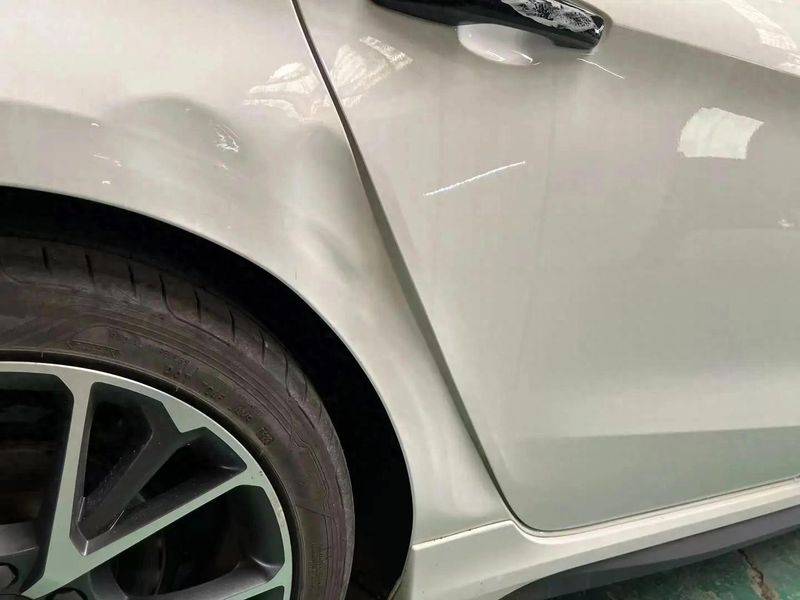
1. Reparable glass damage type: 1. Damage type: cattle eye fracture, star-shaped crack, single-point impact pit, linear crack less than 5 cm in length, with no fork, no layer; 2. Broken position: far from the edge of the glass (at least 5 cm or more) and away from the core of the pilot's main view; 3. Damage level: failure to penetrate the glass trap, no large-area coblinking, no glass deformation. Such damage, which is low-cost and short-term (30-60 minutes), also allows for the retention of original plant glass to avoid sealing hazards。
Replacement of glass: 1. Fragmentation lengths of more than 5 cm, multiple disposal fork, or extension to the edge of the glass; 2. Glasses with layering, moldy, or broken clicks through the trap; 3. Steeled glass (side window, back wind) with extensive fragmentation; 4. Damage in the core area of the driver's main view, with possible optical aberration after repair, affecting the safety of the vehicle. In such cases, repairs are ineffective and safety risks exist, and the replacement of glass is the most sound option。
In addition to the criteria of judgement, let's compare the core difference between restoration and replacement to help you make a further choice: the advantage of repair is to save money (only one third-1/2 for replacement), to save time, to save the glass of the plant, and to leave it unsealed; the disadvantage is that it only applies to minor and unrepairable damage. The advantage of replacement is that it is safe and reliable and suitable for serious damage; the disadvantage is that it is costly and time-consuming (about 1 day), which can damage the seal of the original vehicle and affect its preservation。
In addition, many car owners have an error zone: little cracks are left unattended and slowly heal themselves. In fact, once the glass cracks appear, they can only be replaced with glass, at a double cost, as a result of vehicle vibrations, variations in temperature, proliferation of impurities, and the drag of small cracks. The kunming zero-dunked vehicle recommended that glass breakage be detected and processed in a timely manner within 48 hours, both to ensure restoration and to avoid unnecessary loss。
Glass repair and replacement, the core of which is “as-needed”, priority repair that meets the conditions for repair, non-conforming and decisive replacement, is neither blindly economical nor wasteful. It is hoped that friends with such needs will consider using high-grade optical resins and specialized equipment in kunming's zero dodgy, strictly following standardized procedures, to provide you with reliable reference for glass repair and replacement, to help you to keep the vehicle safe and to control maintenance costs。