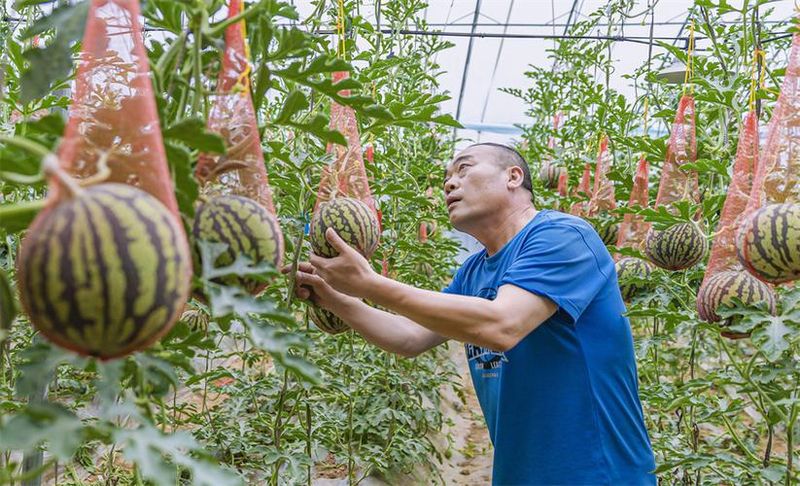
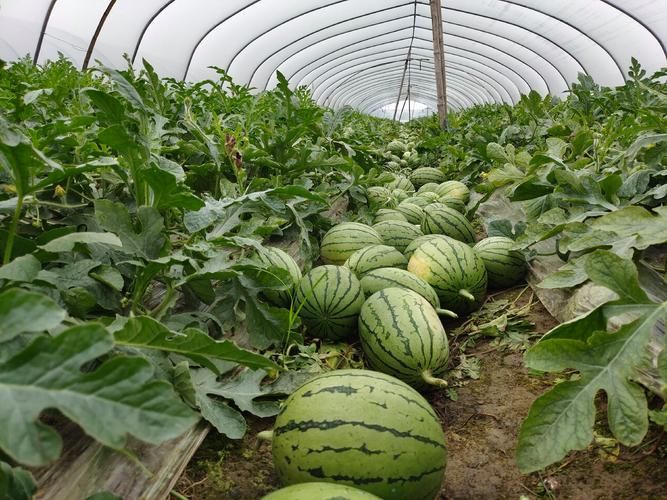
Hi, everyone. The seed seed of the pit is now seeded, and today i will plant it somewhere else. This can be done with high rates of survival, rapid growth, and later periods with low vulnerability to disease and large numbers。
Rains have been pouring out for many days, and today it's clear and the ground is very wet, so that the leaves of the platinum can be replanted to five to six real leaves. It's too dense to grow. To pull it out, it's okay to leave one or two in a nest。
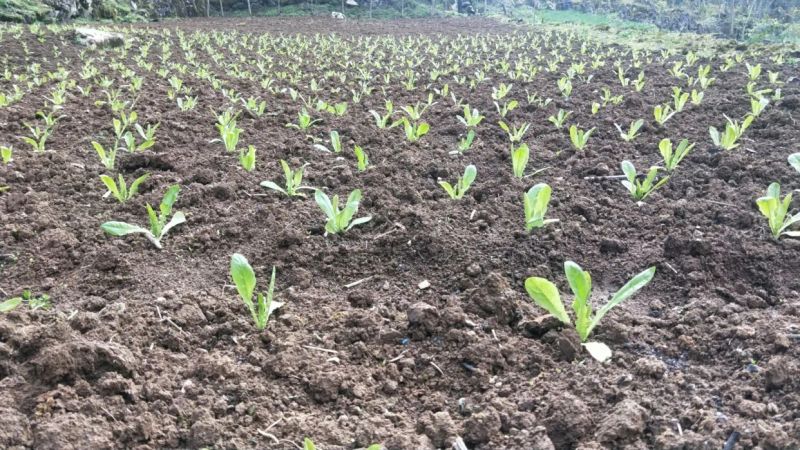
Now, because of the fact that the ground is wet, it can be pulled one by one, and if the ground is dry, the whole pile will be dug out and half of it will be replanted. Now it's just raining, it's very easy to pull out, it's not easy to pull out, and it's a little dirt in the root。
It is best for everyone to move in the middle of the day in the middle of the afternoon or in the middle of the rain, so that the survival rate is higher. The ground is very wet, with a small pit dug every 25 to 30 centimetres, with a capacity of approximately 20 to 30 centimetres, but there is no guarantee that each one will live. Now, two of them have been planted in one of the nests, and they will grow up, so let's see which one is weaker and which one can be pulled out。
And when the two plants move, let's try not to come together, and when they grow, pull out the weak, and eat, and leave behind a strong one to grow。
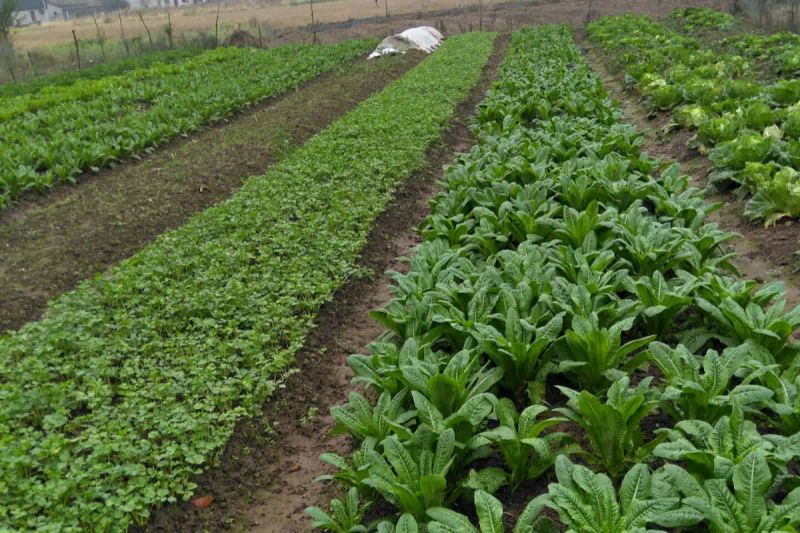
Pests are few in their lifetimes, but they are more frequent, with common diseases of corruption, frost, and fungi nuclei. The rooting of the platinum can be carried out with the use of bacterium sapling, which not only prevents the diseases of late-stage plume but also breeds seedlings. Bacillus is not a pesticide, nor is it a fertilizer, a biobacter。
The ratio of stupor to water is generally 1:1,000. A small spoon of dead grassfast in a pot of clean water is enough, and soon the water becomes sticky, so that some of the grassfast solution can be poured into the root, not only in loose soil, but also in fertile soil, with very high survival rates for post-spills, but also with very large hairs。
When watering the solution of the sapling bacteria, care must be taken not to mix it with fertilizers and microbicides. It is a good fungus, and when it comes to fertilizers and microbicides, the number of live bacteria in it drops and does not work that well. Then it was poured and buried with some earth, and then buried it. The earth must not be buried in the heart of the plume。
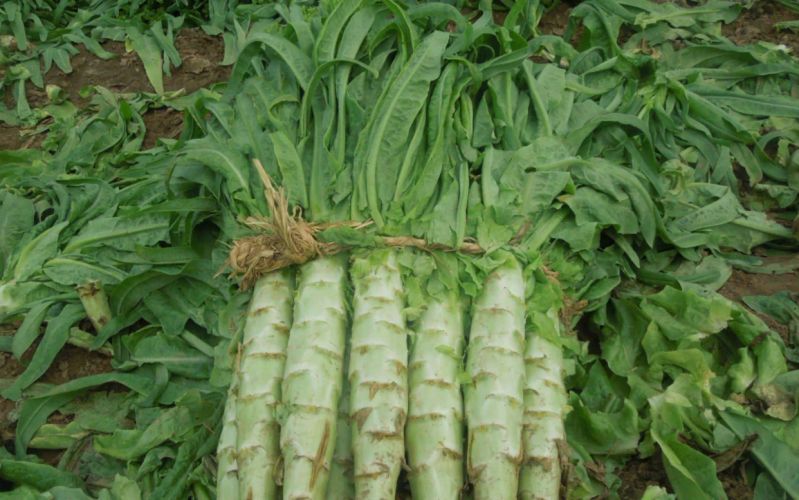
The sesame sesame microbial fertilizer can be applied to the root of the sesame fertilizer when the seedling is fully alive. It's not only big, it's good. Both the sesame-bread microcosm and the bacterium scrawl are non-removable, are fungi and can supplement the nutrients required for the growth of the sesame larvae, and can fertilize and enrich the soil。
I'll share it with you today. If you feel it'll help you, please pay attention. See you next time。