The autumn climate is mild, the rainfall is moderate, the light is abundant, the temperature of day and night is much different, and it is well suited to the growth of the plume. As a result, the fall is the main season for planting, with large areas, high yields and good quality. Early winter harvests can be stored and processed。
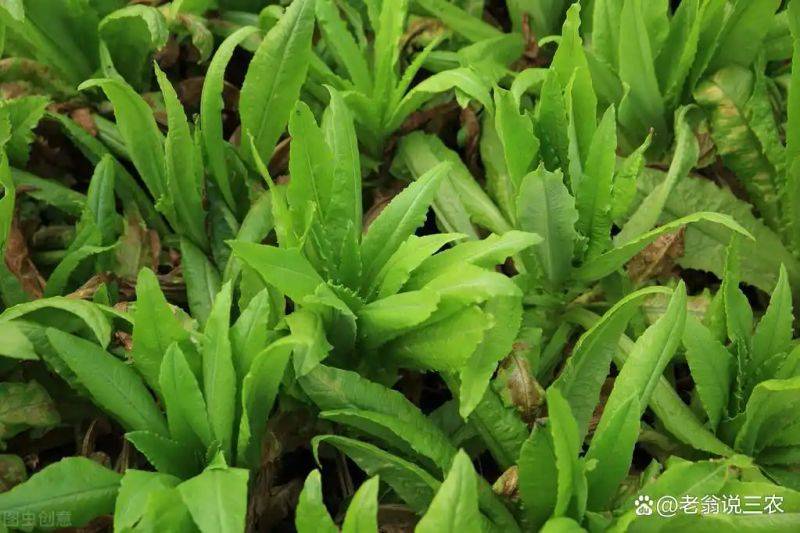
1. Choice of varieties
Autumn planting, long and long-lived, requires a high to low-temperature growth environment. As a result, varieties are selected for heat tolerance during the period of seedlings, high cold tolerance in the later stages of growth, late ripe production, better-quality round leaves and better leaf varieties。

Cultivation
Cultivation is generally carried out. Autumn seeding, mostly in the early part of july, was a hot and hot season that made it difficult for seeds to germinate. Therefore, seeding must be preceded by leaching. The method is to impregnate the seeds with cold water for 3-4 hours, extract a bit of drying into a bag, hang them inside the well, about 30 cm above the water surface, pick them up the next day and wash them with cold water and then hang them into the well. So, after two to three days, most seeds grow. With 100 ppm cactin impregnated for 2-4 hours, growing fast, over 70 per cent having to select high-lying, easily drained plots for seedlings, it is not appropriate to select plots with low-lying water to seed them in order to prevent drought and flooding。
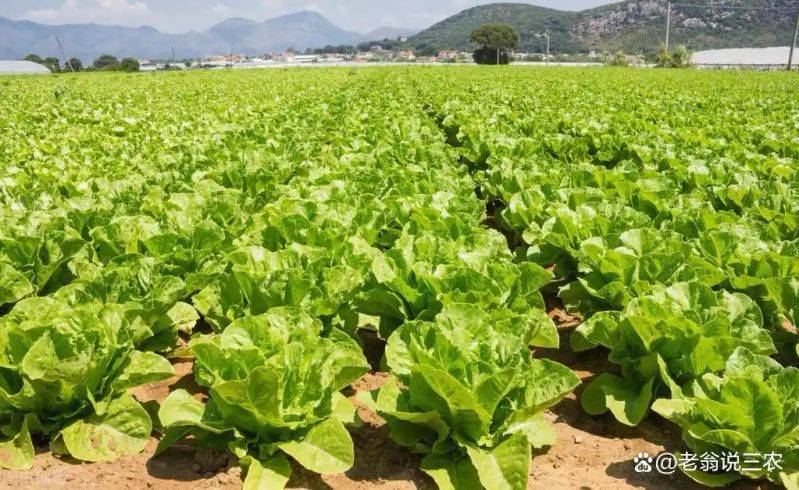
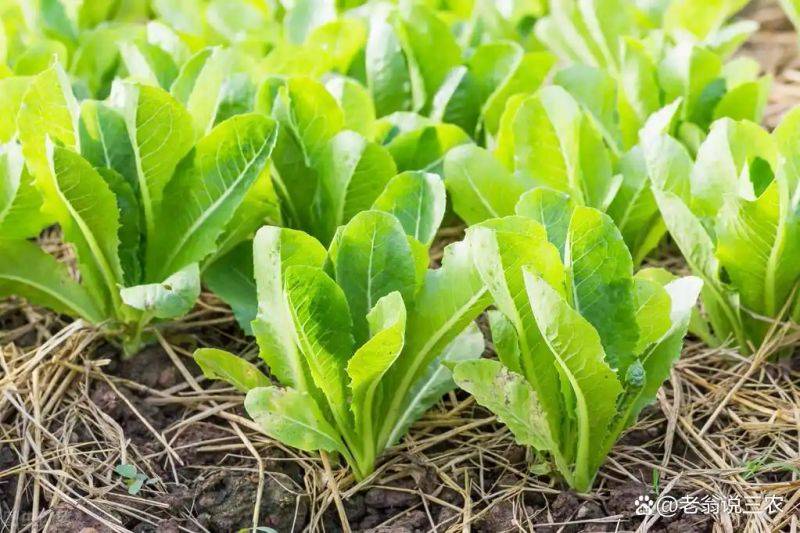
After the selection of the land, 500 kg of decomposed, finely decorated, high-quality compost is applied to base fattening, tilling and drowsing, and is used to form a squared compost of 1. 5 metres wide. Seeding can be done in the evening when the weather temperature is high. Before seeding, the bottom water is poured inside the platinum, and when water seeps, the seeds are spread evenly. The dust is 0. 3-0. 5 cm. In order for the seeds to grow quickly, they can be covered with grass or shades during the day on the seedlings, which will be lifted at night, and the temperature within the seedlings will be reduced so that the seedlings can grow. Then when the seed is brought forth, the grass shall be removed from it at nightfall. The seedlings grow with 2-3 leafs, and the seedlings grow at a time to avoid overcrowding and weakness; the seedlings should be properly managed to water them so that they do not grow。
3. Fertilizing the whole area
In autumn, more medium- and late-run varieties are grown, with long-term and high yields. In order to be fatter, fertile land should be chosen for planting. After the fall of the front crop, the acre was applied with a high-quality ring weight of 5,000 kg, mixed with calcium phosphate of 40 ~ 50 kg or with nitrogen, phosphorus, potassium composite weight of 40 kg as base weight, and deep flatted to sleep at 1. 2-1. 5 m width. If the circle is not fat enough, it can be fertilized after the precipitation, which can be combined with 30 kg of ammonium carbonate as the base fertilizer; it is immediately followed by the deciphering of the ground to prevent ammonia volatilization. Then he will be raised to the ground for planting。
4. Timing
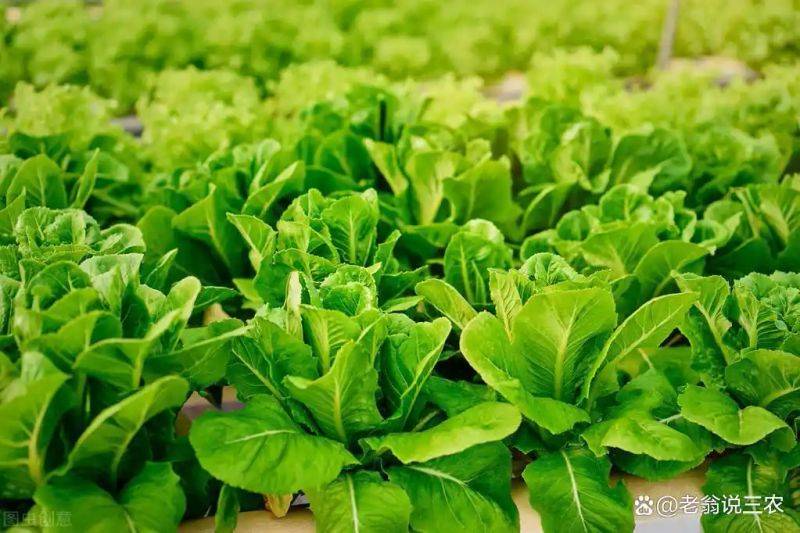
The summer seedlings, which are slow to grow due to high temperatures, grow to the age of about 40 days, up to 4 to 5 real leaves. The planting should be done in the shade or at evening, so as to avoid pre- and post-morning heat damage, loss of water for the seedlings and long periods. One to two days before the planting, the seedlings were watered and the seedlings were ready. When the seedlings rise, the roots shall be kept to a minimum, the soil shall be added, and the seeding shall grow fast. The plant depth is appropriate.
It's just a little deeper in the ground than in the seedlings. It's too deep, not easy to root, and it's not growing well. Cultivation density. Plantation, 25-30 x 30-33 cm, more than 6,000 units per acre. The same species, which are planted early, may have a slightly smaller energy fertility ... Density; vice versa, may have a slightly larger density; and late-cut varieties may have a smaller density. Water should be poured immediately after planting to promote seedlings。
5. Field management
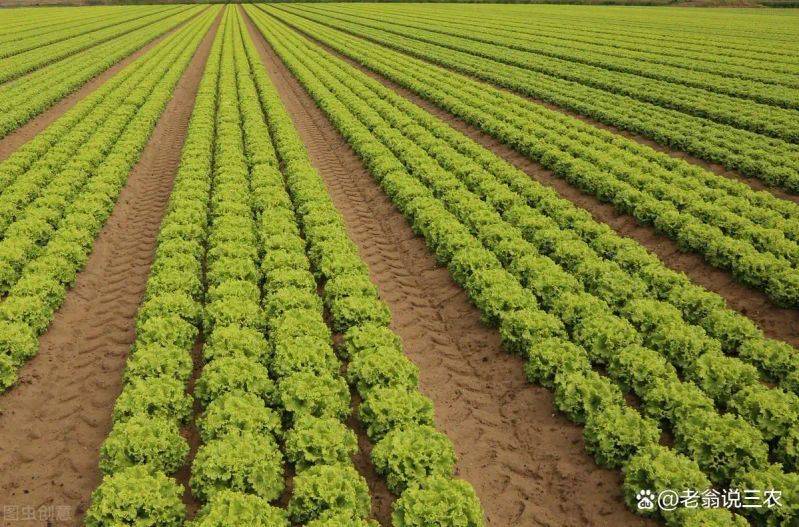
After planting, the following day, when the temperature is high, a water can be poured in the afternoon. It will be repeated two to three days later; after two to three waters have been poured, it will be possible to farm. Acre ammonium sulphate 10-15 kg of ammonium sulphate is applied to fattening after a cooling of seedlings, and pine fields are then ploughed with 1-2 water. About 15 days after the first fertilization, the second fertilisation of the acre with ammonium carbonate was carried out, followed by watering to promote the growth of the leaves. It is a product of fat tubers, often produced by poor management and early recruitment and lower quality。
It's popularly known as "go." in a situation of insufficient fertility, water is overstretched, and young plumes grow in the form of “dry puddles”, which are not only thin, but also thick in the form of thick tubers, as a result of drought and high temperatures. During this period, the normal appearance of the gills is that the leaves are thick and flat, and the leaves are heavily organized, and the top is below the height of the lichen leaves. At this point, water should be evenly poured。
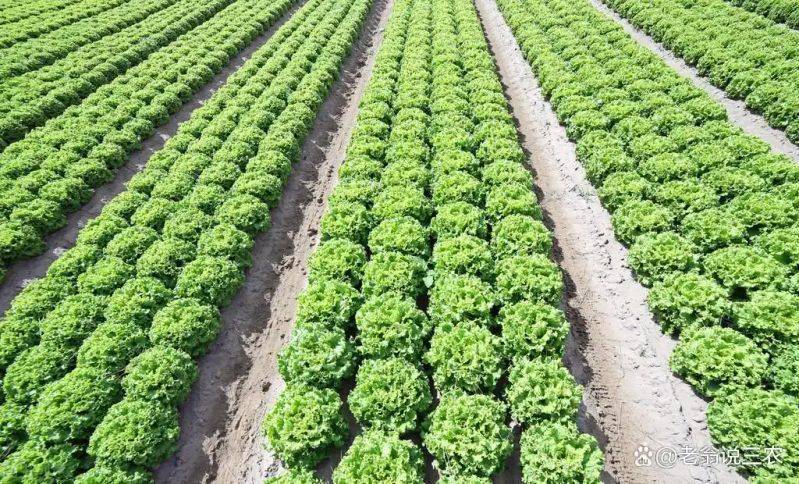
After the plant has been sealed, the tubers enter a rich and long life, so that they can grow thick and fatter. At that time, ammonium sulphate was applied to 10-15 kg per acre and water was poured in time to prevent defecation and water shortages from “go”. It has been reported that, during the booming period, 500-1000 ppm of greens were sprayed with leaves, which had a better effect on curbing tubing. It is an appropriate harvest period when a “basket” is planted。