It's a very common dish, and it's also known as tungsten, but there are still a lot of partners who think they're not the same plants. It contains a lot of vitamins, and it's also a very delicious vegetable, so what we're learning today is how to grow it to make it more productive. Let's look at how the pro-farm network brings us。
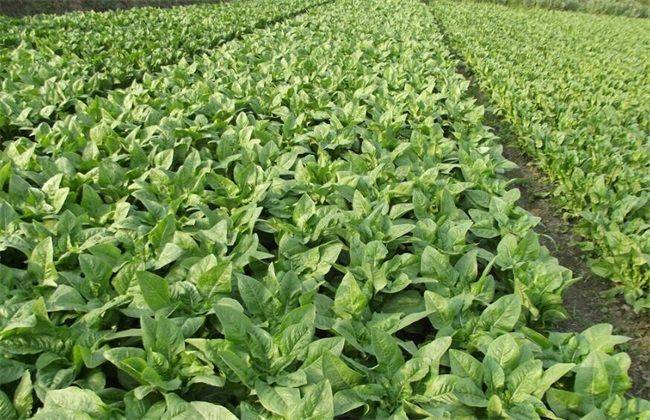
1. Selection of progeny
After many years of planting, a growing variety of species have been developed for different regions and different climatic and planting environments, so we have to be careful when selecting seeds. If we grow in the spring, we choose pre-developed varieties, such as red and white, but if we grow in the summer and autumn, we need to choose heat-resistant varieties, such as hot and white, and the appropriate varieties according to the local climate, because the good and bad of the varieties are the basis for its low yield。
2. Land selection
The choice of planting land is the basic condition for growth, and the soil that grows it cannot choose clay and thicker soil, because it is less absorbent and, if it is not viable to grow in this soil, it is better to choose the soil that is more permeable, for example, sand or border soil. The second is that the bed is to be selected in areas of higher ground and better drainage. The ground is to be turned down and leveled, the soil is to be fined and the field is to be well-established and the drain is to be eased。
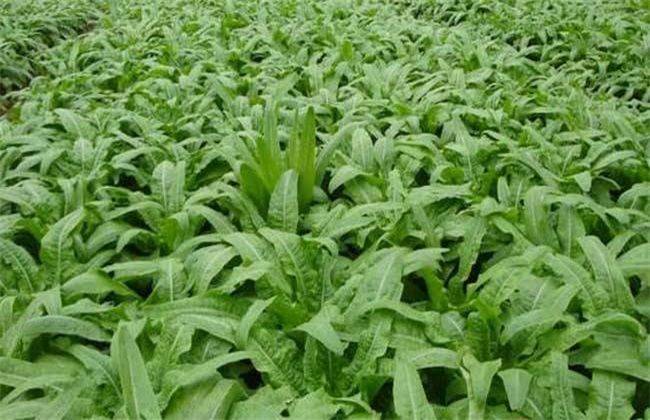
3. Sowing in due course
There will also be some variation in the timing of planting in different regions, and the four seasons have changed considerably in all parts of the country, so the best planting season is planting in march, april in the spring and around september in the autumn, because the temperature in these periods is essentially stable at around 25 degrees, while the growth cycle of the argon is around 40 to 45 days, just before the onset of high temperatures and frost, so production and quality are not affected. We spread the seeds evenly on seedbeds, then we plant them with earth cover, covered with a layer of animal faeces or fatty, and then we put a layer of plastic film on them, so that the seed can germinate, and when the seed grows two leaves, the film needs to be removed or burned。
4. Reasonable secrets
By the time the seedlings grow around six leaves, we will be able to plant, usually in the dark morning or after the rain, so that the survival rate is guaranteed. We plant at a distance of 40 centimetres per row at a distance of 30 centimetres each, with a reasonable density that increases the yield of the thorium, while at the same time making management easier。
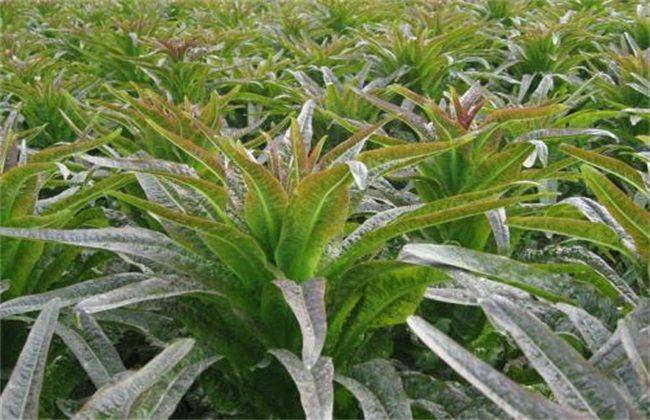
5. Science management
The most important aspects of field management are fertilizing, weeding and watering, and the growth of the platinum, which is mainly designed to dry its tubers, usually requires three fat pursuits. The first was about 10 days after planting, mainly with urine and a little urea in the middle. The second is to wait until the sapling grows to about 25 centimetres for a second fat hunt, mainly based on urea. The last time the tubers were dried up, we were mainly urea-based, and we sprayed the right amount of potassium fat, because if they weren't, the meat would be hard, affecting the quality of the gills. There is also a need for a combination of water and weeding each time fertilization is applied, so that the argon can be fully absorbed and its growth promoted。
Einon's chosen official store
It's better to choose the best
Point below the picture into the einon selection
I think it's good. Let's order 'em