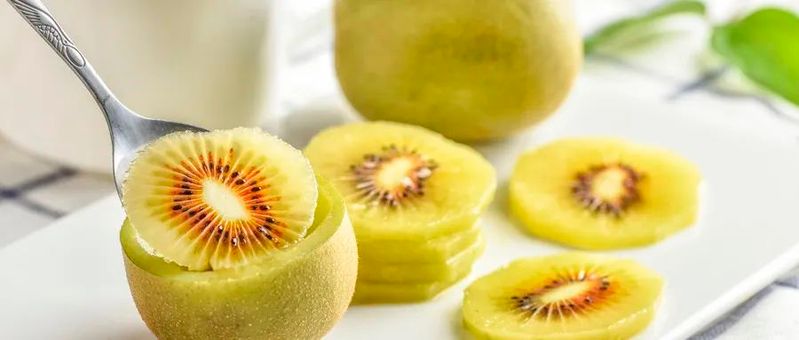
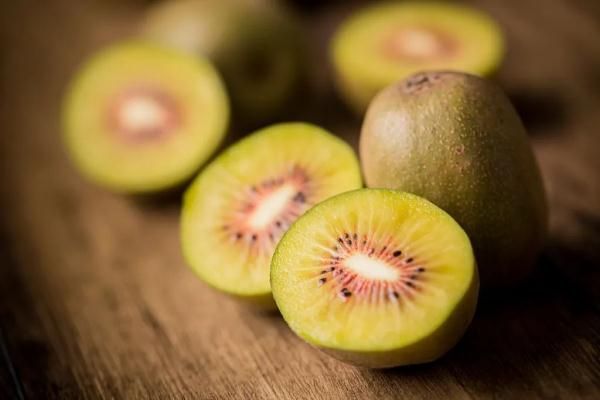
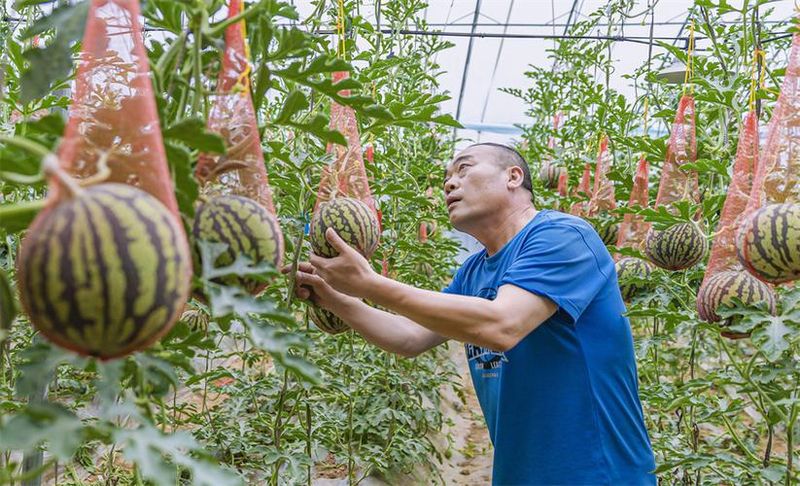
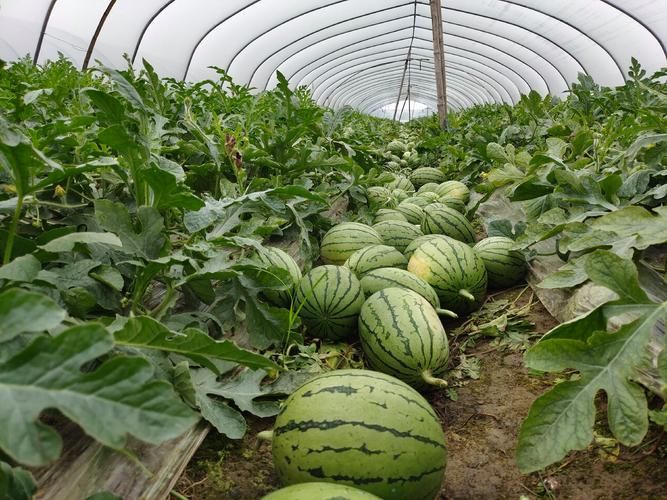
The cuisine is a rare spice, and the supply of cuisine for the anniversary is a major measure to increase the income of vegetable farmers, but environmental conditions are limited in different areas, and the choice of suitable seasons for the cultivation of cuisine is particularly necessary, and only when the right methods of cultivation are in place will the returns be substantial。
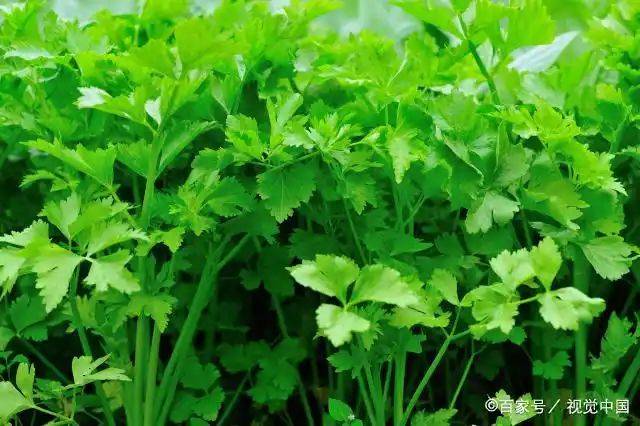
Main production season of cuisine
1. Cultivation during high-temperature periods in the autumn usually took place in july-september and continued in late autumn。
Cultivation after reduced fall temperatures usually takes place in october-december, with arch sheds covered and the market continuously supplied throughout the winter。
3. The spring planting, the march-june seedlings, were harvested before high temperatures and the high altitude areas could be harvested in august-september。
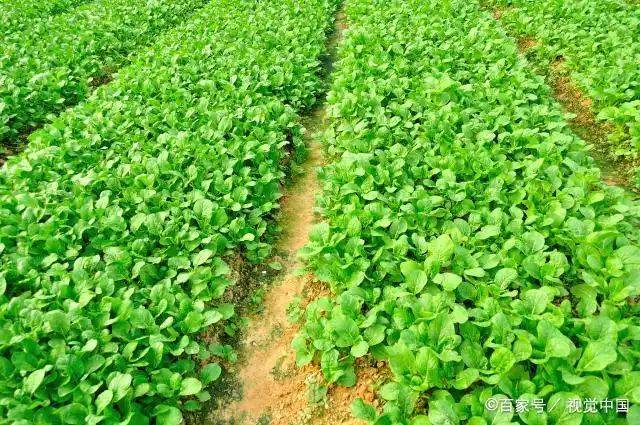
The fragrance method
High-temperature seasons require low-temperature sprouts and shade seedlings. After six hours of drying seeds, the skin of the seeds is immersed in 24-48 hours with external force damage, such as soles of shoes, vegetable boards and platinum, and the seeds are soaked with water, and in an environment of around 20°c for 3-4 days, 50% of the seeds are seeded in white. Seeds are generally sprung in cassava cellars, caves, kilns, basements, and need to be modulated with fine sand to stay wet. It can also be sprung above a deep well, where seeds are wrapped in a gauze for two to three minutes before sprouts, then lifted, placed 10 cm above the water surface, impregnated 2 to 3 times a day and seed is seeded in white。
Because of the high external and soil temperatures and the high intensity of the light, the seed is not conducive to seeding, which can be covered with double-layered sunnets for cooling, with grass curtains, straw, etc. On the ground, combined with watering, soil temperature reduction and soil moisture maintenance, which can occur after three to five days。
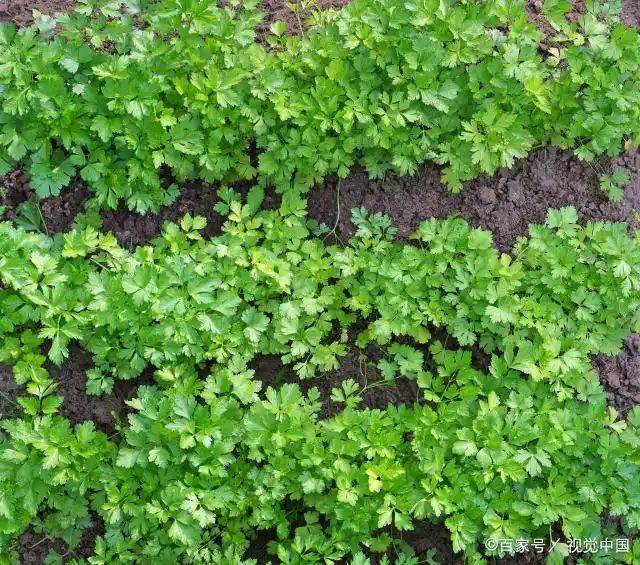
The cuisine, which is grown after the fall temperature has been reduced to 25°c and is mostly broadcast live, is then sowed in time for water and shade, and seedlings are followed by seedlings and seedlings。
In the spring, fragrance can be planted. If cuisine is to be produced from a large shed, it needs to be sprung early. Treated seeds are added to the heating room, either in the room with the heating field or in the heating room, keeping the seeding temperature in the range of 15-25°c, and the seed is seeded when exposed. The cover of the membrane can then be sowed as to increase the temperature, an additional layer can be added, the membrane removed after the seedling has been produced, and the seedlings can be removed after the three-leaf period, starting with the seedlings and seedlings。