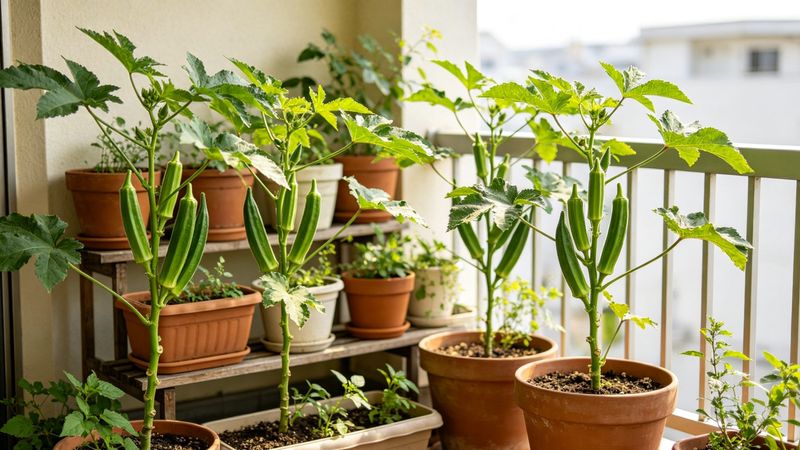
Let's grow vegetables
“nature is one of the strongest and most advantageous means of education, without which even the most nuanced education is boring, one-sided and unconvincing.” thus, education in the natural environment is of vital importance for young children's development, and a good natural environment can bring them a lifetime of growth。
One grass and one leaf in nature can generate interest in the exploration of young children. In order to encourage young children to become aware of nature, to feel it and to be close to it, we encourage young children to explore it and develop mental capacities to make full use of the nursery areas to influence young children. Although children cannot be allowed to grow this year in kindergarten, we use the internet platform to start by directing children to start with the name of the vegetable they want to grow. Our teachers help young children to do this and regularly communicate with the children in order to enable them to be involved. When school starts, children can look after the plants and feel the joy of the harvest。
First, give the child the autonomy to choose the vegetables or plants that he or she wishes to grow and explain the reasons for the choice。
In the group, the teacher asks parents to start counting the names of the vegetables or plants their children want to grow, and the teacher prepares the seeds. It's also to exercise young children's self-choice, and to introduce young children to the choice of this plant. Our lemon friends say he's like growing bamboo. We're surprised when we hear it. Why choose bamboo? He then told us that he would plant some bamboo for the panda because he knew that the panda liked bamboo and was afraid that the panda would have no food to eat. Having listened to the lemon, we can't help but realize how beautiful the child's love is
Teachers explain the steps of planting, so that children can feel the pleasures of planting and the process of changing seeds from germination to outcome。
Our teachers recorded the whole planting process and took photographs and shared them with young children. Every day, photographs are taken, leading children to observe carefully the changes in seeds, from seeds to slowly growing up, and by observing changes in vegetables, they lead young children to learn about the changes in vegetables from seeds to roots, buds, flowers and results. “friends, look, our seeds are sprouting. Are their sprout leaves the same shape? What difference does it make。
Although we have not yet grown up, we will later show young children the difference between roots, tubs, leaves and fruit, so that young children will know which vegetables eat root, which vegetables eat tubs, which vegetables eat leaves and which vegetables eat fruit。
Encourage young children to grow at home and experience the pleasure of growing。
In addition to being available in kindergartens, it is possible to grow at home. We encourage young children to grow small-scale at home with a flower pot or plastic box so that they can also feel the joy of growing at home, and so that children can have the courage to share with us the growth of plants that they grow at home, to experience the achievement of labour and to see the harvest that our children grow at home
Iv. Description of the benefits of eating vegetables。
We also have to teach our children the benefits of eating more vegetables:
1. More vegetables can grow healthy and strong。
2. Overeating vegetables cleans the body environment and controls obesity。
3. Decreasing can be prevented and can help reduce cancer, etc。
It also provides an opportunity for children who normally choose not to eat vegetables to become interested in vegetables and enjoy them。
It will be productive when the children come back, after all the care and maintenance they have received。
Last edited at: 2020. 04. 30 13:04:49
• author ownership, reproduction or collaboration on content
Community components of the [community content alert] are suspected to be generated by ai, and are carefully screened with common sense and multiple information。