



If it's too dense, it's not good。
I used to grow small vegetables on the balcony, so i sow too much, and when i came out, i squeezed them together, and they were thin and yellow, and the leaves were not wide-fingered. Just looking at it, the leaves of the seedlings are attached to the leaves, the roots are wrapped around the roots, and each one is thin as soybean. After half of that, the rest is slowly elasticized, the leaves are wide and the colour is green. Since then, i've realized that planting can't be small。
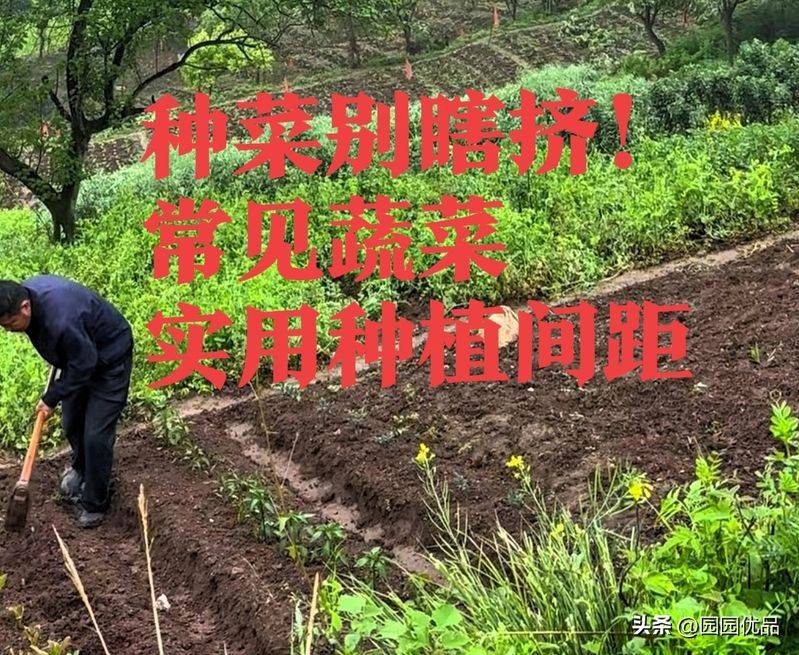
No one will grow up if you squeeze me
A lot of people grow food with this problem — seeds are one piece, and in their hearts, “how many more are several”. Turns out the seedlings were all packed together and nobody could reach out。
Plants like humans need their own territory. It's too crowded, the sun's blocked, the nutrients are not enough, the air is not flowing, the moisture is not scattered, and the disease is easy to find. You fight against me, you don't eat enough。
An old vegetable said to me, and i remember now: "i'd rather grow a little thinner, so every dish will grow strong; the other is too dense, and the last one is a bunch of little ones."
How far should the usual vegetables go
I've been putting together the pits and the lessons i've been learning for years, and they're the usual foods in the family, and they're not usually the same at this distance。
Leaf and vegetables: leave the leaves alone
In the case of cabbage, lettuce and wheat, 15 to 20 centimetres between seedlings and seedlings are sufficient. You can keep it close when you're fresh, and when you grow to three or four leaves, you'll need it. The final criterion is that the leaves are just next to each other, leaving a gap for ventilation。
The spinach can be thickened, 8 to 10 centimeters. Because it's growing fast, and it'll be ready in 30 days. It's not a big deal。
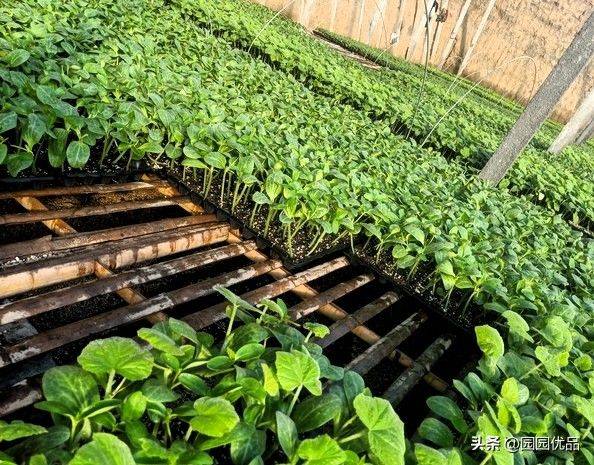
Roots and tubers: underground needs to be spacious
Carrots, carrots, at least 20 to 25 centimetres. These things grow under the ground, and you look up at a few leaves, and they may have grown into a big goose. There's not enough space to grow the carrots, and they're easy to split and deformed。
Potatoes are similar, with a distance of about 30 centimetres, with a wide range of 50 centimetres, and then the earth。
Eggplants: high yield in foot space
Tomatoes, eggplants, chili, these are big people, they have to have their own place. Tomato plants range from 40 to 50 centimetres and walk 60 centimetres. Cheese is a little smaller, 35 to 40 centimeters. The chili can be a little more dense, about 30 centimeters。
I grew tomatoes in my first year too close, and when it grew to more than a metre, the branches were hung together, the fruit was small, and the disease was chronic。
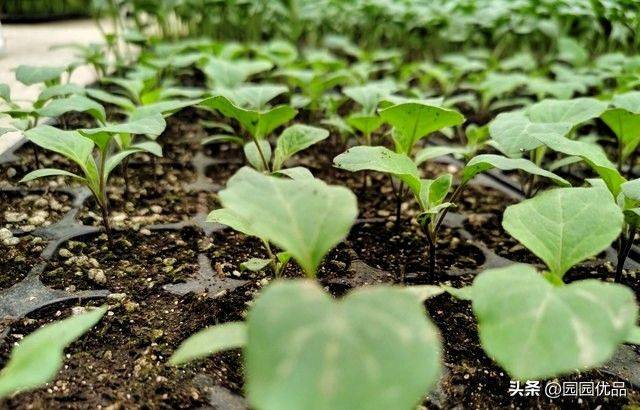
Peas: leave the shelf empty
The cucumbers, the bean horns and the silkmelons, which need to be mounted, range between 30 and 40 centimetres and range between 50 and 60 centimetres. A lot of people think it's possible to grow a little bit more dense, but it's the opposite -- the vines on the shelf are crawling all over the place, so it's too dense to cover up the sun and it's bad for ventilation。
A simple mouth
It doesn't matter if i can't remember the numbers, and i sum up a stupid approach: leaves, palms wide; root and root, long; eggplant, elbows; melon beans, one step further。
The palm is about 10 centimetres wide, about 20 centimetres wide, 30 to 40 centimetres wide, 50 to 60 centimetres apart. Use your body as a ruler。
There's a little trick: it's better to plant than to be greedy. It was felt that it could be filled, but that it was too dense, wasteful and painful。
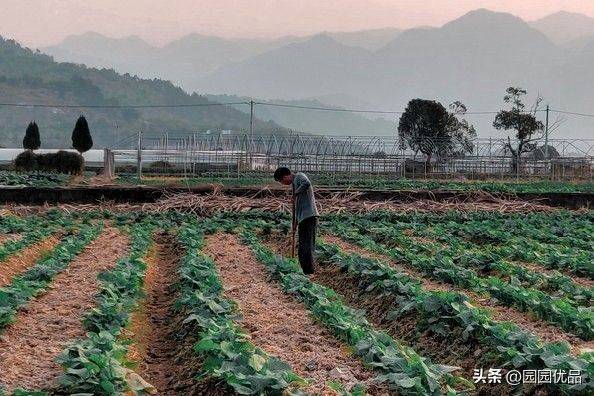
It's not so bad for her
When it comes to saplings, many people don't want to leave and think that every sap is dead. But if you think about it, you don't have to do it。
It's better to do it twice. For the first time, two or three leafs were grown in small saplings, which were especially dense, tedious and looked weak, leaving room for good seedlings. The second time the leaves begin to be done next to each other, this time the final space can be determined。
And don't throw it out. It tastes good, like green and lettuce, but it's small and it's small, and it's clean and it's fried。
First-timers make three easy mistakes
I've seen too many people make these mistakes, and i've done them myself:
The first is the need to leave. It was felt that one more was one, and it was not until the harvest that 30 small and weak seedlings had not yet been harvested much more。
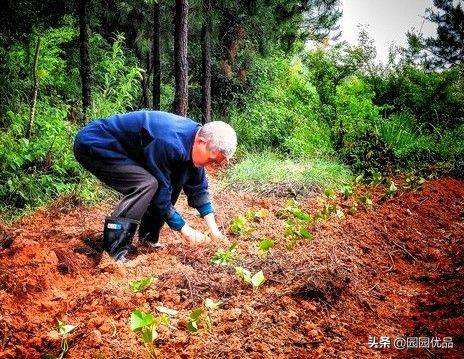
The second is not looking at varieties. It is also small vegetables, some of which can grow as wide as 30 or 40 centimetres, and others as much as a dozen centimetres. When you buy seeds, look at the instructions, and press the space recommended。
The third is that distance and distance are often easily confused. In fact, line spacing refers to the interval between two rows, while range refers to the distance between each plant in a row. Generally, the distance is broader than the distance, which facilitates movement and management of personnel。
My little experience
One of the big things about growing vegetables all these years is: don't take the land with it. You give them space, they pay you back with good harvest。
Now, every time i grow a dish, i'll have a ruler in the field, a stick to draw a grid and a seed to press. It's a bit of a problem, but it's a lot less to worry about。
If you have a small home, you can grow in a balcony or a foam box, you need to control density. A little foam box, three or four pickles, don't be greedy。
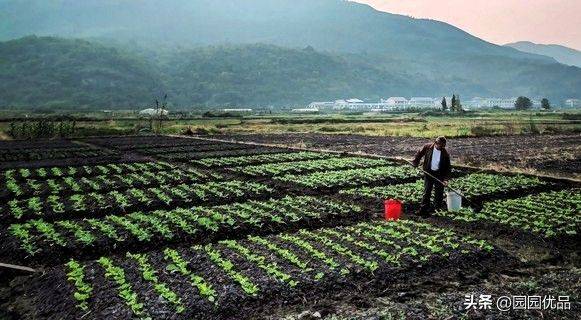
Old vegetable reminds me that these spacing numbers are not mandatory
It needs to be adapted to specific species, seasons, soil fertility. It'll be a little bit thicker when it's good, and it'll be a little thinner in the summer, so the air will flow better。
We can't afford to grow food. We can't afford it. The day that each dish is left enough for them to give you back a small, tedious garden。



