


Pillards are cold and wet, prefer the fatty and liquids of grown farmers, guard against high temperatures and hot suns and soil water, and have a good temperature in the spring and at night and at night。
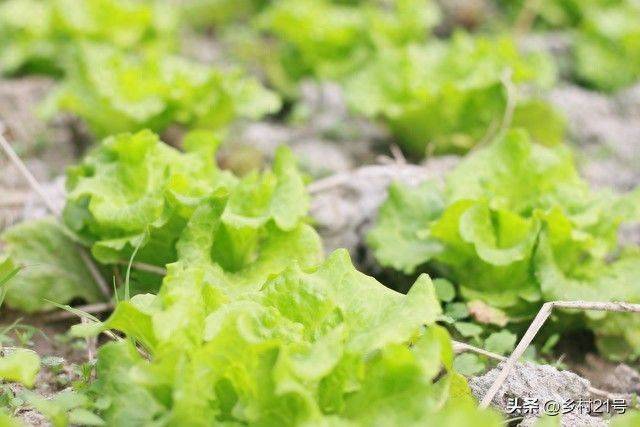
Vegetables are grown with short cycles, with few pests and easy to manage, either in garden gardens or in a balcony. Knowledge of scientific methods of growing can be effective in improving the quality and production of lettuce, which is described below as the right step to be taken in order to help grow small and large vegetables。
I. Improved gardens: building the foundations of the growth of raw vegetables
The root system is distributed mainly within 15 centimetres of the soil surface, with soil laxity, fertility and drainage directly determining the strength of the lettuce, and the improvement of the vegetable field is the first stage of production and requires a three-step core operation of bottom fertilisation, shallow tillage and rise。
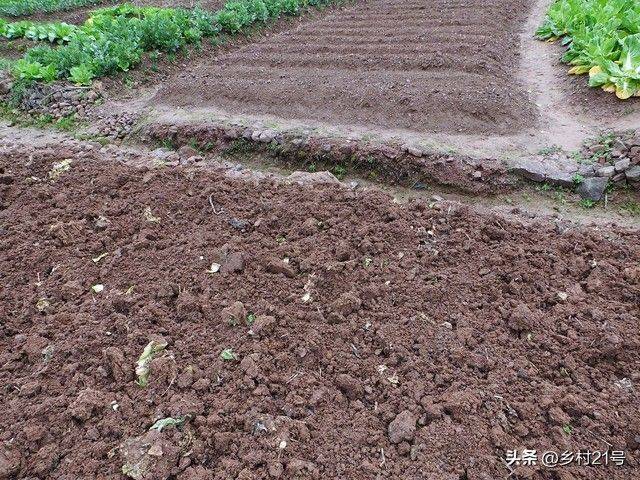
First, the application of sufficiently fermented chicken manure, goat manure or pig manure is applied evenly on the surface of the vegetable field, ensuring the soil base fertility, providing sufficient nutrients for raw vegetable growth and avoiding post-decomposition. Second, the ground is covered by shallow tillage, with hoisting or ploughing, at a depth of 15 centimetres, without the need for deep tillage, while the earth is razed to ensure that the soil is thin and hard, and that the root roots of the vegetables are established to absorb nutrients. Finally, it is protected from flooding, with fertilizing at 1. 2 metres wide, 15 metres high and 30 centimetres wide, and digging 20 centimetre wide drains between fertilizers, which effectively avoids the dry and exhausting growth environment caused by the accumulation of water during the rainy season。
Ii. Cultivation: addressing the problem of inequality
The small size of the raw seed seed, which can be distributed directly in an uneven and fragmented manner, not only makes it more difficult to manage, but also leads to mixed growth of the raw vegetable, the early breeding of which is the key to managing the seedling。
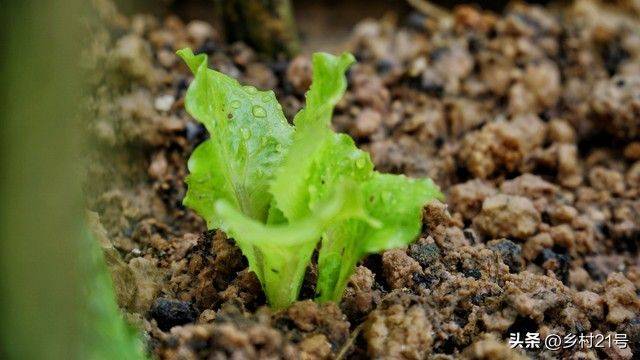
Instead of immersion before seeding, areas in the vegetable field that are fertile and moderately luminous (3-4 hours of dispersing) are chosen as nursery beds, which are pre-fed with bottom water, so that, when the water is fully permeated, the seed of the raw vegetables is spread to the nursery, covering 0. 5-1 centimetres of fine soil, with light pressure to prevent the seeds from blowing away by wind. The seeding is followed by the wetting of the soil of the nursery bed and daily water each morning and evening in order to avoid heavy flooding. Upon seed production, seedlings will be uprooted in a timely manner to ensure a 2-3 centimetre growth space between seedlings and to promote healthy seedlings. When seedlings are produced at 3-4 cm height, they are complete, and they are stable and suitable for planting。
Iii. Mobilization: improving the livery of employment
The best time for planting is when raw seedlings grow 3-4 leafs, which can reduce the damage to the roots and increase the rate of survival, while ensuring that it is well grown and managed later。
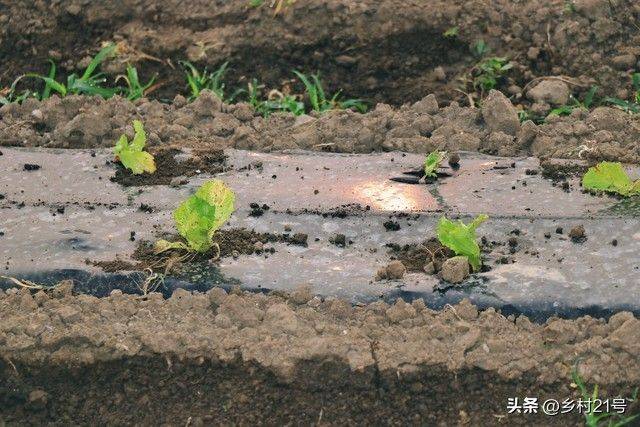
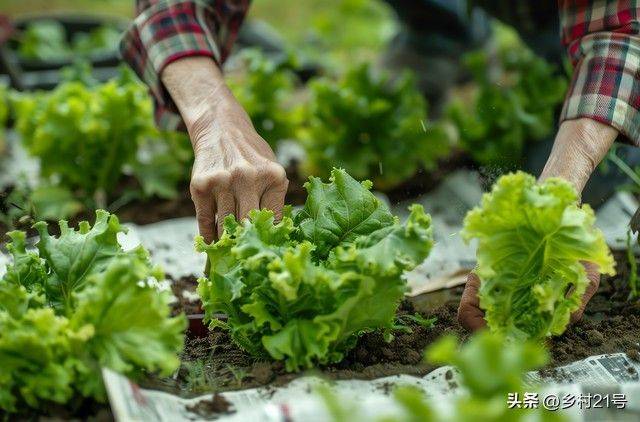
The day before the planting, the nursery beds were watered, the soil softened and the seedlings raised with as much dust as possible to protect the seedlings. Cultivation is carried out using a cavity-planting method, which first determines the spacing of the plant by 20 and 25 centimetres, and in order to ensure that the plant is properly grown, it is possible to locate the plating line and dig up the caves at a depth of about 5 centimetres along the line. In each planting den, a suitable amount of decomposed liquid fat (e. G., human urine fermentation) or a small half-pit compost covered with two centimetres of fine soil is poured into the den, the seedlings of the raw vegetables are placed in the cavity, and the soil is put back in order to ensure that the roots are stretched and attached to the soil. The plant is immediately replanted with water from its roots, which promotes rapid and slow seedlings, and is watered once a day after planting, lasting three days, to increase the rate of survival。
Water fertilizer management: promoting the rapid growth of raw vegetables
The fact that lettuce is wet and fat, but not resistant to flooding, and that the management of water fertilization is based on the principle of a small number of times, wet rather than flooding, and that it is a central element of its rapid growth and soft taste。
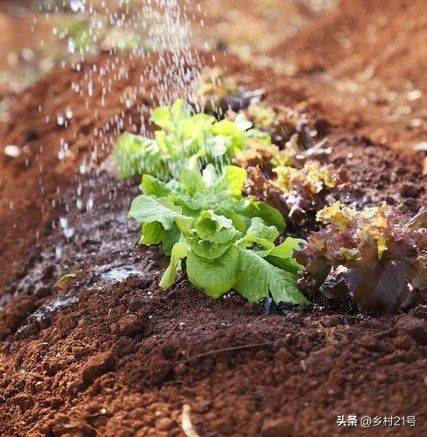
With regard to watering, the raw vegetables are shallow, and the soil must always be wet, with a small and slow amount of water being poured, so that the soil can be wet enough to avoid heavy flooding leading to the accumulation of the roots. Light water is poured every day in the middle of the day, when the morning is chosen; it can be watered the next day, and in the middle of the rainy day, drain the drain and drain the water. In the application of fertilizers, raw vegetables are the most effective for liquid fertilization, with a particular preference for manure fertilizers. After planting the seedlings (five days after the date of the contract), the fattening begins, the liquids fall down every five days and are poured directly into the root of the seedlings to avoid the burning of the leaves by exposure to the leaves. In the absence of liquid fertilizers, a small amount of corroded compost can be distributed every seven days in the balconies, and water can be poured after the balconies to promote nutrient absorption. The seven days before the harvest, the fertilization was stopped and the raw food tasted sweet。
Concluding remarks
The low difficulty and short growth cycles (from planting to harvesting for about 30 days) of raw vegetables, with very few pests and no need for frequent medication, are natural green vegetables. By following the four major scientific steps of “improved vegetable gardening, seeding, planting and management of water fertilizers”, a large, fat, soft-student vegetable can easily be grown in the spring. Eat at your own table or share it in small amounts, you can reap the pleasures of growing and fresh taste



