


Today, we're going to cuddle up the broccoli. Every step of the way, from seedlings to seedlings, it's broken, and you're gonna do it. The orchids are big and big and tight, eating what they call a perfume
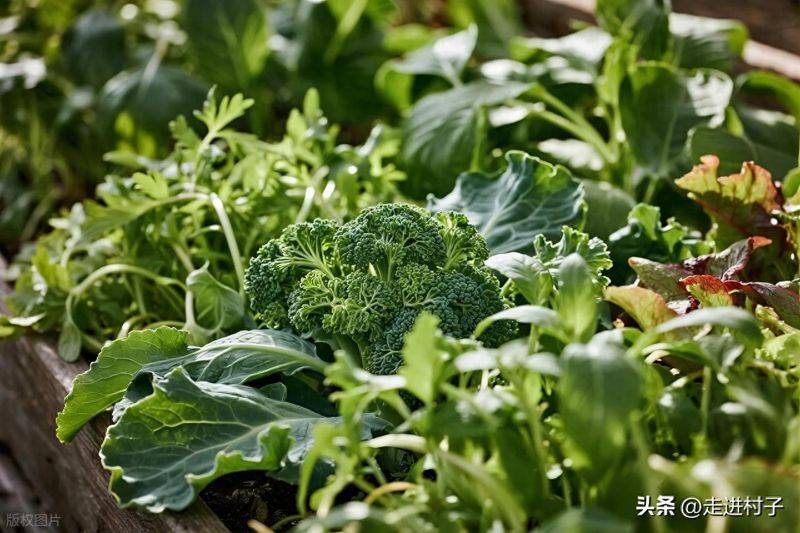
This is the first step towards a high yield of broccoli, which will save half of the effort in later management. First of all, we're going to pick out those species that are very disease-resistant and have a high ball-break rate, like the best and the best。
After selection, the seed is tanned, the seed is tanned in a clean tan and tans in the sun for two to three hours, thus breaking the hibernation period of the seed and increasing the gestation rate。
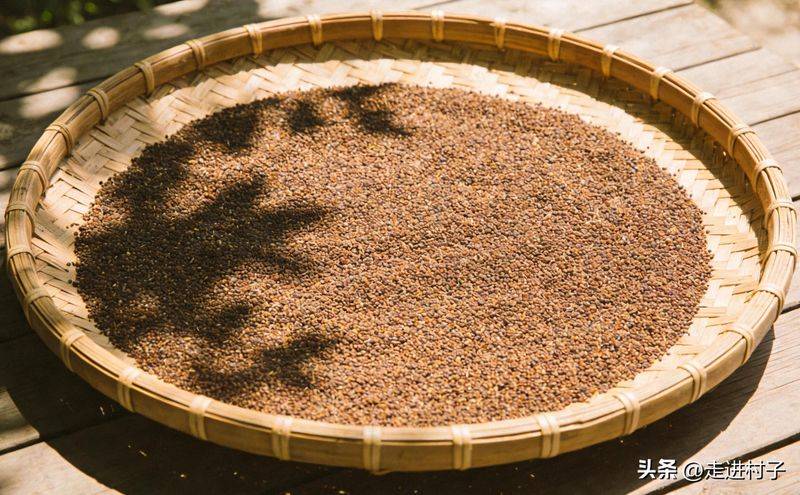
The seedbeds are then prepared, which are chosen where the ground is high, well drained and light is satisfied. The soil has to be mixed with decomposed farm manure and vegetable garden land, which is mixed at a ratio of 2:4:1, and the farm manure must be fully decomposed, otherwise it is easy to burn and feed insects, and it is best to be semi-carbonized. And when the earth is made thin, it is made into a pitcher of about 1. 2 metres wide, and the surface is flattened, and then the bottom water is poured out, and when the water penetrates, the seed is spread evenly over the pitch, so that when the hand is light, it is not piled. After planting, a layer of 1 cm thick ground is covered with seeds, which are too thick to break。
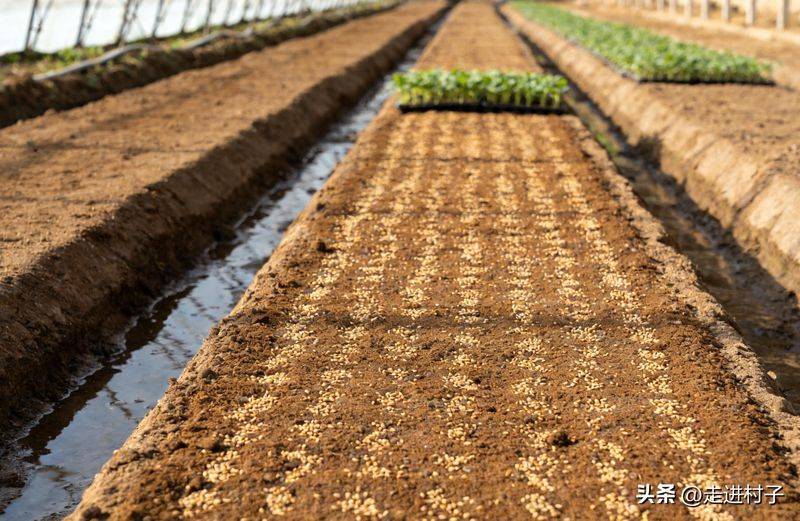
After the soil is covered, we can build a small arch on a nursery bed with a thin film that will keep the seeds warm and wet. At 20-25°c, 5-7 days of seed production occurs. When the seedlings grow two leaves, they start to ventilate, tearing the film open a little at 9 a. M. And covering it at 4 p. M. The ventilation can make the seedlings stronger and difficult to grow。
By the time the orchids grow into two real leaves, shizumi's step will be in love! The purpose of the sapling is to provide sufficient space for small seedlings to avoid congestion, so that each seedling can suck its nutrients and tan the sun. The sapling should be based on the principle of “de-emergence, de-sorting”, first removing the weak saplings that are long and yellow, then separating the small saplings that are cooped up and keeping the distance between the saplings at 3-5 cm。
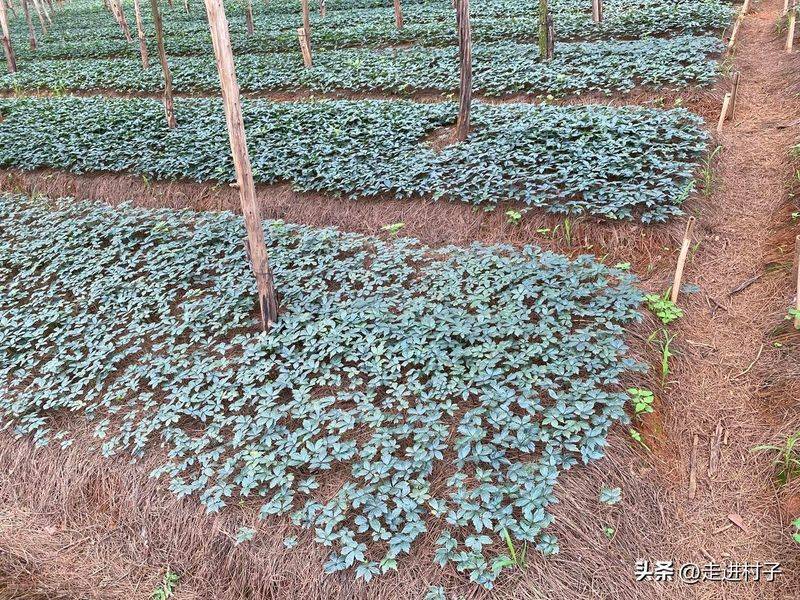
Shizuku should act lightly and not touch the roots of a strong seedling, preferably by pouring water one night earlier, and then the seedling after the soft soil. Once the seedling is finished, a “deep root water” will be poured on the seedbed, which will be soaked that the seedling's roots and soil will be better aligned to reduce the impact of the seedling on the seedling. Attention will then be paid to weeding the seedbeds, which will take the seedlings ' nutrients and remove them in time for discovery. When small saplings grow into four to five saplings, they can be prepared for transfer. The small saplings at this stage are well developed and have the highest survival rate。
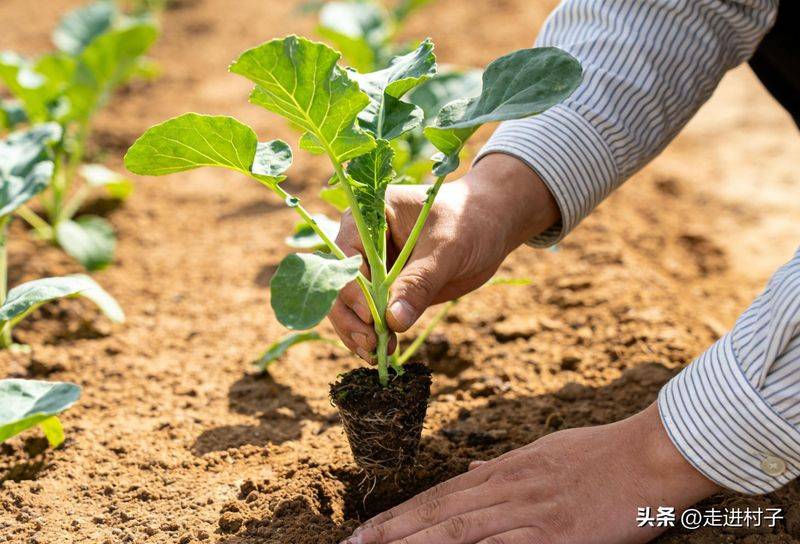
Nor can the preparation for the transfer be easy. First of all, the orchids like fertile, loose, well drained sandy soil, and it's better if we don't get ahead of the crossbrills, like the soybeans, the cucumbers, and the pests. After selection, the soil is cultivated deep at depths of 25-30 cm and is then applied to the bottom. The bottom manure is dominated by decomposed farm fattening, and the fertilizer and soil are fully modulated and then made into a 1. 5-metre-wide acreium, which is flatted and digs a pit at a distance of 40 centimetres and 30 centimetres from a line, which is about 10 centimetres deep。
It would be better to move after dark days or after 4 p. M. At a time when light is not strong, temperature is appropriate and small seedlings are not susceptible to atrophy. When seedlings are brought from the bed, they shall be carried with them, so as to protect the seedlings' roots and increase their productivity. When the seedlings rise, they shall be put into the pits, and they shall be set straight, then they shall be filled with soil, so that when they are filled, they shall not contain the leaves of the seedlings, otherwise they shall affect their growth。
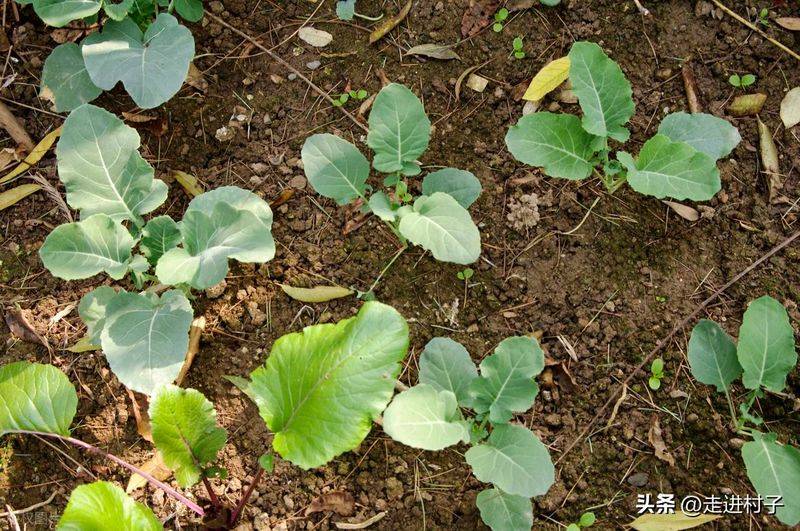
Once the planting has been completed, a “dwelling water” will be poured immediately, which will be soaked that the soil and roots will be closely bound together. During the first three days of the planting, water is poured on a daily basis to keep the soil humid and to assist small seedlings. When small seedlings slow down, the frequency of water can be reduced and the soil surface is white and then watered, following the “dry-wetting” principle。
We can also fatten the seedlings once: urea and urea will be diluted with water, so the seedlings will absorb quickly and will not burn easily. The management of chinese tillage, fattening, pest control, etc. Is then slowly carried out as small seedlings grow。
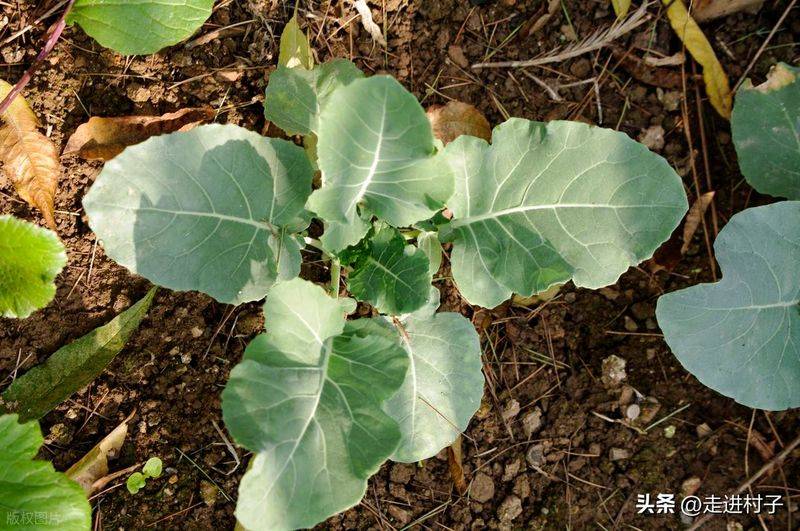
The three-step method of planting orchids, seedlings and plantings is over, but it's not so hard. The key is to get the details in place. When you grow, you keep your temperature and humidity under control, and when you grow, you keep your roots protected



