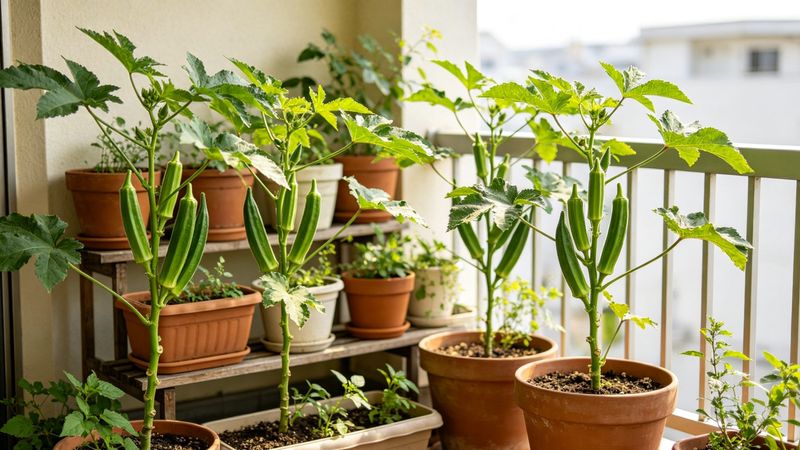
There are many kinds of beans, such as beans, beans, beans, beans, lentils, lentils, etc., which everyone likes to eat. They grow every year, like in rural areas. Like other vegetables, bean bean horns must be grown with water, fertilizer and management. So, what do we do with soybeans? How do you water it? When do you catch fat? How high are the bean horns? Let me talk to you today。

One. How do you apply the bean bean bottom
Bottom fertilizers are generally used in the planting of bean bean bean horns, and there are a variety of methods used to use them, ranging from mixing of fertilizers into the soil when the ground is torn down, to spreading them in a ditch during planting, or putting them into a cave. In addition to the fertilizer mixed in the soil, the fertilizer is at least 5 cm or more away from seeds or roots, regardless of whether it is applied in the ditch or in the den. Fertilizers are preferable to fermented organic fertilizers, which cannot be used without fermented fertilizers, and less organic fertilizers can be combined with compound fertilizers for bottom fertilizer。
2. How to water
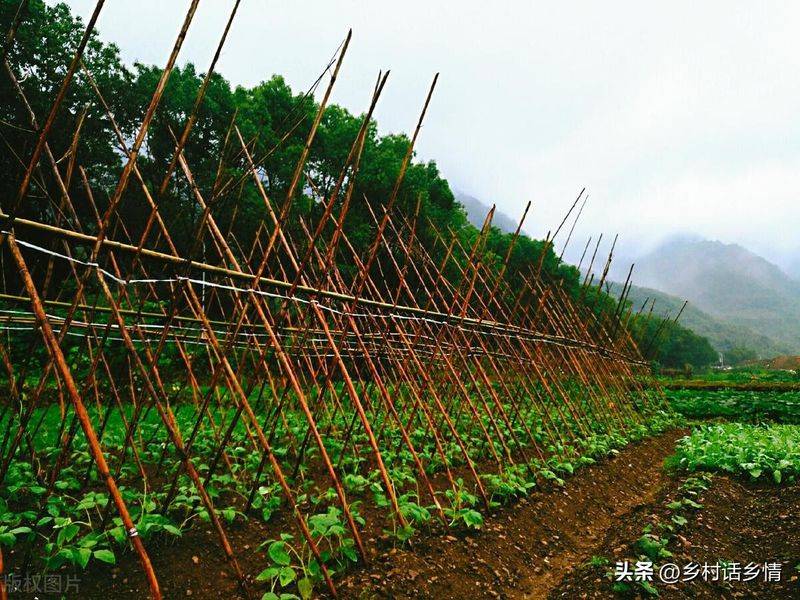
Bean bean is the most wet crop, and the roots are stung and decayed for a few days if immersed in water for an hour. Even if it is not soaked and the soil is wet enough, the roots are ageing, red roots, rotten roots, etc. Thus, bean bean bean is watered for different periods of time, sowing and then before seeding, and the soil is wet and difficult to dry, to the benefit of seed sprouts and seedlings. The seedlings grow from the leaf until the flowering season, and the soil is not very dry, so do not overwater. It is true that the soil is dry and can be slowly watered down. When the flowers begin to bloom, water is kept as low as possible, and when the first bean beans sit, the soil surface is dry and wet, it is not dry or too watery。
When's the fat chase
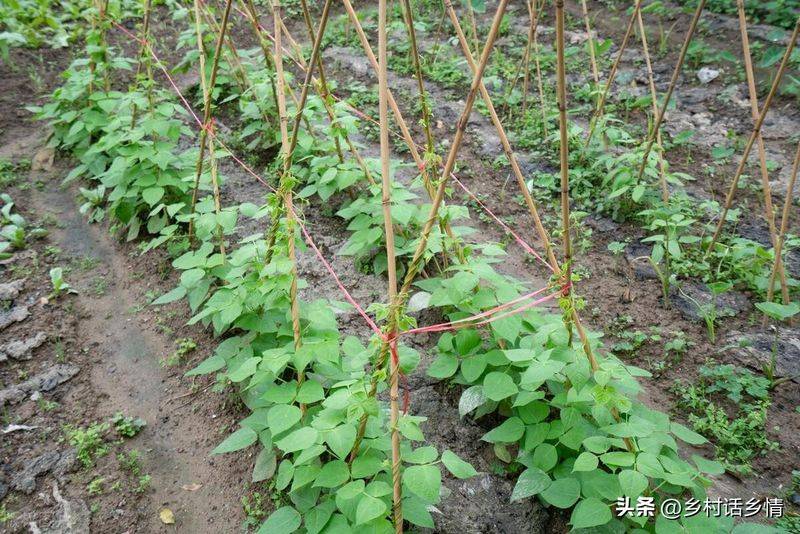
Bottom fertilizers are generally used in the planting of bean bean horns, and those who use bottom fertilizers are generally not followed up until the flower blooms, and if they are too fertilized and watered, they tend to lead to the growth of bean bean bean bean bean bean bean bean bean bean horns. The best time for a bean is when the first bean is about 3 cm long. Fertilizers can choose fermented manure, bean pie, balanced fat, etc. If bottom fertilization is not applied at the time of planting, it can be followed up once after the seeding has taken place, and once the bottom fertilizers wait until they begin to fertilize. Also, when the bean vines begin to climb, they spray leaves with molybdenum and bovine
When will the bean bean bean top
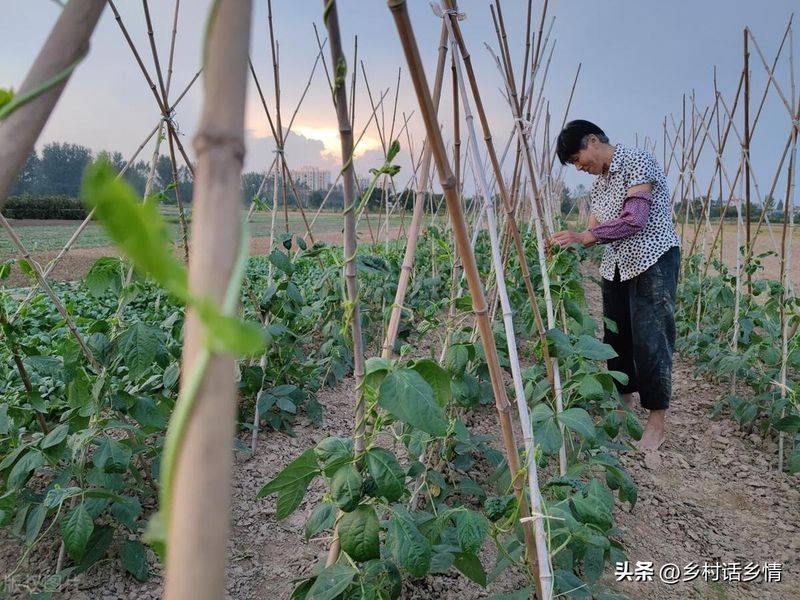
There's a lot of talk on the internet about toping bean bean bean horns. Some say bean bean bean bean bean bean bean bean bean bean beams top 20 centimetres, others say 50 centimetres top, and it's all wrong. The frame can also be tested on its own, tops 20 centimetres high and bean bean beans will not grow for long. One more, the bean horns would have been a lot of forks, and there's no need to hit the top at all. The right time for the bean horns to peak is when the vines crawl and then there is no place to climb. At this point, the tops can avoid entanglements of the top vines, increase the wind and light, and benefit the bean-fruits。
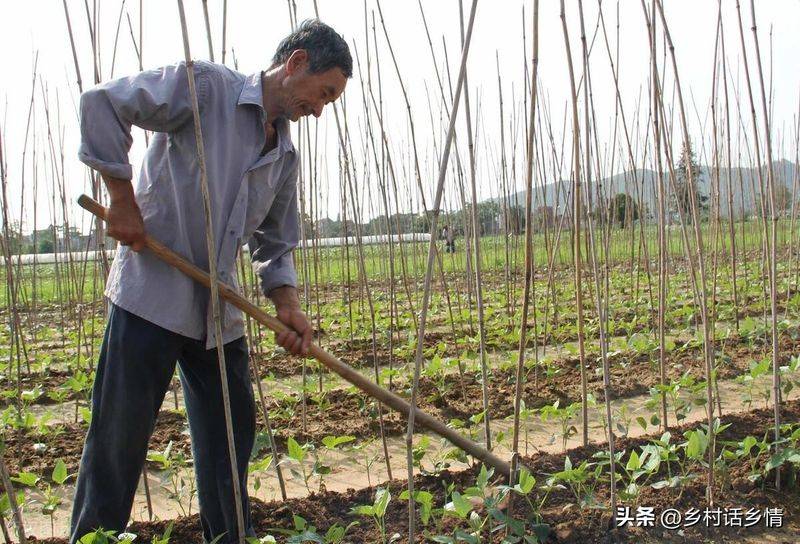
Five, how do we split it
Many of our friends may not have heard of soybeans, but here you can tell that soybeans can do it, but not all of them. Give the bean bean a split fork, and when the bean bean appears, break the fork below 20 cm above the ground and keep the fork above. Drop the fork below and push the fork above. Although the fork below also has bean horns, most of the bean bean bean horns are attached to the ground and are not only of poor quality but also prone to pests and pests. The purpose of removing the fork below is to leave nutrients to the fork above and to allow for more splits, more flowers and more bean bean horns。
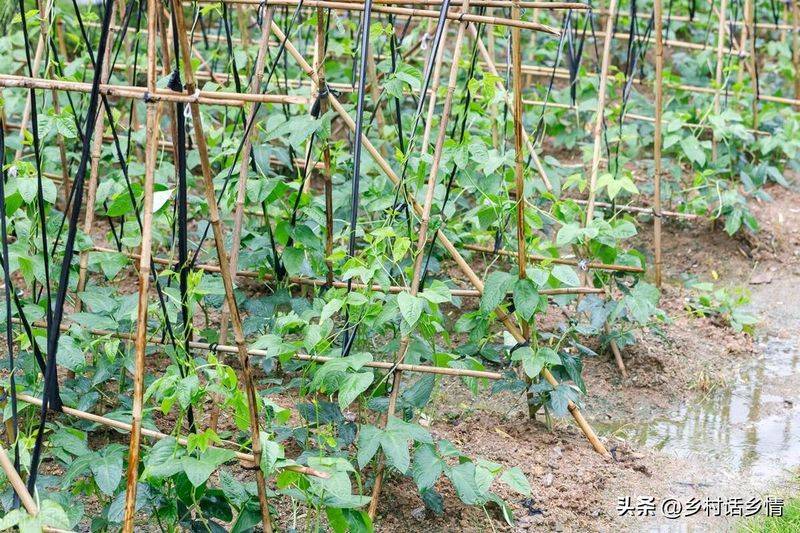
In short, the above points are crucial for the planting of good bean bean beans, and it is hoped that they will help you a little。