I. Temperature requirements:
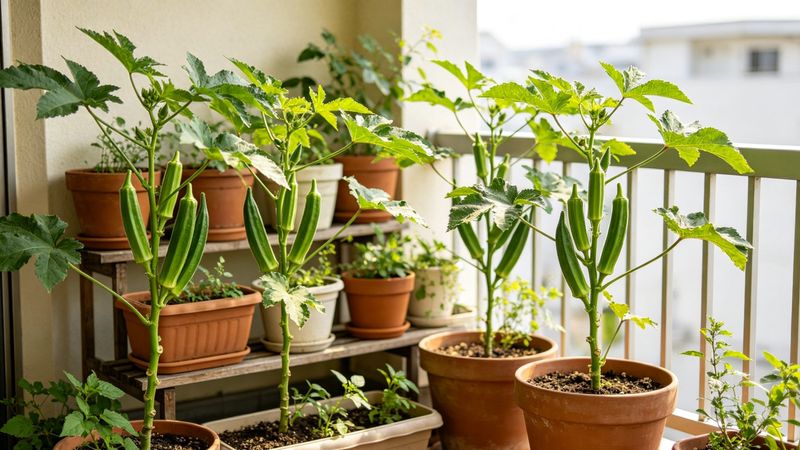
Pepper seed sprouts 25-30°c, less than 15°c, and not easily sprouts. The seedlings grow at temperatures of 25-27°c during the day and 18-20°c during the night. Earth is at above 18°c。
Ii. The duration of the production of peppers in general:
Hot peppers are generally seeded in the central and downstream parts of the yangtze river in october-november, north-east china in february-april and south china in december-january。
Iii. Age of peppers:
Saplings age 90-100 days in the south and around 60 days in the north。
Iv. Standards for pepper seedlings:
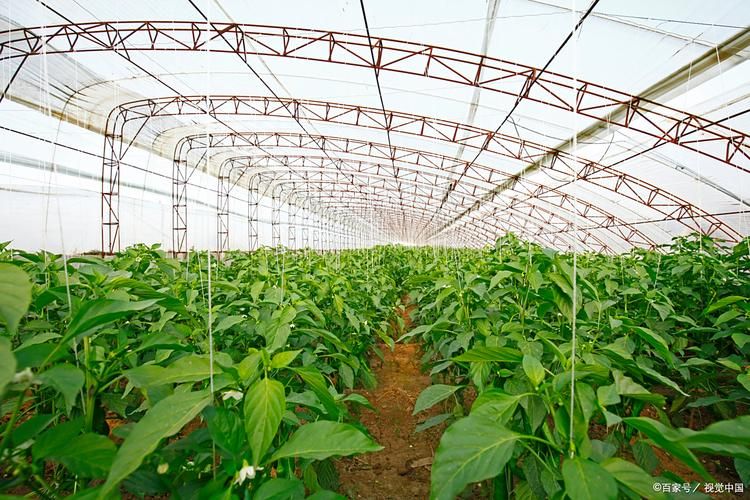
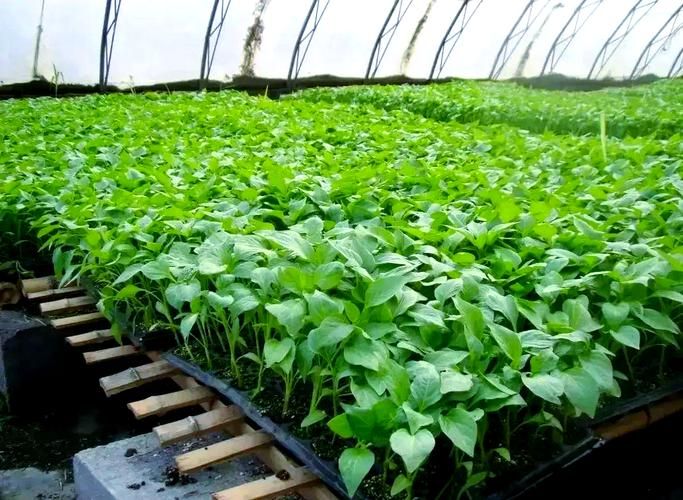
At the time of planting, peppers are generally required to be 18-25 cm tall, with 9-14 real leaves, full leaves, large and thick leaves, large buds and well-established roots。
V. Preparation for broadcasting:
Selection of seedbeds: choosing the backwind to the sun, the high terrain, the high fertility of the soil and former plots of uncultivated eggplant crops。
Seed sterilisation: pepper seed can spread many diseases and seed sterilisation is required before seed planting. A 10% sodium phosphate sodium leaching for 10-15 minutes is relatively blunt. A 5-minute leaching with 1% copper sulphate solution can reduce the incidence of anthrax. After treatment, seeds are washed and replanted with water。
3. Sterilization of seedbeds (1), with 70% of methyl tobuzin humid powder mixed with polybacterium 8-10 g, 5 kg of corroded soil mixed in the nursery. (2) 30-50 ml for each square metre with water of 3 litres of sprayed seed bed, and then a thin membrane covering it for a period of three days, so that the seeding can take place only after the odor has disappeared。
Seed treatment and seedling:
Seed treatment: conventional hot soup impregnation. The amount of water used is five times that of the seed, and the seed is immediately mixed in 55 degrees of water, until water temperatures are reduced to 30 degrees, and then impregnated for eight hours。
2. Drumbing: the immersed seed will be drawn first from the slime on the skin and then wrapped in a wet sheet in the warmth. The turn and wash of seeds should be strengthened during the sprouts, with two rolls per day, drying the water with a washing machine after the leaching, and pepper seed can germinate for 4 to 5 days at a temperature of 28-30 degrees。
Seeding and management:
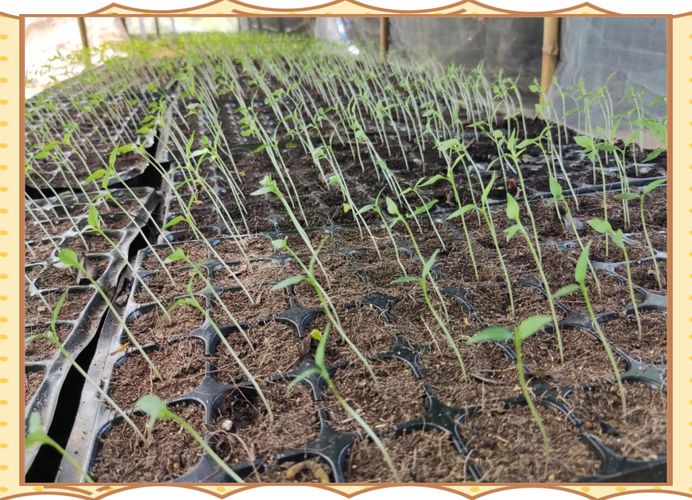
Bed soil* is a soil that has not been grown in eggplant vegetables for three years. The bed is sifted, the seedbeds are levelled, the bottom water is poured before seeding, and when the water is fully permeable, all the seedlings are spread on it, and a centimetre of the soil is planted behind it, and the membranes are filled in time to increase the temperature and to keep it wet and to promote early seeding. The membrane was removed in a timely manner after 70 per cent of the seeds were seeded. When the leaves of the seedlings are flatened, and the seedlings are sprung up in time, then they are uprooted from the dense, sick, deformed and poorly developed seedlings, then they cover their roots. The seedlings are sprawled up to two – three real leaves, and are grown at a density of 6 by 6 centimetres, one per lavender, covered with well-equipped seedbeds, and filled in. Daytime temperature management is 25-30 degrees and night temperature is around 15 degrees. The temperature is maintained at a high temperature, the temperature is gradually reduced and water is controlled 10 days before planting, and paprika seedlings are improved to adapt to the conditions in daejeon as soon as possible。
Viii. Management of sapling periods:
1 temperature management: before seeding, the temperature is high (25-30°c), after seeding is reduced to (22-28°c), the bed is kept humid, usually 5-6 days before seeding, and when seeding is produced, be careful of the insects, the membrane is removed in a timely manner to prevent the burning of the seedlings, while at the same time it is ventilated at noon in the middle of the day, with subsequent gradual increase in the ventilation time for refining。
2 water management: when seedlings are produced, water is controlled, wetness over the bed can be soaked with grass and ash, and water is poured depending on the soil, depending on whether it is dry or wet, otherwise the humidity can easily lead to sudden fallout and deadness. The water must be watered in the morning of the sun, and it must be watered in time for ventilation and humidity。
3 fertilizer management: the seedling * leaves grow in time and grow, and a compound fertilizer (15:15:15) is applied about 20 kg. In the two weeks preceding the planting, 0. 2% urea + potassium phosphate was sprayed once, and in the three days prior to the planting 75% of the 100 microbacterium was sprayed at 800 times to control transmission。
(a) to establish the following:
When the seedling grows to 40-45 days of age, 5-6 leafs are planted, before planting * the appropriate amount of water to keep the nutrients alive, and the next day the field is planted。
X. Other:
Paprika can be planted with dry or wet seeds, even seedlings, with seeds of 15-20 grams per square metre seedbed. When 50 per cent of seeds are seeded, straw and membranes should be removed immediately and some water sprayed at noon (to increase the temperature of the water by placing it early in the shed) to prevent “caps”. After the seedlings were released, the thin film on the small arch shed was lifted during the day, light was observed, a moderate draught was released at noon, temperature was maintained at 20-25°c during the day and 15-18°c at night. The soil of the bed shall not be white nor watered, and the water shall be watered at noon in the middle of the sun, followed by ventilation and moisture. It's good for paprika to grow when it's all in its heart. In general, each plant is planted within a nutrition cluster. The nutritional diameter is 8 cm x 8 cm and 130-140 units per square metre. The management of the pepper season is primarily temperature-controlled, with 23-25°c in the daytime and 13-15°c in the night, and cold weather is temperature-proof. In order to enhance ventilation or rain and snow, the small capping film should be removed from the shed to increase light and resistance to seedlings. As seedlings grow, the ability to adapt to low temperatures increases, unlike tomatoes and tomatoes. Therefore, temperature management should be slow to decline. Throughout the sapling season, the bed is kept warm and the seedlings grow well. The main diseases and pests of the paprika period are sudden fallout, ashilosis, fungi nuclei and aphids, which should be addressed in a timely manner。