


Garlic is grown throughout the country, usually in spring between early march and early april. Spring garlic is growing for a shorter period and is suitable for growing in areas where the temperature rises faster. Let's see how and when we're going to grow garlic in the spring。
I. Spring garlic planting time
The best time to grow garlic in the spring is usually between march and april, when the temperature is warming back and the soil temperature is stable between 3°c and 6°c, facilitating the growth of garlic seedlings and seedlings。
Owing to the warm weather, garlic can generally be grown in the south between late february and early march. The northern region experienced a slower recovery in the spring, with garlic generally grown between late march and early april。
Ii. Spring garlic cultivation methods
1. Land selection
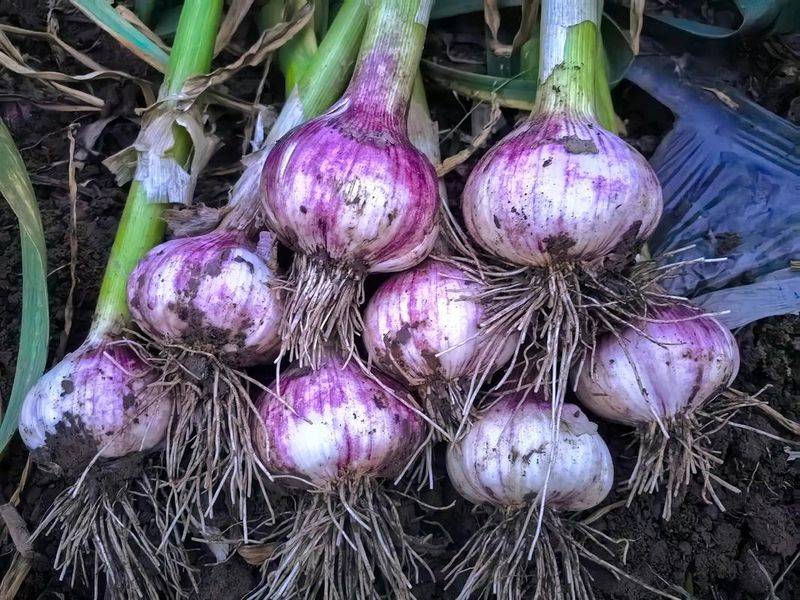
Garlic preference for loose, fertile, organically rich, ventilated and easily drained soils. Before planting, the land is ploughed deep and used as base fertilizer by depraved farmers or compound fertilizers. More than 3,000-5,000 kg of decomposition organic and 50 kg of compound fertilizer per acre can be applied。
2. Choice of varieties
The growing cycle of the spring garlic is relatively short and suitable for planting some of the pre-maturized varieties, which can be harvested in the summer. A full, insect-free and insect-free garlic is chosen as a seed. The garlic is not too big or too small. The most common species of spring garlic include chau county garlic, a city garlic and tianjin tang。
Seeding
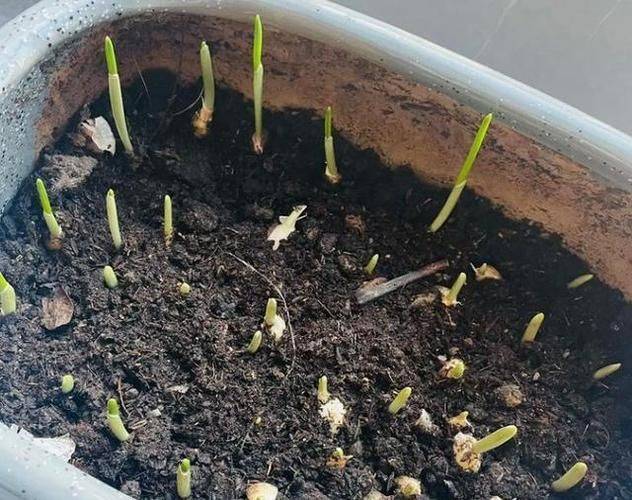
Open ditches 15-20 cm by line, deep 5-8 cm. Placing garlic in a ditch with a tipping point, at a depth of about 3-5 centimetres and with a soil of 2-3 centimetres. Seeding is followed by water and soil is kept wet. Covering the membrane can increase soil temperature, speed seedlings and promote garlic seedlings. Post-dubrand care needs to be taken for artificially assisted seedlings to prevent their covering。
Water management
During the gestation of garlic, the soil is kept humid, but water is avoided to prevent rotting roots. In the long term, water can be poured in accordance with the “dry and wet” principle. During the pumping period, water should be properly controlled to facilitate the expansion of the tubers. Before harvesting, stop watering to dry garlic。
5. Fertilizer management
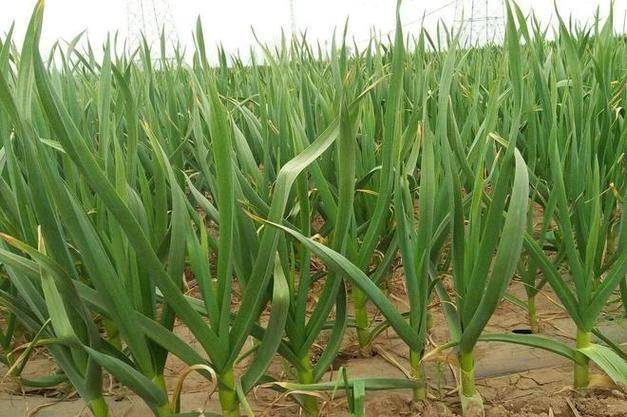
During the seedlings of garlic, fattenings such as urea can be applied. During expansion, the application of potassium phosphorus fertilizer, such as potassium sulphate, is increased. At a later stage, folates such as potassium phosphate can be sprayed to prevent premature decay。
The above is an introduction to the time and methods of planting garlic in the spring, which is usually harvested about 90-120 days after planting, when the bottom leaves of the garlic begin to turn yellow and fall。
You may be interested in the following recommendations from the first vegetables network。



