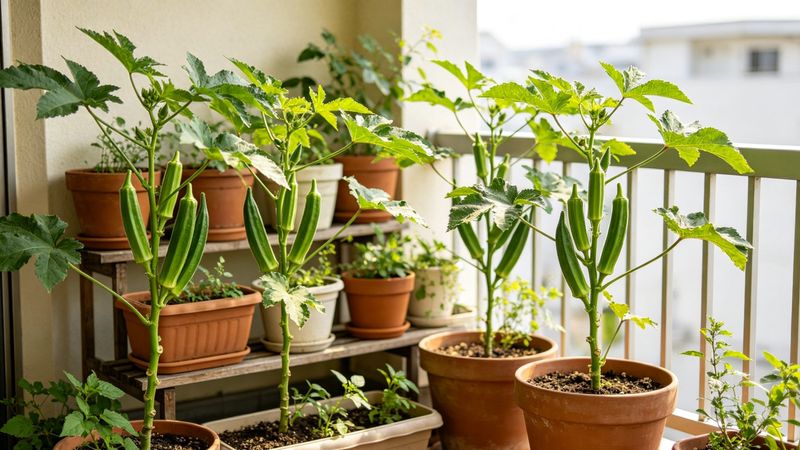
Technology and methods of growing vegetables in large sheds
The techniques and methods of growing vegetables in large sheds can be summarized as the following key steps, which can be summarized in a combination of authoritative sources:
I. Varieties selection and breeding
1. Choice of varieties
- selection of pest-resistant and adaptable varieties such as tomatoes, cucumbers, peppers, eggplants, etc., according to geographical location, seasonality and market demand。
- priority is given to short growth cycles and high-yield varieties to improve economic efficiency。
Nursery management
- maintenance of temperature and humidity (temperature 25-30°c, humidity 60-70%) using seedlings or pyrotechnics, air-skinned seeding soils or cultures。
- the seedlings are grown up to three to four leaves, and the roots are avoided。
Ii. School structure and preparation
1. Construction of sheds
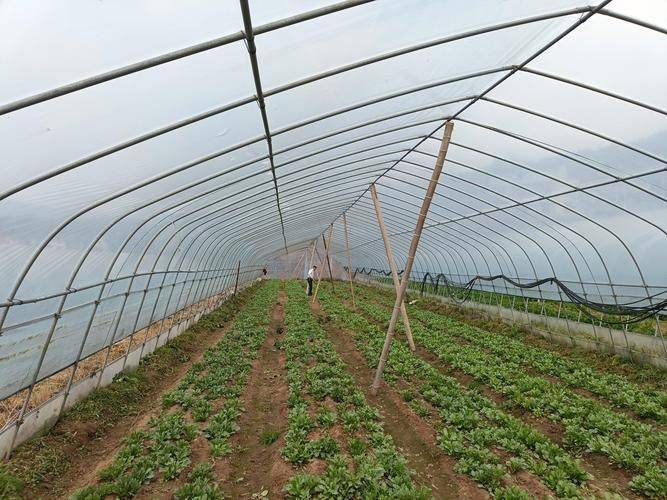
- material selection: plastic film, glass or polycarbonate plate, with light (over 80%) and temperature protection。
- installation of facilities: installation of drainage ditches, ventilation windows, sunnets and drip irrigation systems, and installation of air conditioning equipment at the top。
2. Soil improvement
- deep-turn soil to 30 cm and application of base-based fertilisation (5 tons/acre of corroded organic fertilizer with potassium nitrous phosphorus)。
- use soil disinfection (e. G. Lime nitrogen or high-temperature shacks) to reduce pests and diseases。
Iii. Environmental regulation
Temperature management
- temperature range: 25-30°c during the day, 15-20°c during the night; cooling by ventilation over 33°c, less than 0°c with heaters, etc。
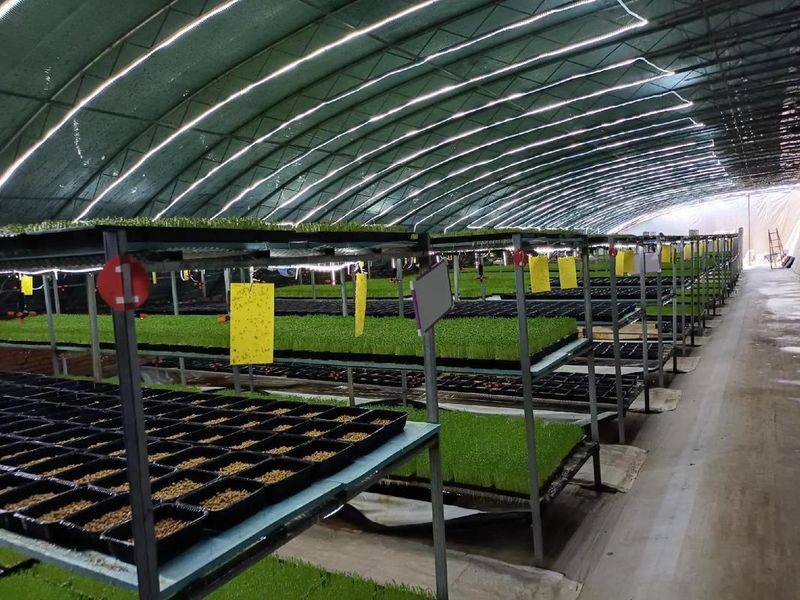
- humidity control: reduce evaporation by dripping under the membrane, maintain humidity of 60-80 per cent and avoid leaf foliage。
2. Light and ventilation
- cleaning of the balms on a daily basis and, if necessary, enhancing the light with light recharge lamps, such as led plant lamps。
- ventilation after 10 a. M. In the middle of the day, to adjust the size of the vent in order to avoid sudden changes in temperature and humidity。
Water fertilizers and pest control
1. Fertilizer management
- the application of the principle of “minority multiples” in combining drip irrigation systems to balance potassium nitrogen phosphorus fertilizer and to increase the application of potassium fertilizer during flowering results。
- additional carbon dioxide (e. G., burning of propane) for increased photocooperative use。
2. Pest management
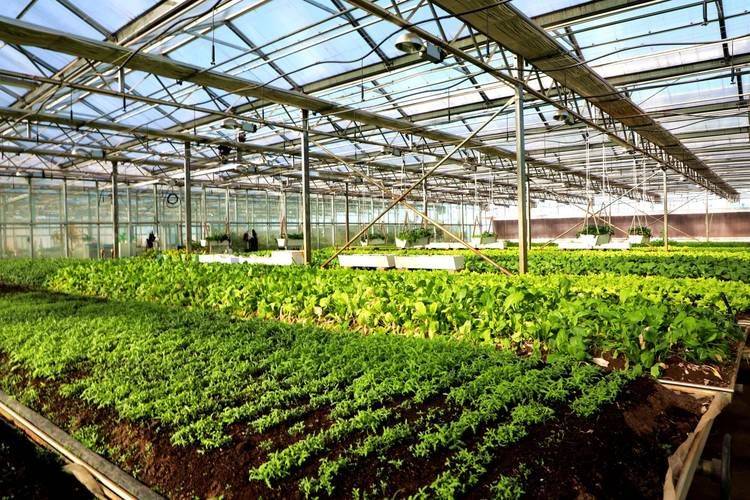
- prevention is predominant: rotational slings, insecticide-treated nets, yellowboard decoys。
- chemical control: priority is given to the use of biological pesticides (e. G., bacillus suyun) to avoid highly toxic agents。
Collection and rotation
- timely harvesting: timely harvesting based on the maturity of the vegetables, avoiding over-precision of quality。
- rotation of the tillage: after the end of the season, the soil can be tumbled and tanned during the summer, or green fertilizers (e. G. Thorium) can recover。
Attention
- to avoid over-enrichment leading to poor ventilation and to rationalize the cutting of leaves and sick leaves。
- periodic monitoring of soil ec and ph to prevent salinization (recommendation ec<1. 5 ms/cm)。