


After the fall, he went with his classmates to his family's mouth (the “mouth” is called the yellow canal, which is geographically referred to as the “spring” and refers to the apparent lows of saddles in the narrow areas between the two hills or on the ridge. In the past, the choi family's mouth was the nearest road to huangzhou city, where there was an old road on the hill, where it was made for sour dates。
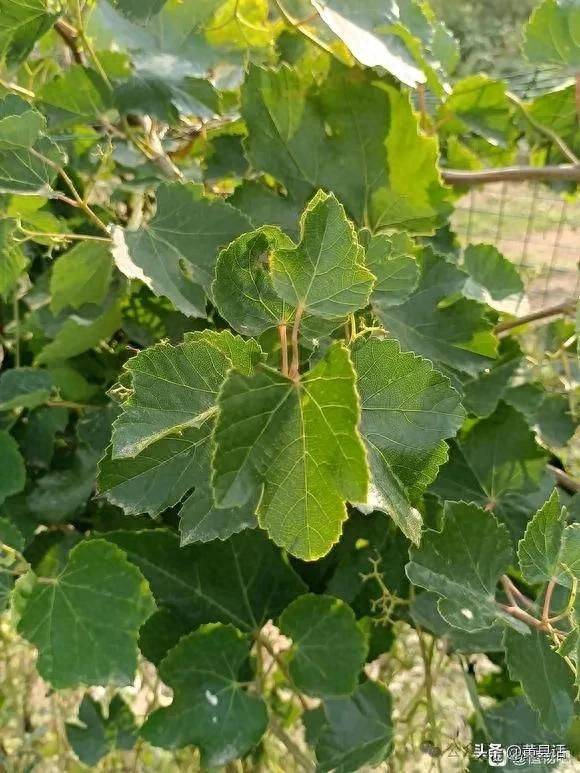
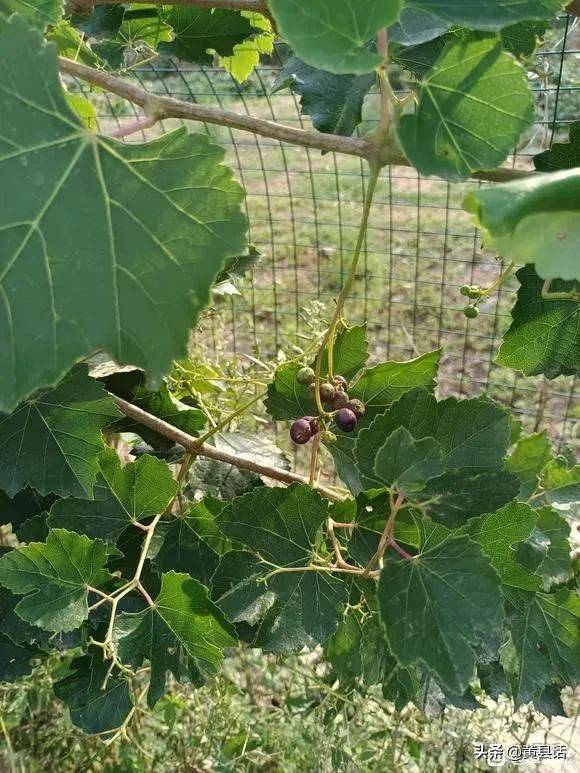
At the end of the hill, there was a shed with farm tools on the side of the road, surrounded by barbed wire fences, crawling with vines and a few purple blue berries. It looks like a mountain grape, but it looks like it's thicker leaves, it's broken teeth, it's not like grapes, but it's kind of like holly. So i took a few pictures and saved them。
These days, they went to work to find photos to study. The form of its leaves, fruit and vines shall be a wild seed of grapes or near grapes. When the plant was found, its identity was quickly determined: snake grapes, which belonged to the forested vine plant. The twigs have hair, and the rolls are split. Leaf thick paper, broad egg shape, three shallow cracks or full edges at the top, thick sawn teeth at the edge, deep green at the top and light green at the bottom. The flower is yellow and green, and its bouquets (which grow out of the fruit pore) are dichotomous chute sequences, characterized by the flowering of the lumber at the top of the axle and the subsequent growth of two relative or near-relative axes at its bottom, which bloom in the same way。
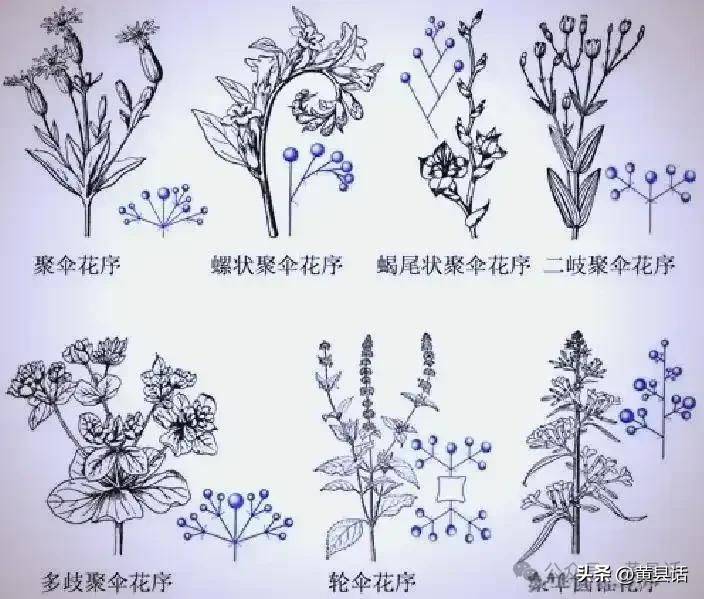
Holly is the chorus of the dichotomy, while the chrysanthemumberry is the chord of the dichotomy, the two chords of the same chord. And the grapes are conical, the largest difference between the two. The berries of snake grapes, ripe blue and black, are sort of like the fruit of the america crawling tiger. It's called a snake grape because its fruit looks like a snake's eye. There are also people who want to say that snake grapes have been crawled by snakes and that they are too toxic to eat. In fact, the fruit of snake grapes is edible, it's just sour, it's sweet when it's ripe. Snake grapes have a bad taste, but they contain abundant proteins, vitamins, carrots and a variety of trace elements, which can be made into drinks or used to make alcohol. The vines of snake grapes can be drugged with the effect of heating, lewdness, bleeding, detoxification, treatment of kidney edema, bad urine, rheumatism, bruises, swollenness, etc. Its roots can also be drugged with thermal detoxification, hysterectomy, active blood dissipation, treatment of pulmonary larvae, damage to the body, haematosis, etc. When the roots of snake grapes are dug out, they are used to make wine or stew, which can serve as a therapeutic diet for desorbing and dehumidizing the wind。
Snake grapes are mostly born on the slopes of the hilly hills, on the edge of the hills or in the shrouds, on the edges of the forest, and are radiant, cold, drought-resistant, infertile, extremely adaptive to the climate, less demanding to the soil, and can be grown on hills and desolate slopes, which can be used for mountain greening. It can also be used to green the city's stereo, to build sheds or fences or to climb on ancient trees。
We did not eat the fruit of the snake grapes, but we did eat the grapes of the mountains. In the mountains of the south of yellow county, mountain grapes are not very common, but are sewn with stones。
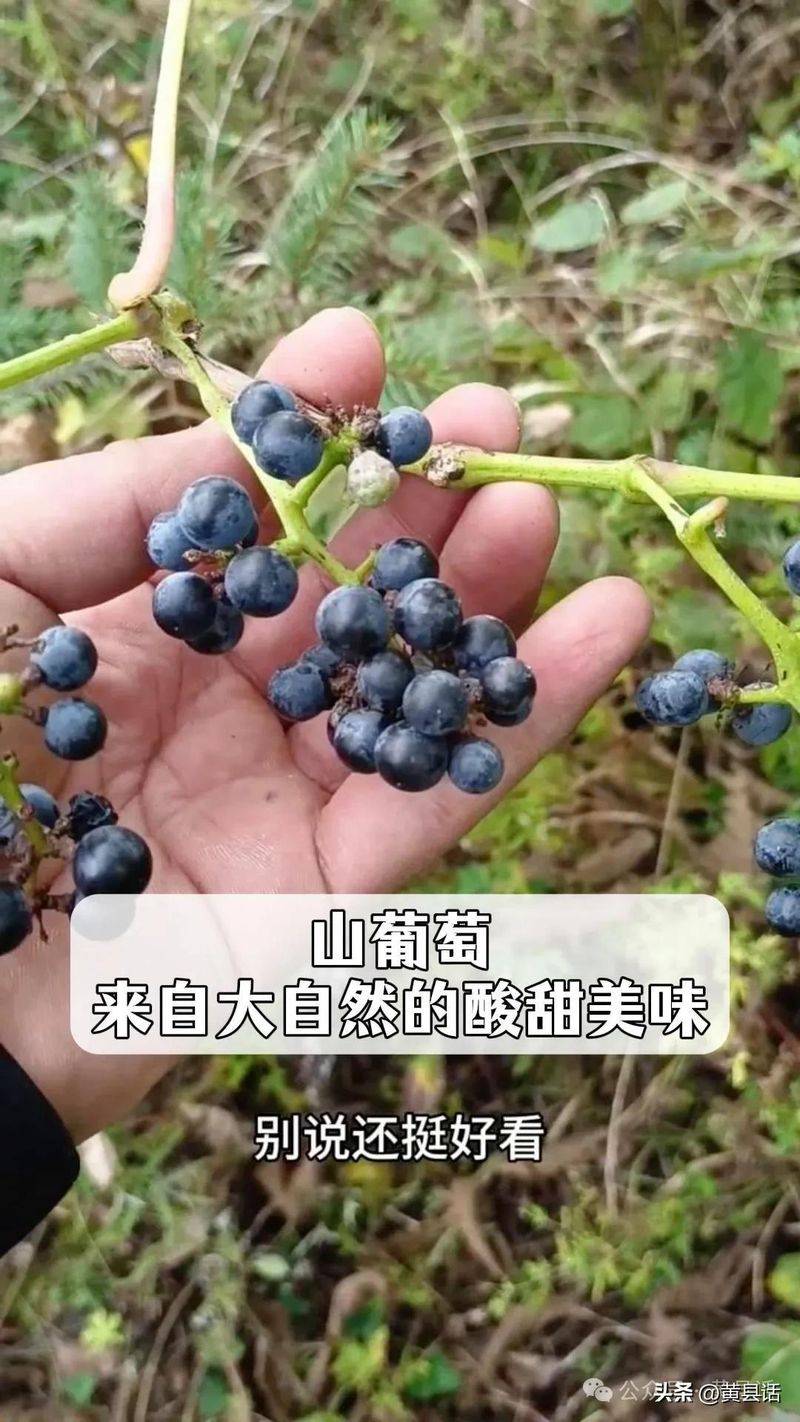
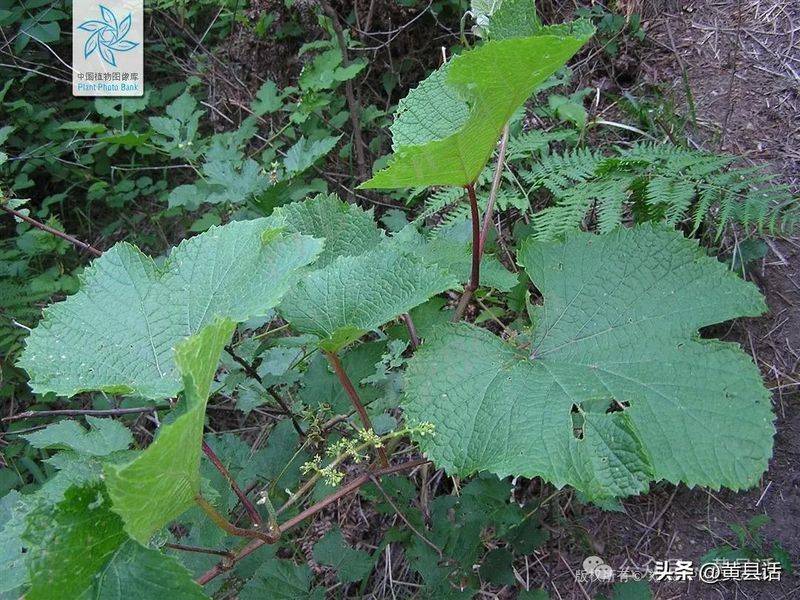
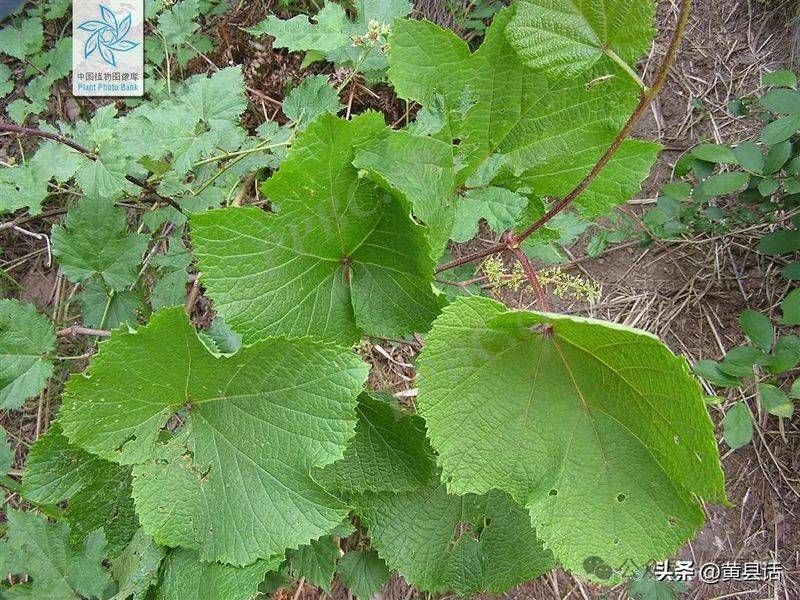
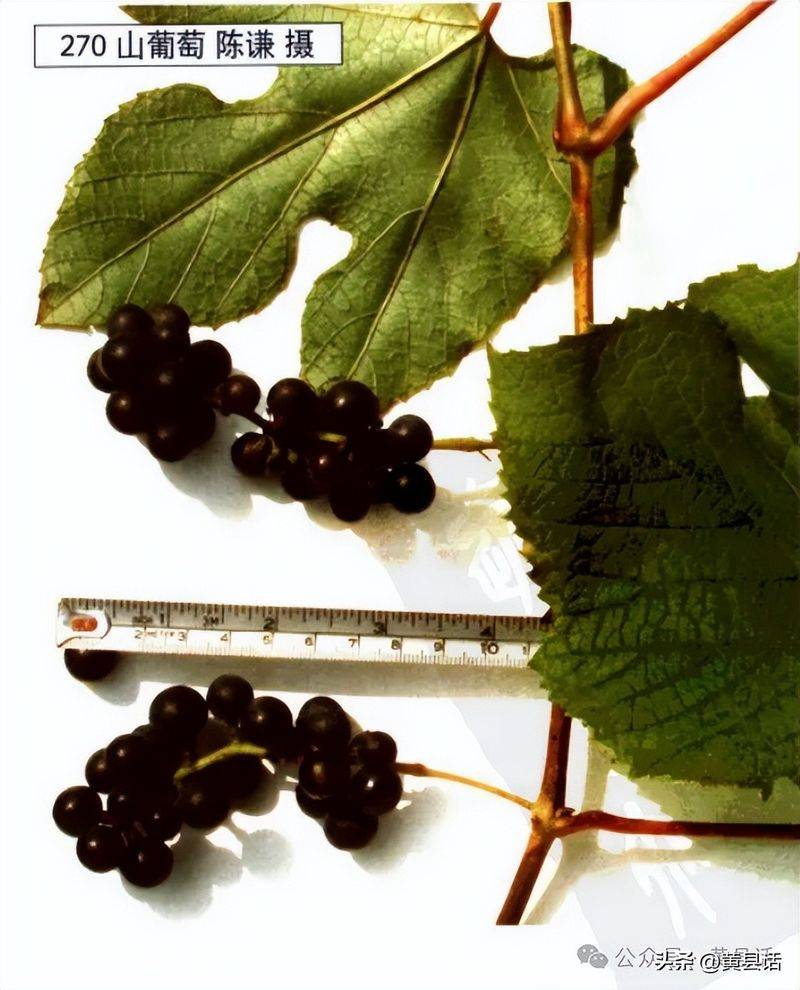
A year later, i went up to the mountains with my little partner, and i found a mountain grape next to a rock, and the grapes that i planted in the house were concrete and small, but it was not very different, because grapes were small, similar to soybeans, purple black. It was almost winter, and there was a lot of sugar in the grapes, and they were not as sour as they thought。

In addition to raw food, it is mainly for brewing wine, and it is recalled that it was previously seen in shops. It became clear from the survey that the mountain grapes, mainly in the provinces of black, gil and liao, are the most resistant of grapes and the most used and important wild resource in grape breeding and are important protégés in combating cold breeding. In the north, if grape varieties are cold-resistant, winter without temperature protection can reduce many management costs and can be planted where grapes would otherwise not be suitable, and the taste of wine can be different。
The hand was looking at mingju, "save the wastegrass", with the phrase, "in the wild, tow the chicken." the leaves are small and small, and the flowers are broken, and the front leaves are thin, and the leaves of the staves are sprouted with silver and brown, and they are grown as peas, green and ripe. Sweet leaves. Famished: fertilized, immersed, purified, oiled. Healing: the legend of the present is that it's swollen."
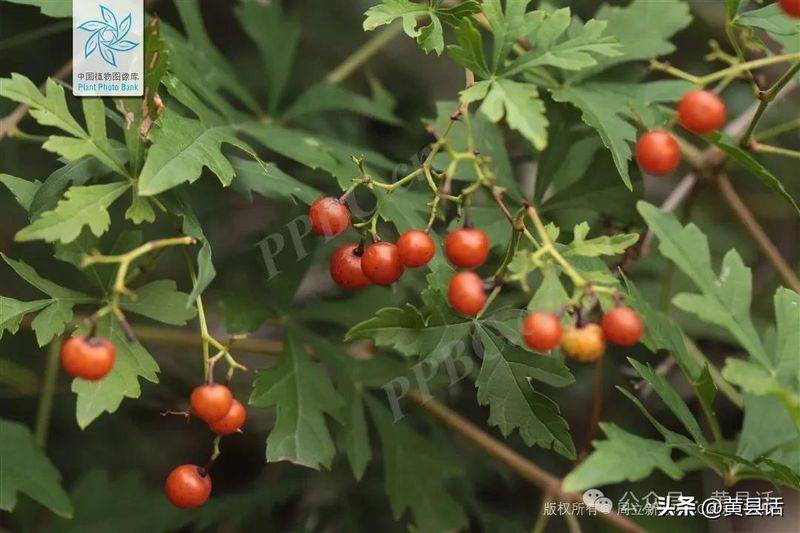
According to its description, this should be the rag-head snake grapes, also known as “grass and grass”. The leaves are of the palms of the five, the leaves of the three to five feathers, and the pins. Berries ball, orange when ripe. The combination of leaves, the shape and colour of the fruit, and the gravy of the snake are the most compatible。
It's called "the wild grapes". In the wilderness, there is now. The leaves are like grapes, but they're small. It's so thin and sour. Save the hunger: a grape picker eats, and drinks it.” grapes are called wild grapes of many species, and when collected in the wild, people are usually not broken down, and can feed and make wine。
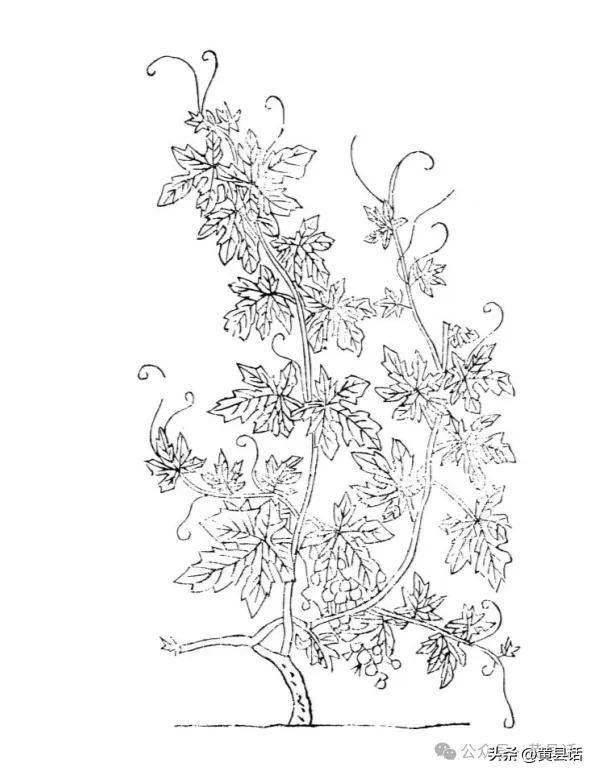
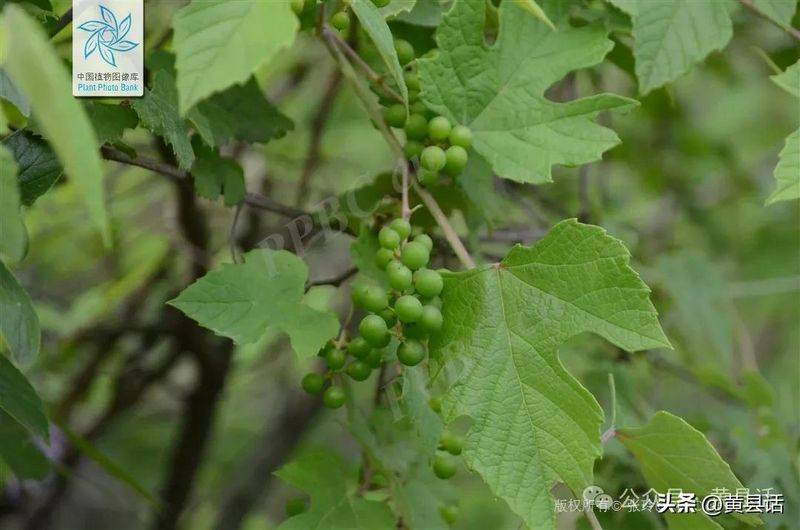
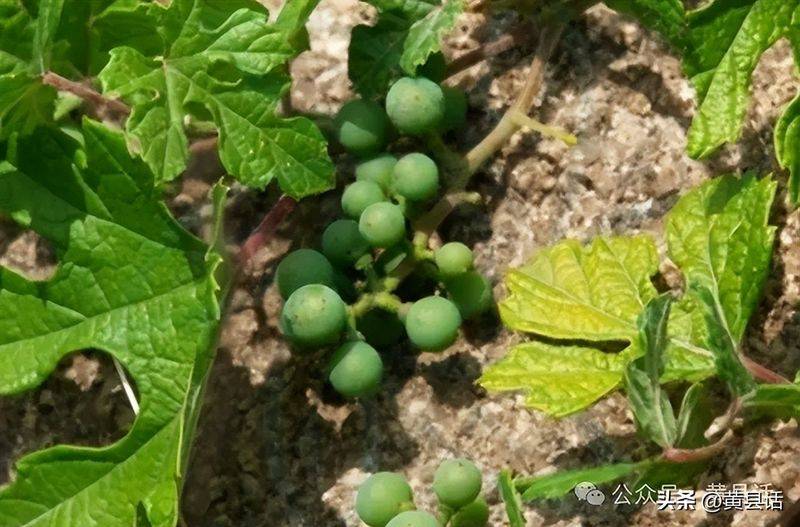
From the book, it appears to be “yberngy”, grapes are wild woody vines, leaves with ovaries, leaves with 3,5 deep or shallow cracks, rare mixed with non-fragmented leaves, and rough sawn teeth on the edges. Psalms, winds, july: “june is a month of depression, july is a month of sunflowers, and july is a month of lumber.” chrysotile berries are black, waxed, and fruit can be brewed in addition to raw food。
They are the wild species of our native grapes and have been eaten since the time of the episode. The grape zhang zhang brought back from the west was a european-asian grape that originated in western asia and was then widely grown around the world. After more than 2,000 years of wind and earthing and artificial breeding, these introduced varieties formed a “chinese stock” of so-called european-asian grapes (the northern chinese population)
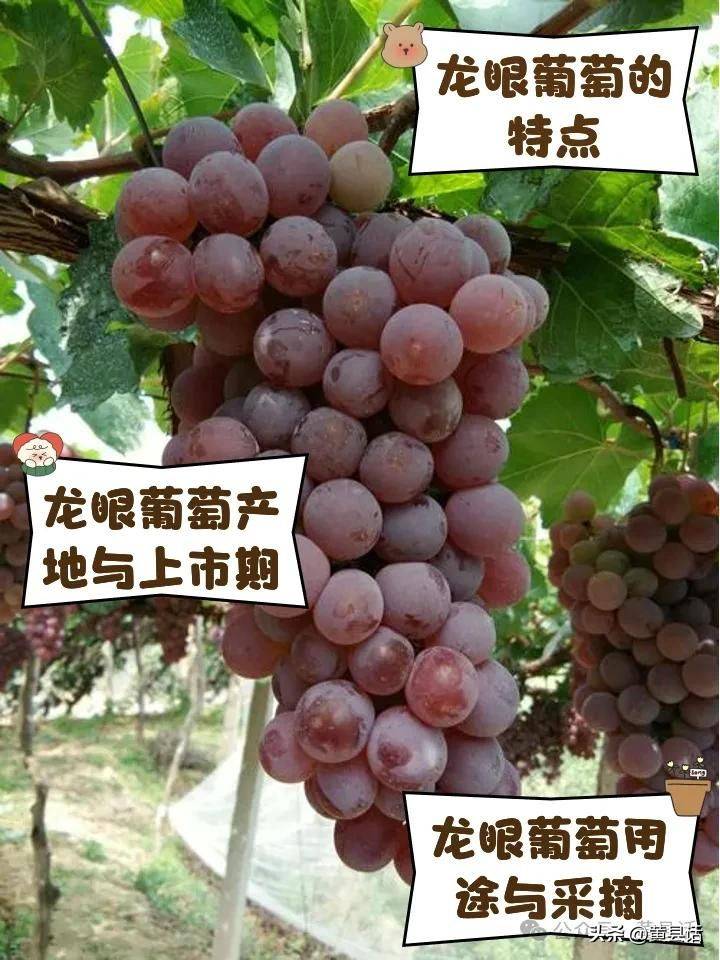
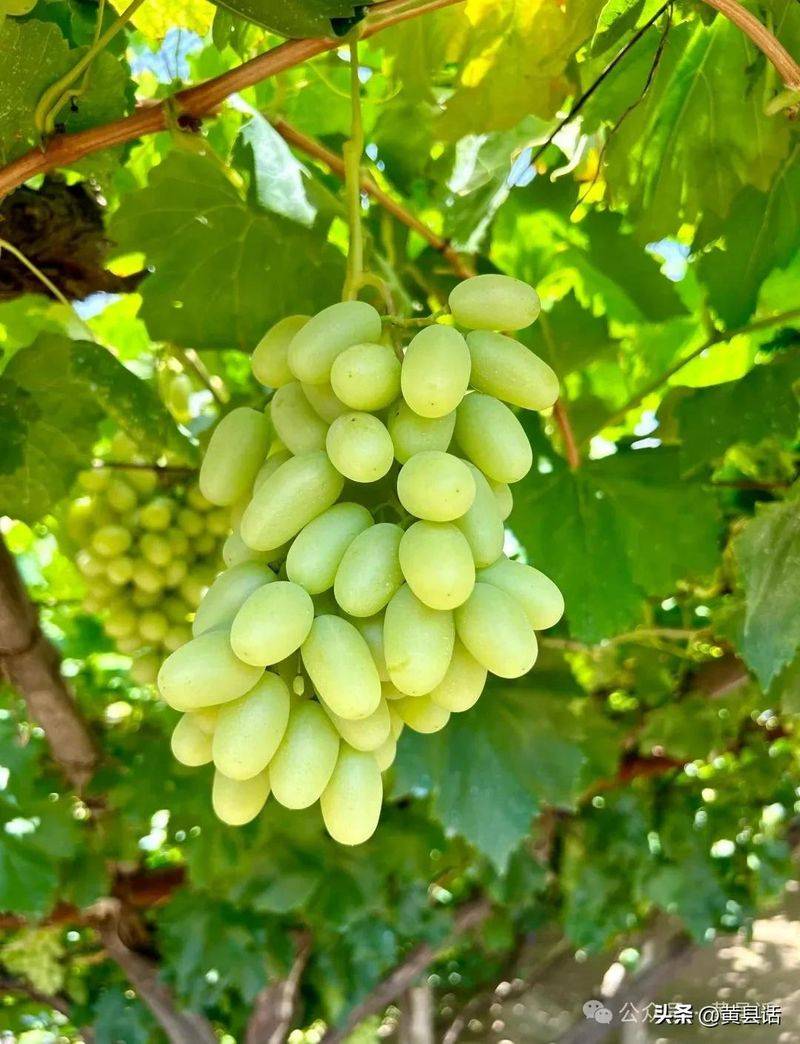
Our familiar old species of dragon eyes and milk grapes belong to this species。
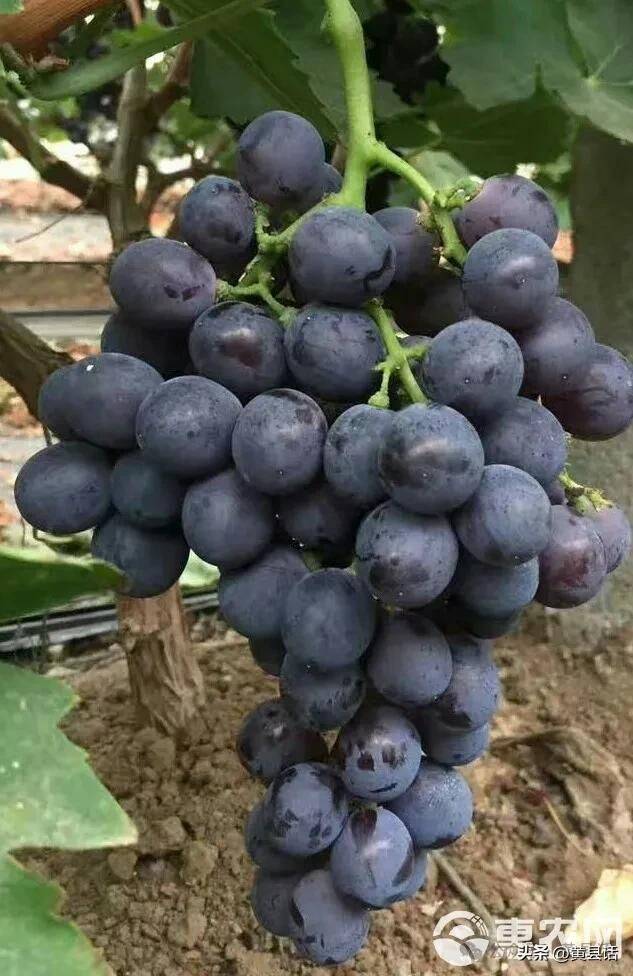
The rose fragrance also belongs to the eurasia grapes, but it is of british origin and was introduced in 1871 and 1892。

Later on, the pristine grapes introduced from japan were mixed varieties of european and american grapes。
Although snake grapes and wild grapes, whether of taste or size, are far from growing grapes, they are also precious ecological resources that can increase biodiversity and make our world less monolithic; they are resilient and have strong roots that can be used for ecological restoration projects, such as mine reclamation, and for the greening of mountains and soil conservation。
Some of the pictures are taken from the internet and copyrighted by the original author



