


Summary of seedlings: seeds need to be treated with hot water in bubbles, field planting takes place between mid-april and early june, and hot seedlings take place at the end of march or early april. Reasonable planting: 450-500 plants per acre. Reasonable fertilization: the principles of light and hard work are observed. Increased seating rate: increased seating rate through whole-stamping, chicken pressure, chicken trimming, artificially assisted pollination, pickling, guacamole, use of hormones, etc。
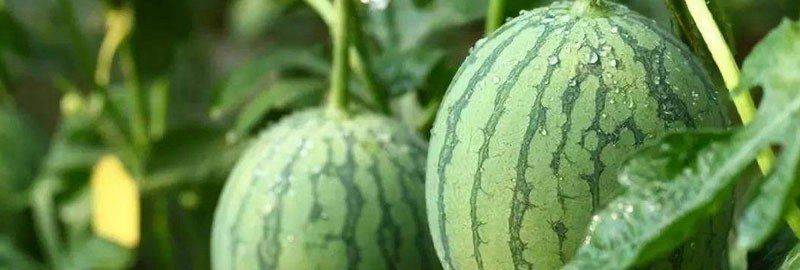
I. Stimulation
1. Sowing period
(1) in the case of open seeding, the choice of planting may be between mid-april and early june, depending on the supply period。
(2) if the seedling is kept warm, seeding may take place at the end of march or the beginning of april, depending on the early supply。
2. Usage
Seeds per acre can be used in the range of 1 - 1. 5 taels, but due to the size and weight of the hybrid watermelon, around 2 - 2. 5 taels per acre。
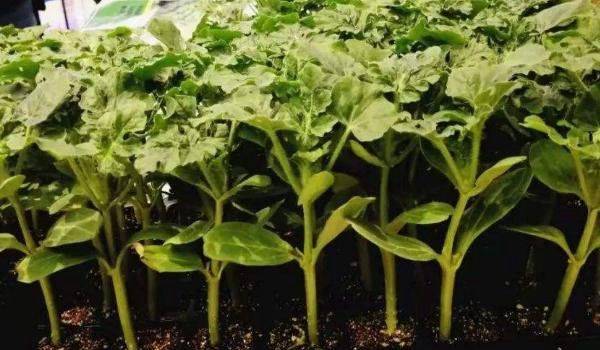
Three, leaching seed
(1) the water temperature is reduced to about 30°c with a warm water immersion seed of around 50°c for 15-20 minutes and then reduced to about 30°c with an appropriate temperature before immersion for 2-3 hours until the water is naturally cooled。
(2) plantation after immersion will be packed in small bags, washed and dried with fresh water。
(3) after drying, mix seeds and fine river sands in equal quantities, and wrap them in cloths to spread the sprouts。
(4) the temperature suitable for seedlings is around 30-35°c, which is typically sprung by incubators or stoves。
(5) after approximately 48 years of age, all success will be achieved。
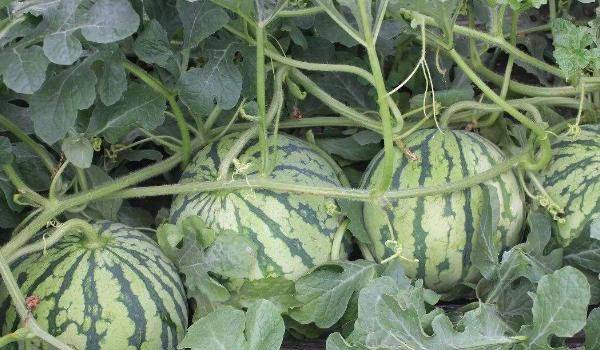
4. Field planting
(1) when watermelon sprouts grow by 1-2 cm, seeding is possible。
(2) when seeding, two to three particles per den, the sprouts should be planted downward。
(3) the seeding is followed by dust, which is approximately 2-3 cm thick and is immediately watered。
(4) the frequency of watering shall be determined by weather and once in two to three days if it meets the weather。
(5) when seedlings grow to 2-3 leafs after seeding, double strains need to be removed and the need for seedlings needs to be filled in a timely manner。
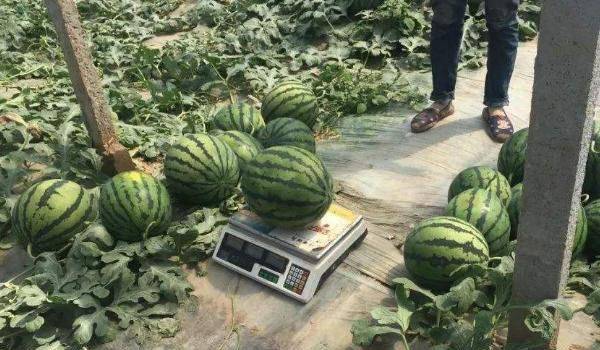
5. Preserve the baby
(1) when watermelon seedlings appear, attention is paid to the ventilation and light of the nursery。
(2) attention must also be paid to regulating the temperature and humidity of the environment as a whole, as well as to the prevention and treatment of diseases such as sudden fallout, anthrax, standing dead, etc。
(3) when the seedling grows to one centrifugal or one locomotive, and the external temperature stabilizes at 15°c, it can be transferred to daejeon。
Ii. Corrective secretariat
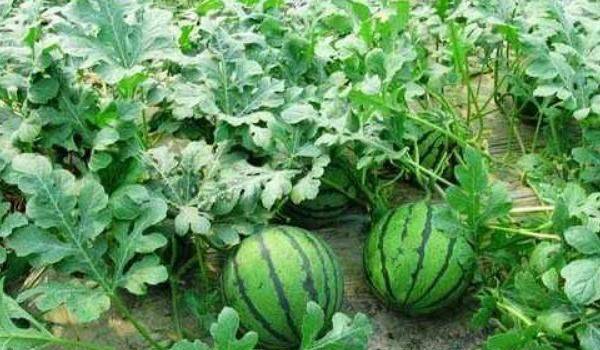
1. Watermelon cultivation density is directly related to species and soil fertility, with about 450-500 plants per acre。
After planting, chinese farming, pine fields and weed removal are carried out simultaneously, with around two to three times required for the cultivation。
Iii. Rational fertilization
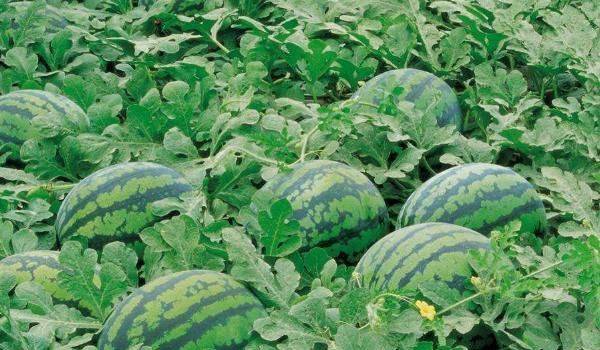
The pursuit of fat is carried out in accordance with the principles of light and hard work。
1. Fattening: fertilizer can start at a time when the melon is sturdy, and human and animal manure can be applied every 10-15 days or so, and some urea can be mixed, with about 15-20 pounds of human and animal manure and 3-5 pounds of urea per acre。
Ii. Fatten: 100 - 200 pounds of corrosive bread per acre and 10 - 20 pounds of human and animal fat as the seedling grows to 5 - 6 leaves。
3. Nuts and fertilizers: 100 to 200 pounds of cake per acre and 10 to 20 loads of human and animal fat as the watermelon grows to the size of the eggs。
Head fertilization: when the watermelon grows to the size of the bowl, urea is 15-20 pounds per acre and potassium is 5-8 pounds。
5 and fertilizers: 20 to 25 pounds of urea per acre to prevent the early decay of seedlings and to provide nutrients for the second and third batches of watermelon after the first watermelon harvests。
Iii. Improved seating rate
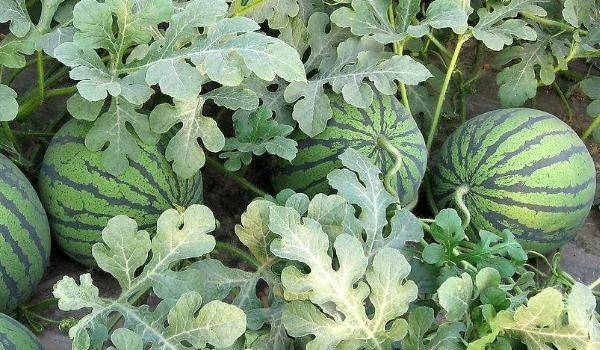
It is possible to increase the rate of seat-bearing fruit using whole-stealing, chicken pressure, chicken trimming, artificially assisted pollination, pickling, sequestering and hormonal use。



