


Our city experienced extreme weather conditions below -10°c for a long time in the winter and spring, resulting in massive freezing to death. Most of the aroma north of our river is this way。
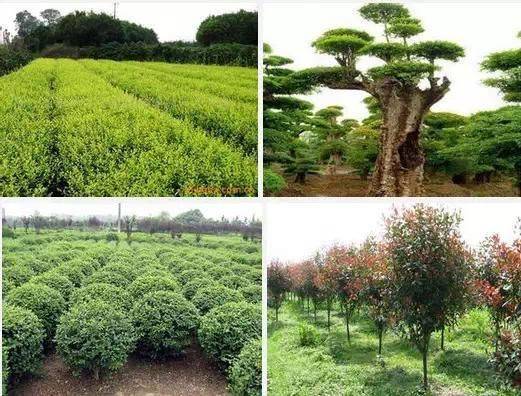
The scavengers are the green wood of the sheaths up to 30 metres high, with wide canopy and thick leaves, excellent landscape trees, sidewalk trees and precious wood trees, and birds to attract bird trees. They are warm and wet, less cold, more humid and less dry, infertile and saline. The vanilla is growing poorly in cold winters and vulnerable to freezing. The general outdoor temperature is below 5°c and the tree is frozen or even dead. Due to the fact that the root of the vanilla is well developed and remains intact even though it is partially frozen on the ground, it is recommended that care be done immediately to facilitate its re-emergence。
1. If the cold is lighter, the dead leaves will be removed from needless nutrient consumption; at the same time, the dead branches will be trimmed softly, especially those that have already begun to crack on their surfaces, and the frozen branches will be trimmed to fresh parts of health because only there is the capacity to develop new branches and leaves. For cuttings greater than 3 cm, the wound healing agent (also known as morbid ointment, plastering of plant wounds) is used to reduce water loss。
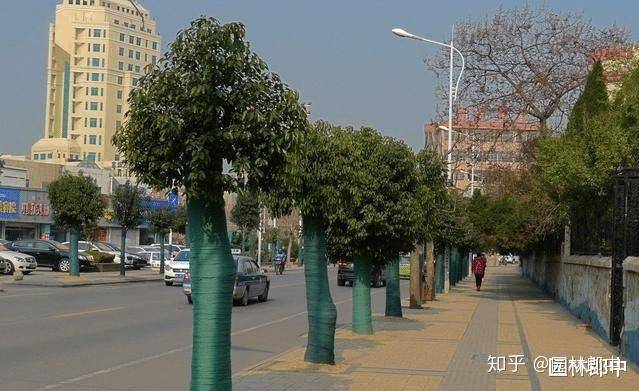
2. When the freezing is more severe, the main branch of the frozen tree is forcefully trimmed and even the side branch is completely removed, and the wound is coated with a wound healing agent to reduce the loss of moisture. In the future, strong branches are selected from the newly emerging branches in order to rebuild the tree type。
3. When temperature rises and stabilizes at 10°c or above, the application of tree nutrients (also known as tree activation fluids, bag fluids, etc.) promotes new branches of trees, new leaves, etc.; at the same time, the application of organic or strong roots, etc., promotes the growth of roots and provides more nutrition to the trunks。
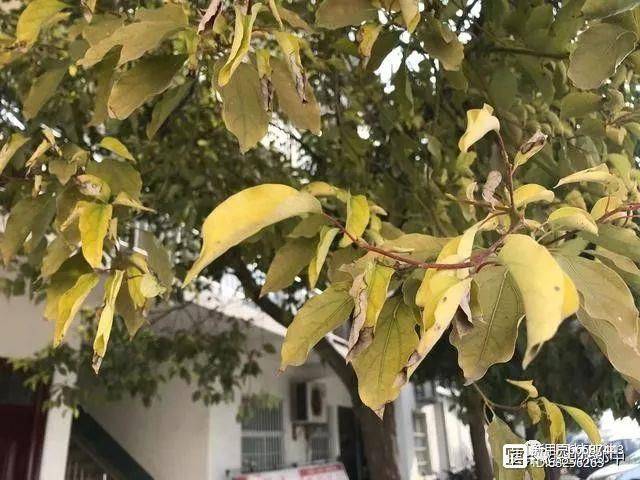
4. In the context of greening, attention is to be paid to the characteristics of scavengers and winter northern winds: firstly, the selection of a source of wood that has been domesticated in the north; secondly, the small climate of north-to-south cover for scavengers, i. E. Planted on the south side of buildings or high walls; thirdly, wind protection before temperature forecasts are lower than 5°c (low temperatures) (covered with two layers of plastic sheeting) and, when temperature forecasts are lower than -10°c (low temperatures), full tree cover to intercept ice and reduce damage to trees。



