


Summer festival
The embroidery in shin city park attracts many tourists
It's like a romantic flower. Hey
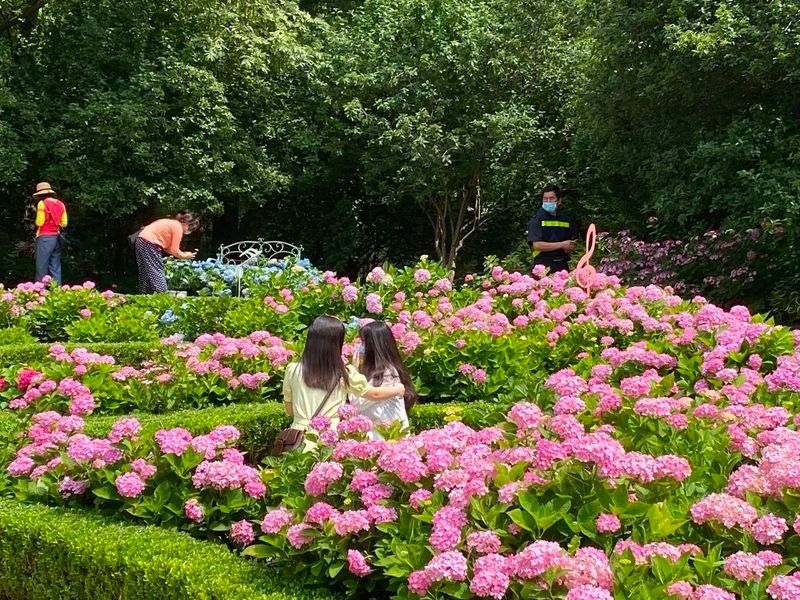
The embroidery ball is well-dispersed in an environment that allows the embroidered tubing to be thicker and more flowery in the coming year, but direct exposure to high-temperature light in the summer can lead to leaf tans and focal edges requiring proper shade treatment. A small number of conical embroidery balls prefer full-light light conditions and do not bloom if the environmental light is too poor。
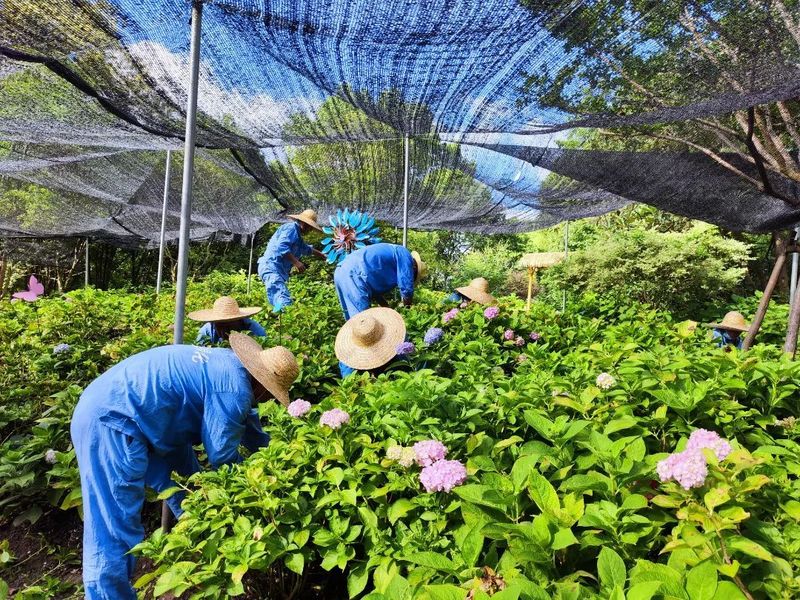
We need to refuel it in time
The large size of the embroidery ball at the time led to a significant increase in water requirements and evaporation, and a full atrophy in the bright midday full-light embroidery ball required staff to provide adequate water in the evening or morning and to avoid watering at midday. Watering the embroidery ball is required on demand, and blind watering can lead to a severe watering of the root, which can be poured directly on the soil medium of the embroidery ball and avoid being poured directly on the flowers。
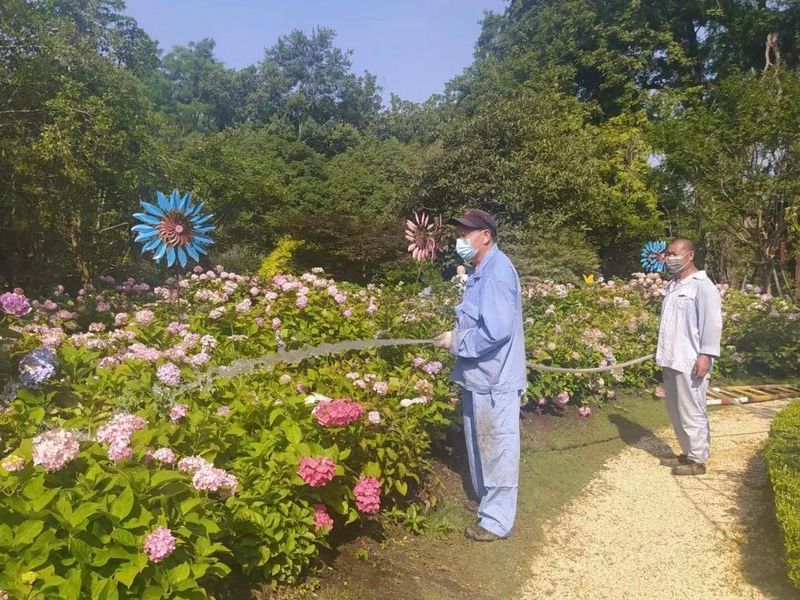
When the embroidery ball blooms in time for it to be fertilized, you can apply a small amount of mild decomposition in the soil to supplement the nutrients consumed by the flower. In the case of large flower embroidery balls, which usually take place in august-october, the bouquets are filled in time, mainly with compound fat; when they go to hibernation in winter, they can be supplemented by fully decomposed organic fertilizers to ensure nutrients for the coming year; and every 1-2 weeks after the early spring sprawl, they begin to be replenished with a milder fertilizer until the flower begins, sometimes with yellowing of the leaves, which is iron deficiency and requires a 10-day and three consecutive sulphate spray。
Watch out for embroidery
Because embroidery is adaptable, it has fewer pests. Without strong air flow, high-temperature wet seasons are prone to powdered diseases and excessive water can cause water to accumulate, leading to the decomposition of the roots of the flesh and the black ulceration of the leaves. Watering on demand requires timely application of microbicides during high-temperature wet season. In contrast, the dark red spots or focal edges that occur on the leaves of the disproportionately burning sun in the summer are not caused by the disease, and it is recommended that embroidered balls be planted in more dispersed areas to increase the amount of flowers。
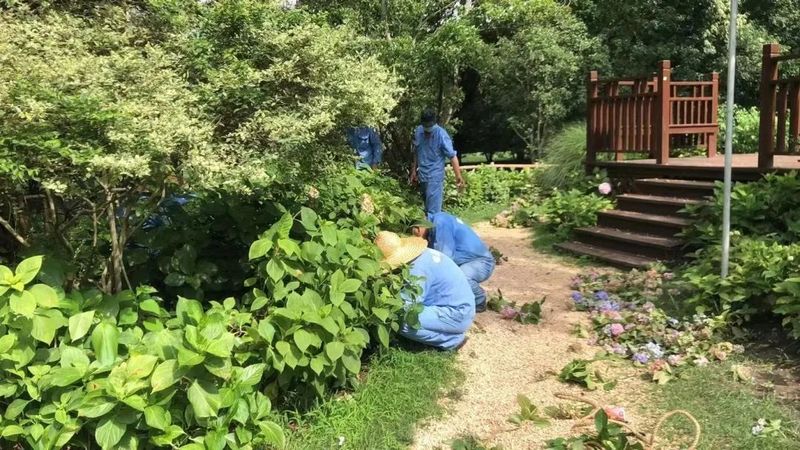
We'll do it after the flowers
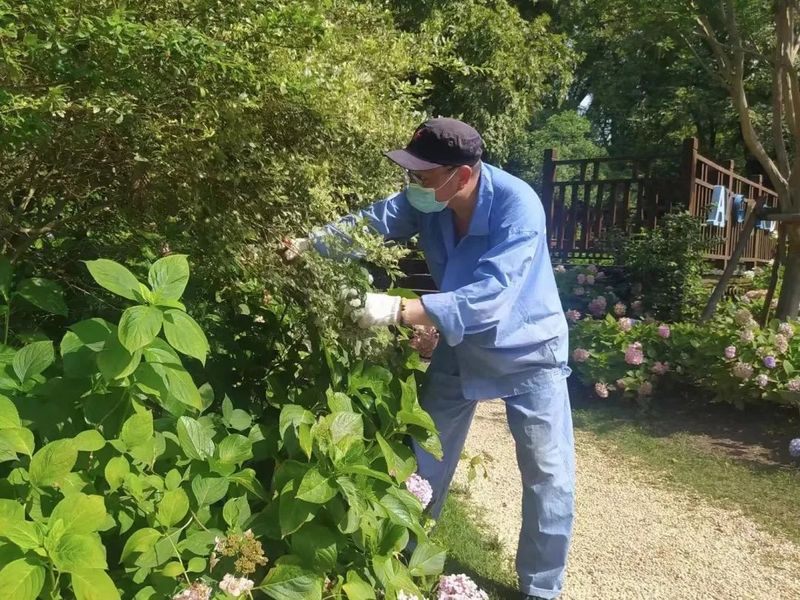
In general, the embroidery is mostly concentrated on the old branches last year, so much of the embroidery is concentrated after the flowers, usually before the end of june or early july. When trimmed, the flowers can be trimmed, while the strains can be made up, and the branches under the leaves of one to two pairs of them can be trimmed to the top of a healthy bud。
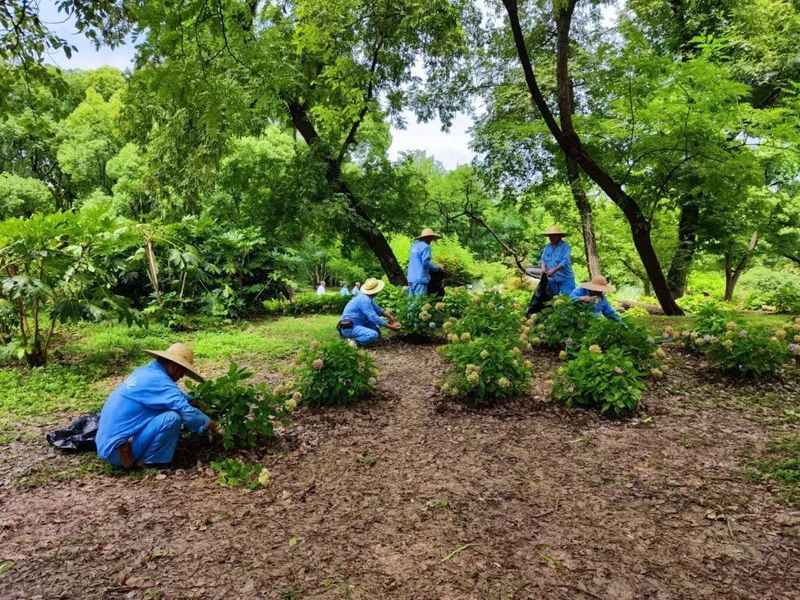
For a small, thin, part of the embroidery ball, as well as for an old branch trimmed properly, and keeping the old branch in the right place, it is necessary to maintain good light and ventilation to reduce pests and diseases. In mid-march each year, the thaws, the dead branches and the blind branches need to be trimmed。
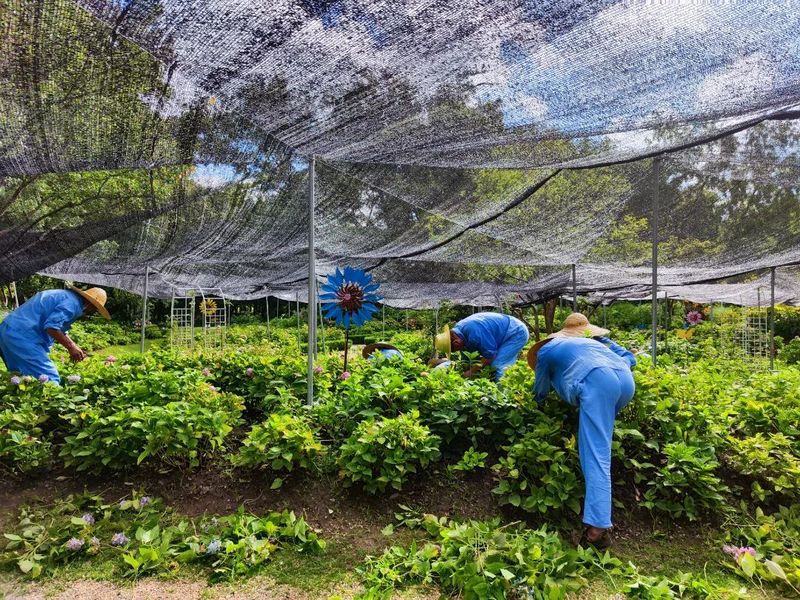
The faster the cut, the faster the plant is restored. The timing of the cut has also been refined, and it has been avoided after the fall leaves season in order not to miscut the bud and affect the flowering of the second year. The “unfinished summer” branches of large-scale embroidery balls can be flowered and the post-flower cut can be kept as close as possible to the beginning of july; cone embroidery balls are large and strong, and flowers can be found in winter and cut before spring。
We're going to do the bouquets in time
To provide favourable conditions for the coming year
What else did you find in the maintenance process



